Charity Bazaar Sells Items for $10 to Support 90 Elderly Residents
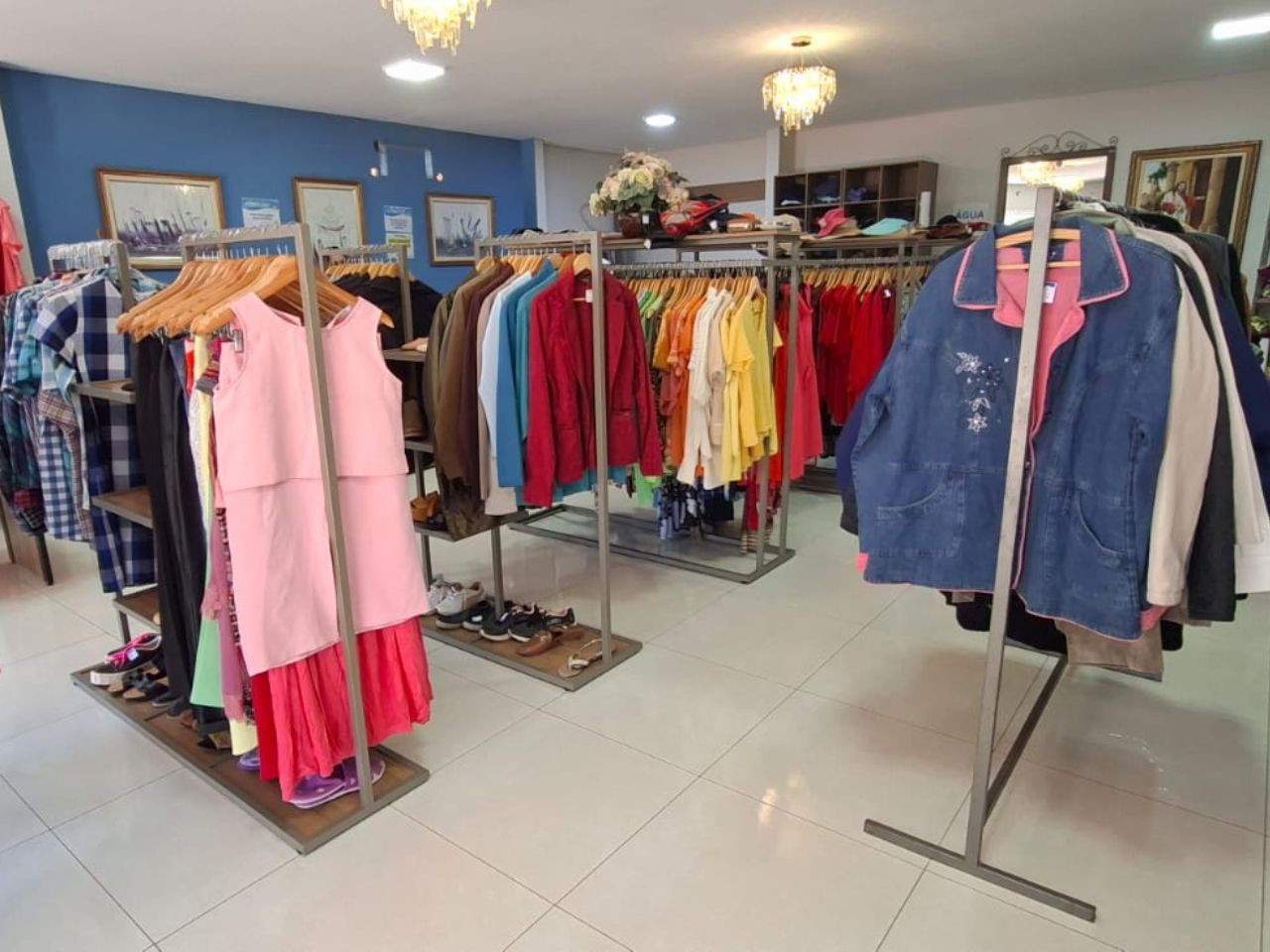
The São João Bosco Asylum in Campo Grande, Brazil, is hosting a "Saldão do Bem" (Sale of Good Deeds) charity bazaar. The event offers a wide selection of clothing, shoes, and accessories, with all items priced at a low R$10. The proceeds from this sale are crucial for the asylum's operations, specifically supporting the daily care of approximately 90 elderly residents. These items were generously donated by volunteers and have been carefully selected to ensure they are in good condition. The bazaar is a primary source of funding for the institution, helping to cover essential expenses such as food, medication, adult diapers, hygiene products, and cleaning supplies. The "Saldão do Bem" will take place on Saturday, August 8th, from 8 AM to 5 PM at the asylum, located at Avenida José Nogueira Viêira, nº 1900, in the Tiradentes neighborhood of Campo Grande. For those unable to attend the special event, the asylum also operates a permanent bazaar from Monday to Friday throughout the year. Founded on October 23, 1923, the São João Bosco Asylum provides comprehensive care, including housing, six daily meals, 24-hour caregiver support, nursing, physiotherapy, nutrition, and pedagogical activities, alongside recreational, cultural, and religious programs, offering emotional and spiritual support. Currently, public funds cover about 44% of the institution's maintenance costs, with the remaining 56% reliant on donations and fundraising initiatives like this bazaar.
This charitable initiative highlights the significant funding gap faced by non-profit elder care facilities, where public resources cover less than half of operational costs. The reliance on donations and low-cost sales events like the "Saldão do Bem" underscores the challenges of sustaining comprehensive care for vulnerable populations. Such models, while vital for immediate needs, may present long-term sustainability questions in the face of rising healthcare and living costs. Future policy discussions could explore innovative public-private partnerships or tax incentives to bolster the financial resilience of these essential institutions, ensuring consistent quality of care beyond short-term fundraising success.
AI-generated to prompt reflection — not editorial opinion, not advice, not a statement of fact. How this works.