ChatGPT for Work Launched, Raising Concerns About AI's Impact on Jobs
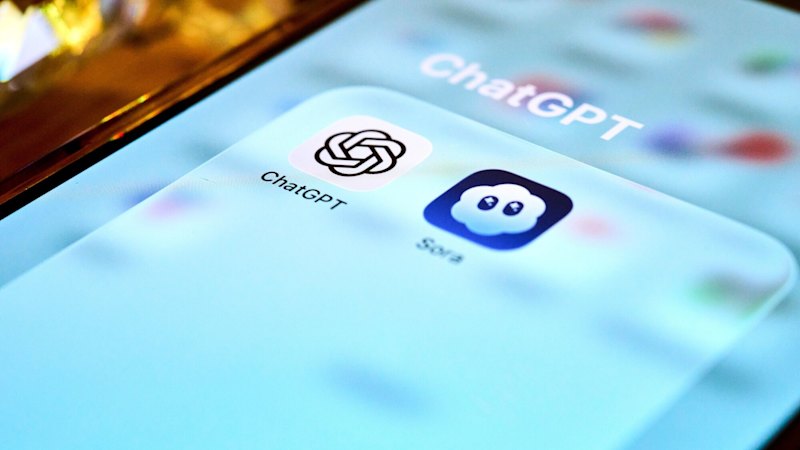
A new version of the popular AI chatbot, dubbed "ChatGPT Work," has been released, sparking fresh anxieties about artificial intelligence potentially displacing human workers. This development comes as AI technologies continue to advance rapidly, integrating into various professional environments. The introduction of ChatGPT Work suggests a move towards more sophisticated AI applications designed for business and productivity tasks. While details on its specific functionalities are scarce, the name implies it is tailored for workplace use, potentially automating or assisting with tasks previously performed by humans. The release has amplified existing fears among some individuals about the future of employment in an increasingly automated world. This new iteration is expected to further blur the lines between human and machine capabilities in the professional sphere. The implications for the job market and the skills required for future careers are becoming a significant topic of discussion.
The introduction of "ChatGPT Work" signifies a strategic expansion of AI capabilities into professional domains, aiming to enhance productivity. This development highlights the ongoing tension between technological advancement and workforce security, prompting a re-evaluation of job roles and skill requirements. As AI tools become more integrated into daily work, organizations and individuals will need to navigate the evolving landscape of human-AI collaboration. Future considerations will likely involve adapting educational systems and corporate training to equip the workforce with skills complementary to AI, rather than purely competitive. The long-term impact will depend on how effectively these tools are implemented to augment human potential and create new opportunities, rather than solely automate existing ones.
AI-generated to prompt reflection — not editorial opinion, not advice, not a statement of fact. How this works.