ChatGPT No Longer Mimics Specific Authors Upon Request
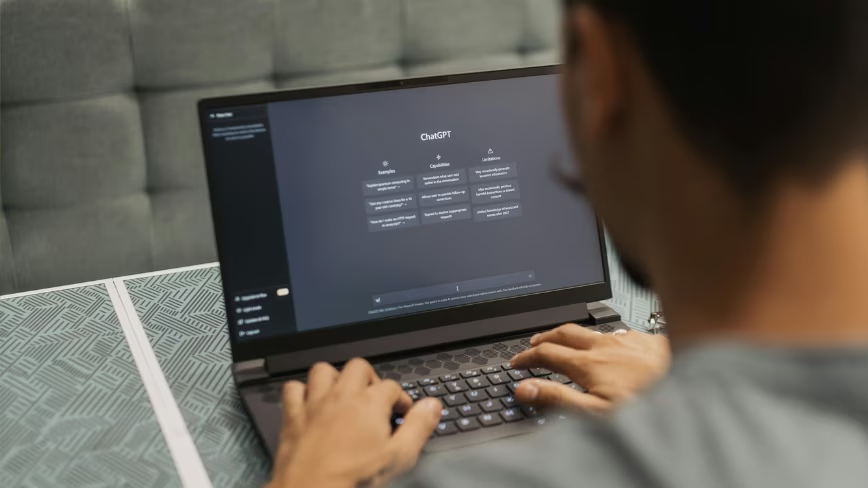
ChatGPT has reportedly ceased its ability to imitate the writing styles of specific authors when prompted. Previously, users could ask the AI to generate content in the voice of famous writers like Stephen King. However, recent tests indicate that the chatbot now declines such requests. Instead, ChatGPT offers to write in a general style that captures certain characteristics, such as "atmospheric, character-driven horror and small-town dread," while explicitly stating it will remain "its own" voice. This change in functionality was observed and reported by Ars Technica after conducting their own tests on the model. OpenAI, the developer of ChatGPT, has not publicly announced this alteration to the chatbot's capabilities. The modification suggests a shift in how the AI is programmed to handle stylistic imitation, moving away from direct authorial replication towards a more generalized approach to genre and tone.
OpenAI's modification to ChatGPT's authorial imitation capabilities reflects a strategic pivot towards managing intellectual property and brand identity. By disallowing direct mimicry of specific authors, OpenAI mitigates potential copyright infringement risks and avoids diluting its own distinct AI persona. This approach allows the model to still capture stylistic elements associated with genres or moods, thereby preserving user engagement without directly replicating copyrighted voices. This shift aligns with the broader industry trend of developing AI that is both versatile and legally defensible, ensuring long-term viability and user trust as generative AI technologies mature.
AI-generated to prompt reflection — not editorial opinion, not advice, not a statement of fact. How this works.