ChatGPT Now Refuses Direct Requests to Mimic Author Styles
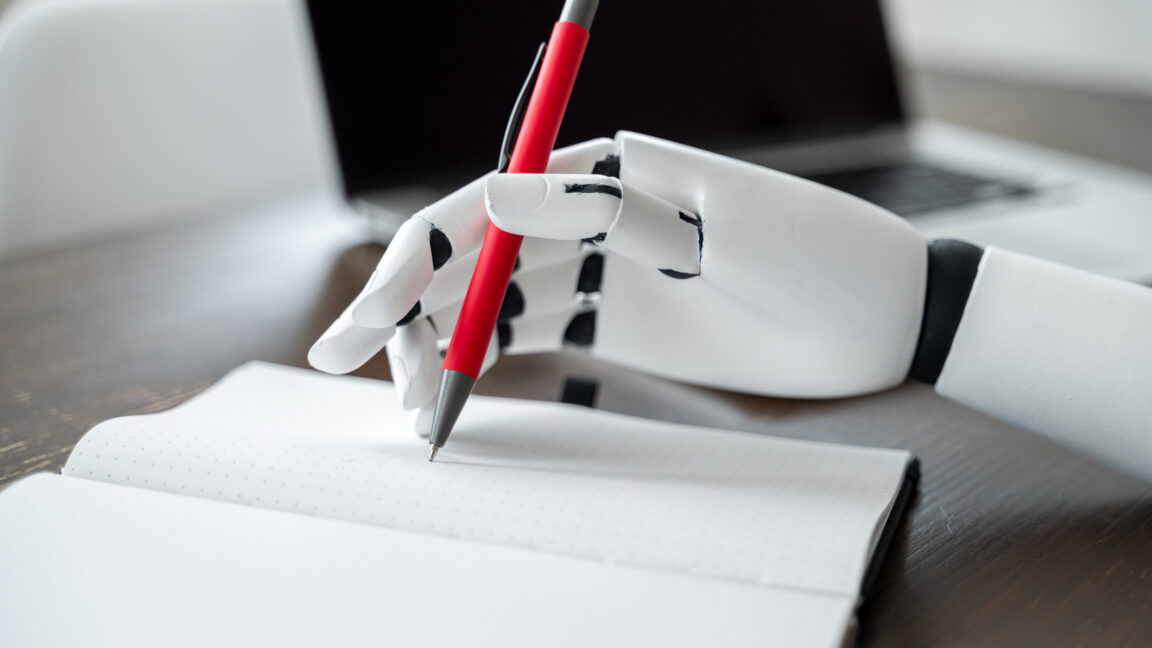
OpenAI's ChatGPT has begun refusing direct requests to imitate the writing style of specific authors. This new behavior, observed by users, involves the AI declining to copy a writer's "broad qualities." The development raises potential legal questions regarding copyright and intellectual property. Previously, users could prompt ChatGPT to write in the style of various authors, a feature that has now been restricted. The exact nature of the restriction and the criteria for refusal are not fully detailed by OpenAI. However, the shift suggests a move to address concerns about unauthorized imitation and potential infringement. This change could impact creative workflows and the way AI is used for content generation. The implications for authors and the broader creative industries are still unfolding. OpenAI has not yet released a formal statement on this specific behavioral change.
AI model developers are increasingly implementing guardrails to prevent the direct replication of copyrighted or stylistically unique human creative output. This strategic shift by ChatGPT, moving away from mimicking specific authorial styles, reflects a growing awareness of the complex legal and ethical landscape surrounding AI-generated content. By blocking direct style imitation, OpenAI appears to be proactively mitigating potential copyright infringement claims and addressing concerns about the devaluation of original creative work. This approach allows for continued AI utility in creative assistance while attempting to respect intellectual property rights. The long-term challenge lies in balancing AI's generative capabilities with the need to protect creators' livelihoods and the integrity of artistic expression in an evolving digital economy.
AI-generated to prompt reflection — not editorial opinion, not advice, not a statement of fact. How this works.