ChatGPT Voice Mode Adapts to User Speech Pace
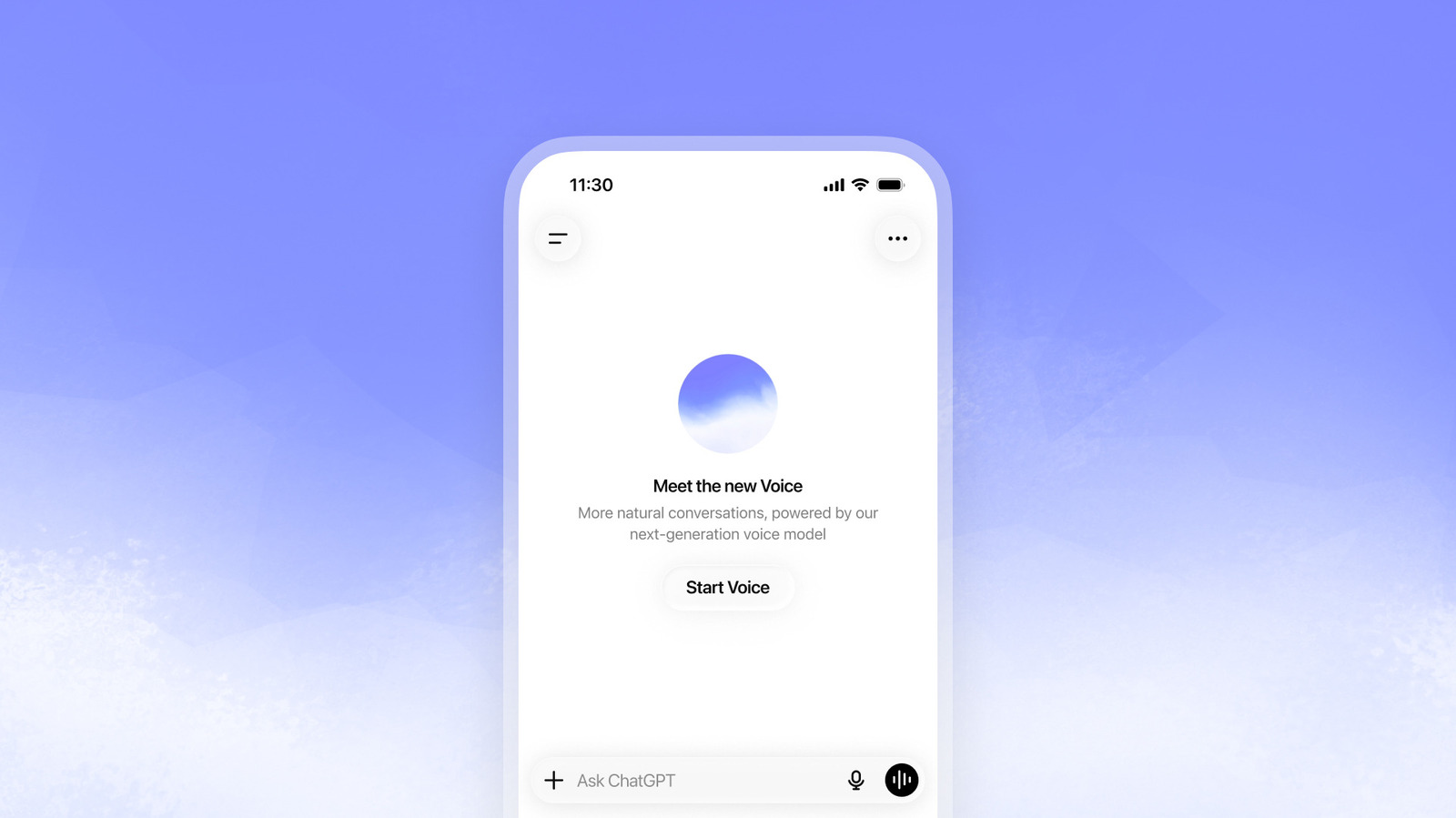
OpenAI has introduced a new voice mode for its ChatGPT chatbot that offers a more interactive and responsive user experience. This innovative feature allows the AI to acknowledge users as they speak, creating a more natural conversational flow. A key aspect of this update is its ability to adjust its speaking speed based on user requests. If a user asks ChatGPT to slow down, the AI will comply, tailoring its output to better match the user's comprehension or preference. This development signifies a step towards more personalized and adaptable AI interactions, moving beyond static text-based responses. The voice mode aims to make interacting with ChatGPT more intuitive and less demanding for users who may need more time to process information or simply prefer a slower pace of communication. This enhancement could broaden the accessibility and usability of AI assistants for a wider range of users.
The introduction of adaptive voice speed in ChatGPT represents a nuanced evolution in human-AI interaction design. By allowing the AI to modulate its output based on user cues, OpenAI is prioritizing user experience and cognitive load management. This feature acknowledges that effective communication is not solely about information transfer but also about the pace and rhythm of delivery. From a systems perspective, this adaptive capability could be a foundational element for more sophisticated AI tutors, accessibility tools, and even companions, where real-time feedback loops are crucial for engagement and learning. The challenge ahead lies in scaling such responsiveness across diverse user needs and ensuring that the AI's adaptive strategies remain transparent and controllable, fostering trust rather than dependence.
AI-generated to prompt reflection — not editorial opinion, not advice, not a statement of fact. How this works.