Cheap Fragrances and Household Products Linked to Kidney Damage
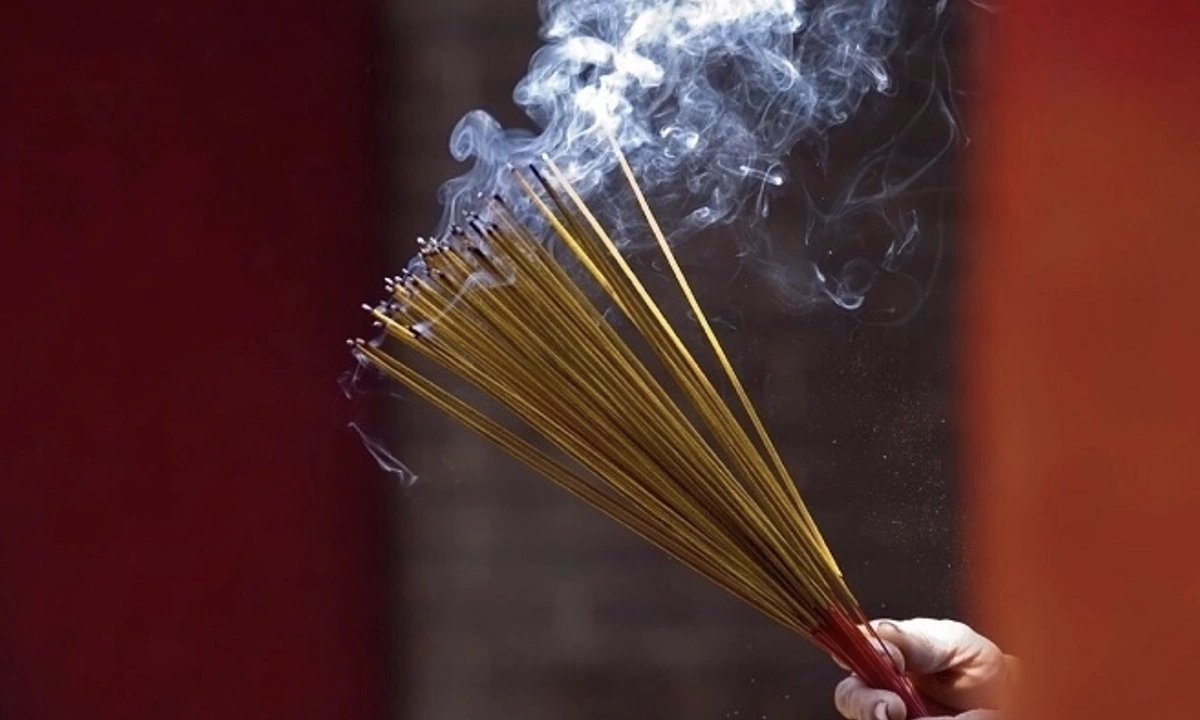
Prolonged inhalation of chemicals found in inexpensive perfumes, air fresheners, fabric softeners, incense smoke, and kitchen fumes can lead to severe kidney damage. Many individuals are exposed to these substances daily without realizing the potential harm. The cumulative effect of these airborne irritants can compromise kidney function over time. This exposure pathway highlights a significant public health concern, as these products are widely used in homes and personal care routines. Awareness of the specific chemicals and their long-term health implications is crucial for preventive measures. Further research may be needed to quantify the exact risk associated with different types and durations of exposure. Public health advisories could inform consumers about safer alternatives and best practices for ventilation. The widespread use of these scented products necessitates a closer examination of their safety profiles.
The widespread use of fragranced products, often containing volatile organic compounds (VOCs), presents a potential public health challenge. While these chemicals contribute to desirable sensory experiences, their chronic inhalation may pose risks to organ systems, including the kidneys, as suggested by the source. This situation underscores the tension between consumer product appeal and potential health externalities. Regulatory bodies and manufacturers face the ongoing task of balancing product performance and safety, particularly concerning long-term, low-level exposures that are difficult to track. Future product development may increasingly focus on bio-based or less volatile scent compounds, alongside enhanced transparency regarding ingredient lists and potential health impacts. Consumers, in turn, may benefit from greater awareness campaigns about indoor air quality and the cumulative effects of household chemical exposure.
AI-generated to prompt reflection — not editorial opinion, not advice, not a statement of fact. How this works.