Chef JPB Shares Recipe for Flavorful Chop Suey Rice
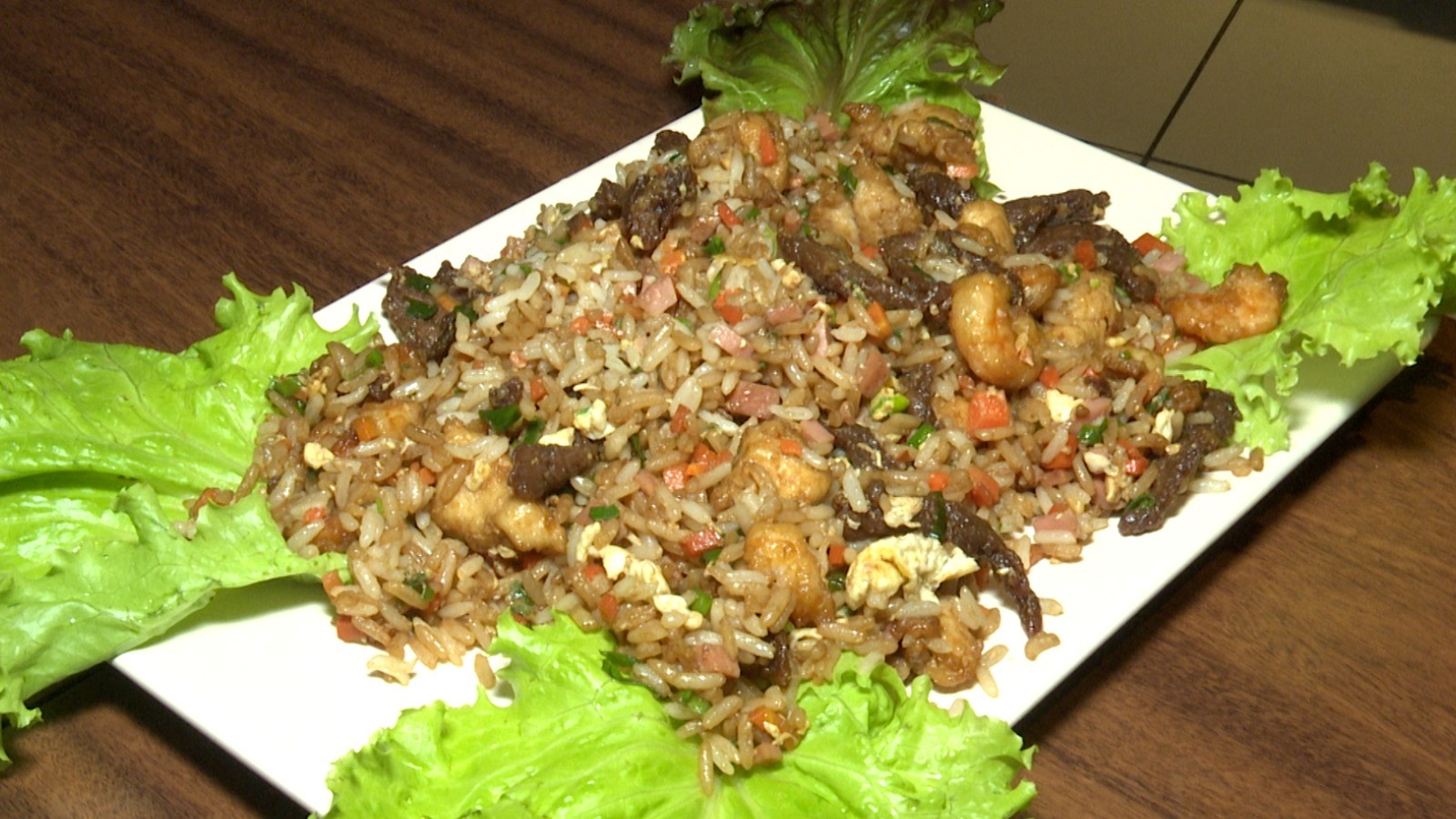
Chef João Paulo, known as JPB, demonstrated how to prepare Chop Suey rice, also called Chinese rice or yakimeshi, on Saturday, September 1st. This dish is an adapted recipe designed to utilize leftover ingredients, promoting food waste reduction. The recipe features 600g of cooked, unseasoned rice as its base. Key ingredients include one egg, 40g of diced ham, 40g of diced carrots, and 15g of chopped scallions, seasoned with salt and Ajinomoto to taste. Grilled chicken, grilled beef, and grilled shrimp, all cut into small pieces, are also incorporated. The preparation begins by sautéing the egg, ham, carrots, and scallions in a pan with a little olive oil. The cooked rice is then added and seasoned. For the protein component, shrimp, chicken, and beef are seasoned with olive oil, cornstarch, and eggs before being cooked separately. Chef JPB advises against overcooking the proteins to maintain their juiciness. Finally, the cooked proteins are combined with the rice mixture, seasoned with soy sauce, and stirred until the sauce coats all ingredients. For those who prefer a different flavor profile, the chef suggests adding sweet and sour sauce to balance the dish's inherent saltiness.
This recipe for Chop Suey rice highlights a practical approach to home cooking by repurposing leftovers, addressing concerns about food waste. The inclusion of various proteins and vegetables demonstrates a flexible culinary technique adaptable to available ingredients. From a systems perspective, such recipes can contribute to household economic efficiency and sustainability. The chef's emphasis on not overcooking proteins and the suggestion of balancing flavors with sweet and sour sauce reflect an understanding of taste preferences and ingredient preservation. In the context of evolving food technologies and consumer awareness around sustainability, adaptable and waste-reducing recipes like this are likely to remain relevant, potentially influencing future food preparation trends.
AI-generated to prompt reflection — not editorial opinion, not advice, not a statement of fact. How this works.