Chef JPB Teaches How to Make Creamy Coconut Beans
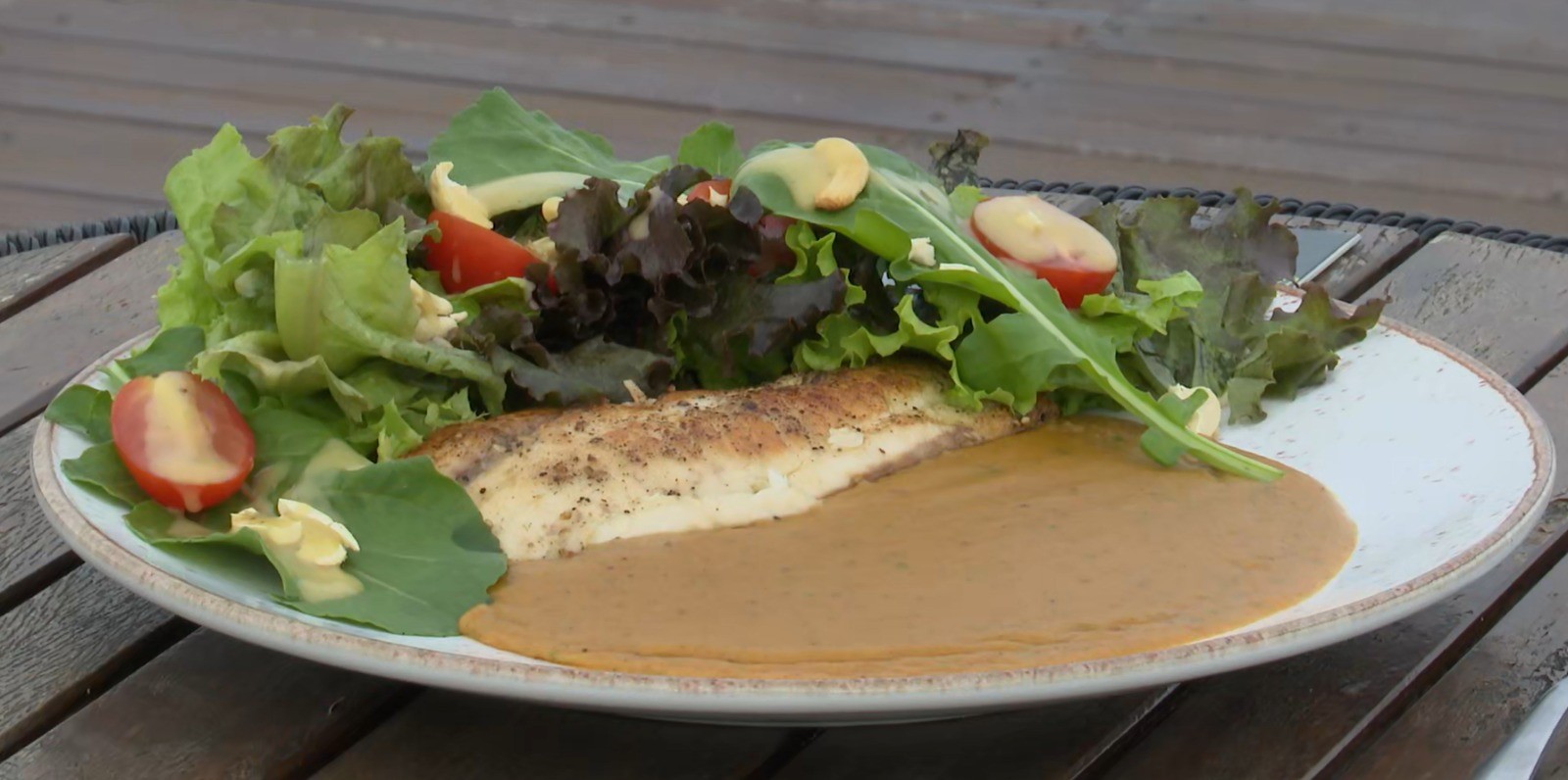
Chef Ricardo Brindeiro, featured on the "Chef JPB" program this Saturday, November 11th, demonstrated how to prepare "feijão de coco," a traditional recipe that repurposes leftover cooked beans. This dish, often served with fish and seafood, transforms everyday beans into a creamy "pirão" using coconut milk and cilantro. The ingredients for the beans include pre-cooked beans (seasoned with garlic, onion, and optional bacon), coconut milk, smoked paprika or annatto, cilantro, and salt to taste. The recipe also includes components for a side of grilled tilapia and a fresh salad. For the tilapia, fillet of tilapia is seasoned with olive oil, salt, and pepper, then quickly pan-seared in a hot, preferably non-stick, skillet due to its thinness. The salad is assembled with torn purple and curly lettuce, arugula, cherry tomatoes, and cashews, dressed with a vinaigrette or a mustard-honey sauce. To make the coconut beans, cooked beans are blended with coconut milk, paprika or annatto, and cilantro until smooth, without straining. This mixture is then heated in a pan over low heat, stirring frequently to prevent sticking, until it reaches a creamy pirão consistency. The dish is plated with the coconut beans as a base, topped with the grilled tilapia and accompanied by the fresh salad.
This recipe highlights resourcefulness in the kitchen by transforming leftover beans into a new dish, potentially reducing food waste. The integration of coconut milk and cilantro suggests a fusion of culinary influences, offering a unique flavor profile. From a systems perspective, such adaptable recipes can contribute to household food security and economic efficiency by maximizing the utility of staple ingredients. The preparation method, emphasizing quick heating of pre-cooked components, aligns with modern demands for convenient yet flavorful meals. Future iterations might explore variations in bean types or alternative plant-based milks to cater to diverse dietary needs and preferences, further enhancing its appeal in a dynamic food landscape.
AI-generated to prompt reflection — not editorial opinion, not advice, not a statement of fact. How this works.