Chef Sabrina Costa Navigates Motherhood and Culinary Challenges in Fernando de Noronha
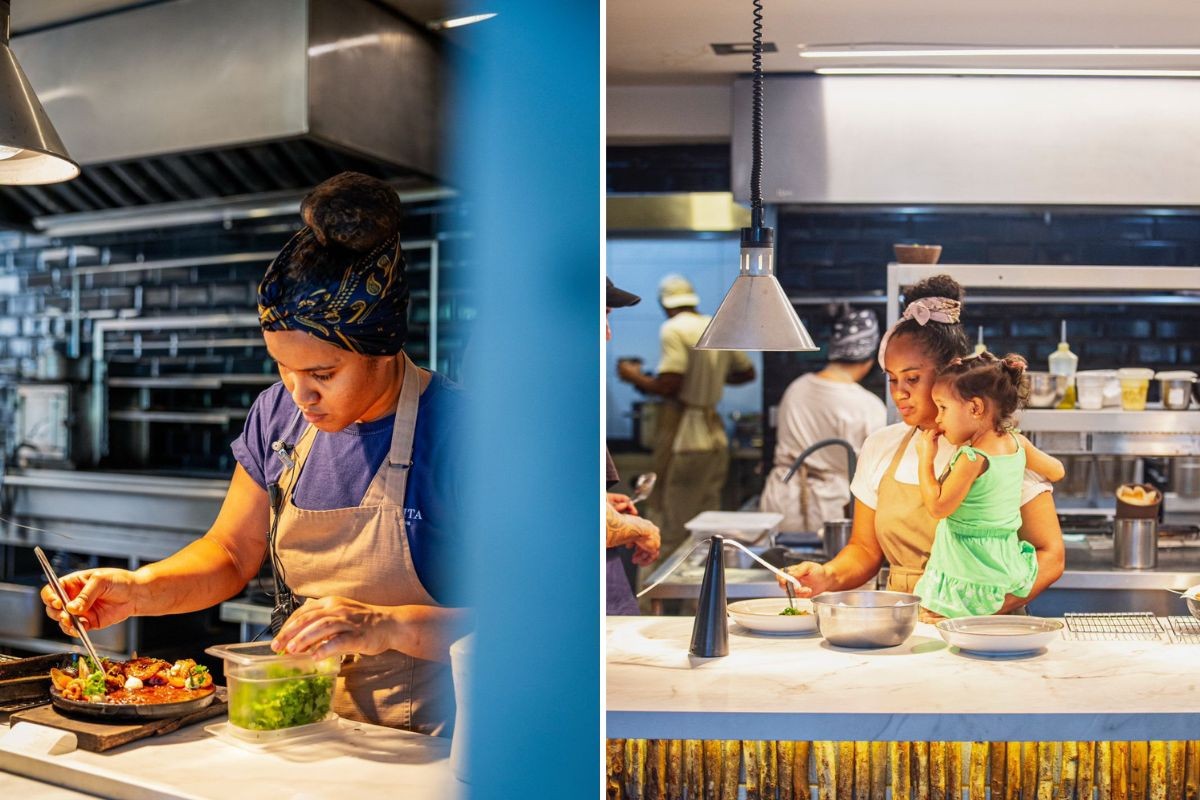
Chef Sabrina Costa has taken on the leadership of Benedita Cozinha Afetiva, a restaurant in the popular tourist destination of Fernando de Noronha. This significant career move occurred while she was also navigating the complexities of being a single mother to her one-year-old daughter. Originally from Santos and São Vicente on the coast of São Paulo, Costa describes her passion for gastronomy not as a choice, but as an undeniable calling. She has previously worked at notable restaurants like Madê and Paru, both under the guidance of chef Dário Costa, where she gained foundational experience, including participating in the opening of these establishments. This experience proved invaluable in understanding team dynamics and operational processes, which later aided her in the unique context of opening a restaurant on an island.
Costa views her journey in Fernando de Noronha as her most challenging yet professionally and personally evolving experience. The island presents distinct logistical hurdles, with all supplies needing to be transported by boat or plane, adding complexity to daily operations. She emphasizes that leading a team in such an environment fosters a deeper, more affective leadership style, built on mutual reliance and shared sacrifice among staff who are often far from home. Her culinary philosophy centers on respect for ingredients and the team, aiming to deliver an honest and caring dining experience. Costa's cooking is deeply influenced by her coastal roots and family heritage from the Northeast of Brazil, blending seafood and grilled elements, often incorporating ingredients like cilantro, reflecting her love for authentic, heartfelt cuisine.
Chef Sabrina Costa's transition to Fernando de Noronha highlights the increasing visibility of women in demanding culinary leadership roles, particularly those balancing professional ambition with single parenthood. The logistical and operational complexities of running a restaurant on an island like Noronha underscore the importance of robust supply chain management and adaptable team leadership in remote or resource-constrained environments. Costa's emphasis on 'affective leadership' and 'care' suggests a growing trend in hospitality towards more human-centric management styles, potentially driven by the need to retain talent in challenging work conditions. This narrative also implicitly points to the economic and social dynamics of island tourism, where local infrastructure and resource availability significantly shape business viability and operational strategies.
AI-generated to prompt reflection — not editorial opinion, not advice, not a statement of fact. How this works.