Chemelot Industrial Park Faces Uncertain Future Amid High Energy Costs and Competition
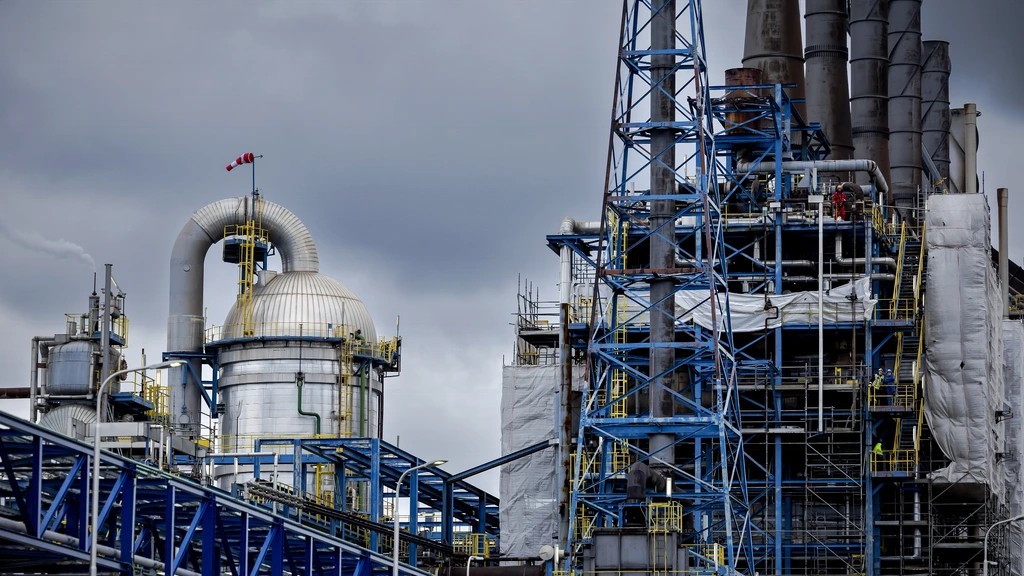
The Chemelot industrial complex in Geleen, a vital producer of materials for everyday items, is experiencing significant difficulties due to prolonged challenges in the chemical industry. Recent years have seen major setbacks, and while the European Commission has offered more time for the industry to transition to sustainable practices, its long-term impact remains uncertain. Koos van Haasteren, director of Chemelot, emphasizes the park's indispensable role, highlighting that many products, from bicycles to clothing, rely on its output. However, the complex is facing severe headwinds, with companies like Saudi Sabic and Egyptian OCI selling off facilities and Fibrant closing three of its seven plants due to an inability to compete with Asian production. Mark Boneschanscher, dean at TU Eindhoven's chemistry faculty, likens the interconnectedness of these companies to a domino effect, making it hard to counteract individual failures. A primary issue is the soaring cost of natural gas, historically a cheap energy source now used for fuel and production, with prices more than tenfold since 2020. This makes transitioning to sustainable energy sources difficult, especially with an overloaded electricity grid in the Netherlands, according to Van Haasteren. He questions the effectiveness of the European Union's Emissions Trading System (ETS) in aiding this transition, though Boneschanscher believes it will incentivize sustainability. Intense competition from Asia, where significant chemical industry expansion has led to disproportionate emission increases, further complicates the situation. Van Haasteren raises concerns about prioritizing European production under sustainable conditions versus relying on other continents with less transparent environmental practices. Marjolein Demmers of Natuur en Milieu stresses the need to maintain European ambitions despite climate crisis realities and China's own sustainability efforts, advocating for continued investment. Boneschanscher views retaining the chemical industry as a political choice crucial for strategic autonomy, citing its importance for defense materials like bulletproof vests and the employment of 8,500 people plus students. Despite these arguments, local residents express concerns about chemical emissions and potential health effects, with one report suggesting an increased cancer risk for those living nearby. Both Chemelot and the province of Limburg maintain that emissions are within legal limits based on current measurements.
The situation at Chemelot highlights a critical juncture for European heavy industry, balancing economic viability against environmental sustainability and global competitiveness. The reliance on volatile energy prices, particularly natural gas, exposes a systemic vulnerability in an era of geopolitical instability and climate transition. While the European Union's regulatory framework, such as the ETS, aims to drive decarbonization, its effectiveness is challenged by high energy costs and the competitive disadvantage posed by regions with less stringent environmental standards and potentially lower production costs. The strategic imperative of maintaining domestic production capacity for essential goods and defense materials clashes with the urgent need to reduce emissions. This presents a complex policy dilemma: investing in domestic green transformation to secure supply chains and jobs, or accepting a shift in production to other continents, potentially with higher environmental footprints. The ongoing health concerns of local residents underscore the need for transparent risk assessment and robust public health monitoring, irrespective of whether emissions meet current legal standards, as societal expectations for environmental quality evolve.
AI-generated to prompt reflection — not editorial opinion, not advice, not a statement of fact. How this works.