Chemical Accidents Spike Amid Proposed Safety Rule Rollbacks
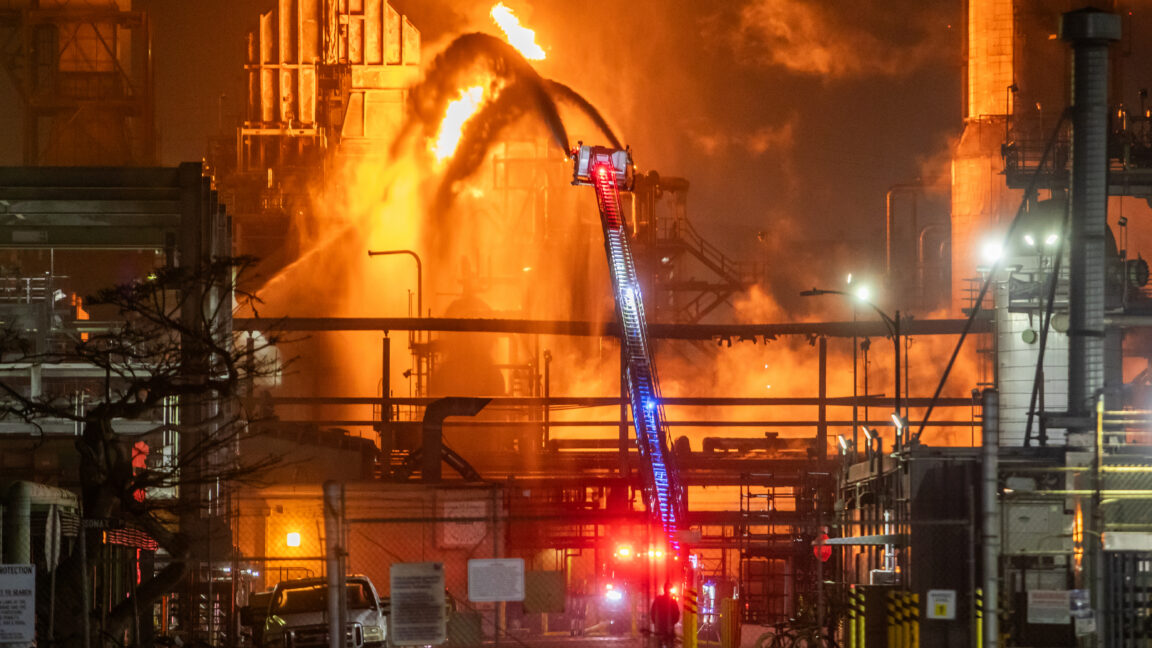
Accidents involving chemicals that resulted in injuries or fatalities have seen a significant increase, rising by nearly 50 percent in recent years. This surge in dangerous chemical incidents occurred during a period when the Trump administration was actively proposing to weaken existing safety regulations. The data indicates a concerning trend where a reduction in safety oversight may be correlated with an uptick in hazardous chemical events. These accidents pose a substantial risk to public health and the environment, highlighting the critical importance of robust safety protocols in the chemical industry. The proposed deregulation could potentially exacerbate these risks, leading to further incidents and casualties. The rise in accidents underscores the need for stringent enforcement of safety standards to protect communities from the dangers of chemical manufacturing and handling. Further investigation into the specific causes and contributing factors behind this 50 percent increase is warranted to inform future policy decisions. The implications of these proposed rule changes are far-reaching, affecting workers, nearby residents, and ecological systems.
The reported increase in chemical accidents, coinciding with proposed regulatory rollbacks, suggests a potential correlation between reduced oversight and heightened safety risks. From a systemic perspective, regulatory frameworks are designed to internalize externalities and mitigate risks inherent in industrial processes. Weakening these frameworks may reduce compliance costs for businesses but could externalize greater risks onto the public and environment. The long-term implications of such a trade-off warrant careful consideration, particularly in the context of evolving industrial technologies and increasing societal expectations for environmental and health protection. Evaluating the efficacy and necessity of safety regulations requires a balanced approach, considering both economic impacts and the imperative to prevent harm.
AI-generated to prompt reflection — not editorial opinion, not advice, not a statement of fact. How this works.