Chemical unlocks queen naked mole-rat's reproductive dominance
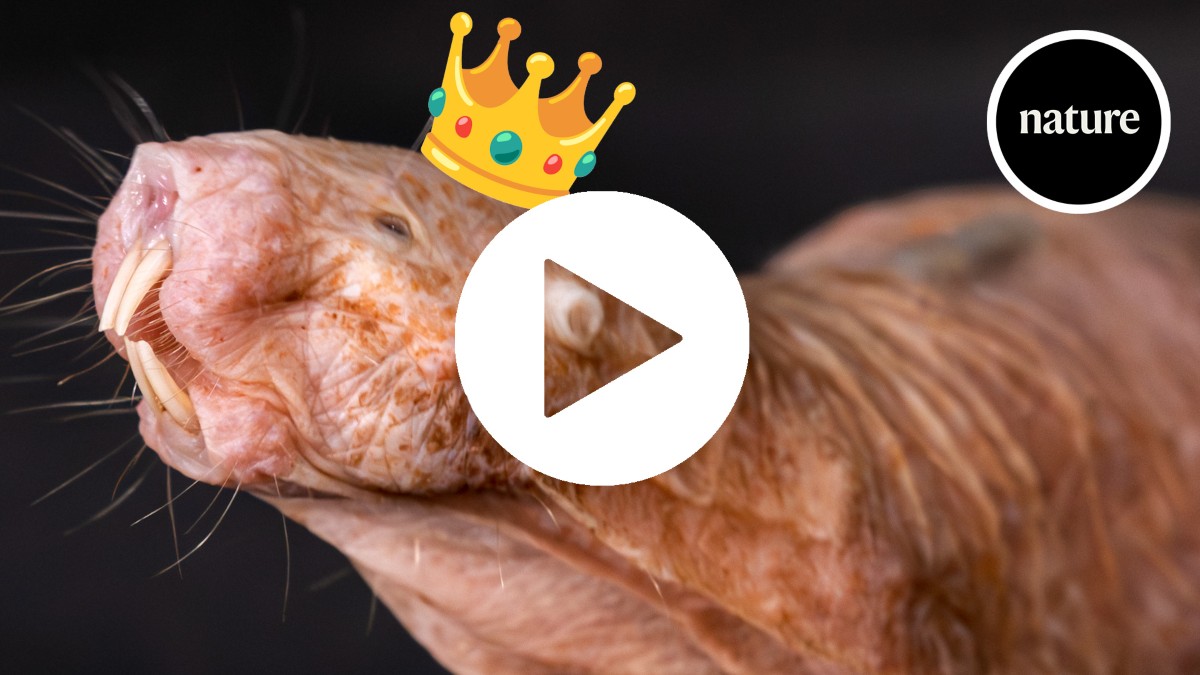
A specific chemical compound has been identified as the key to the reproductive supremacy of queen naked mole-rats. This discovery sheds light on the unique social structure and reproductive strategies employed by these subterranean rodents. Naked mole-rats live in complex colonies, similar to those of social insects like ants and bees, with a single breeding female, the queen, dominating the reproduction within the group. Other females are typically reproductively suppressed. The research indicates that this chemical plays a crucial role in maintaining this social hierarchy and reproductive control. Understanding this mechanism could offer insights into reproductive endocrinology and social behavior in mammals. The findings are significant for the study of eusociality, a rare trait among mammals. Further research is expected to explore the precise biochemical pathways involved and the evolutionary pressures that led to this adaptation. The implications extend to understanding how social environments can influence reproductive physiology.
The identification of a specific chemical mediator for reproductive dominance in naked mole-rats offers a fascinating case study in the biological underpinnings of social hierarchy. This finding highlights how evolutionary pressures can lead to sophisticated chemical signaling for social control, ensuring colony cohesion and reproductive efficiency. From a systems perspective, this mechanism represents a highly optimized biological solution for resource management and population stability in challenging subterranean environments. Understanding these chemical cues could inform future research into mammalian social behavior and reproductive endocrinology, potentially revealing parallels or contrasts with other species, including humans, where social status and reproductive success are intricately linked, albeit through far more complex and multifactorial processes. The long-term implications may involve understanding how environmental factors and genetic predispositions interact to shape social structures and reproductive outcomes across the animal kingdom.
AI-generated to prompt reflection — not editorial opinion, not advice, not a statement of fact. How this works.