Chemotherapy's Side Effect: Senescent Cells May Fuel Cancer Metastasis
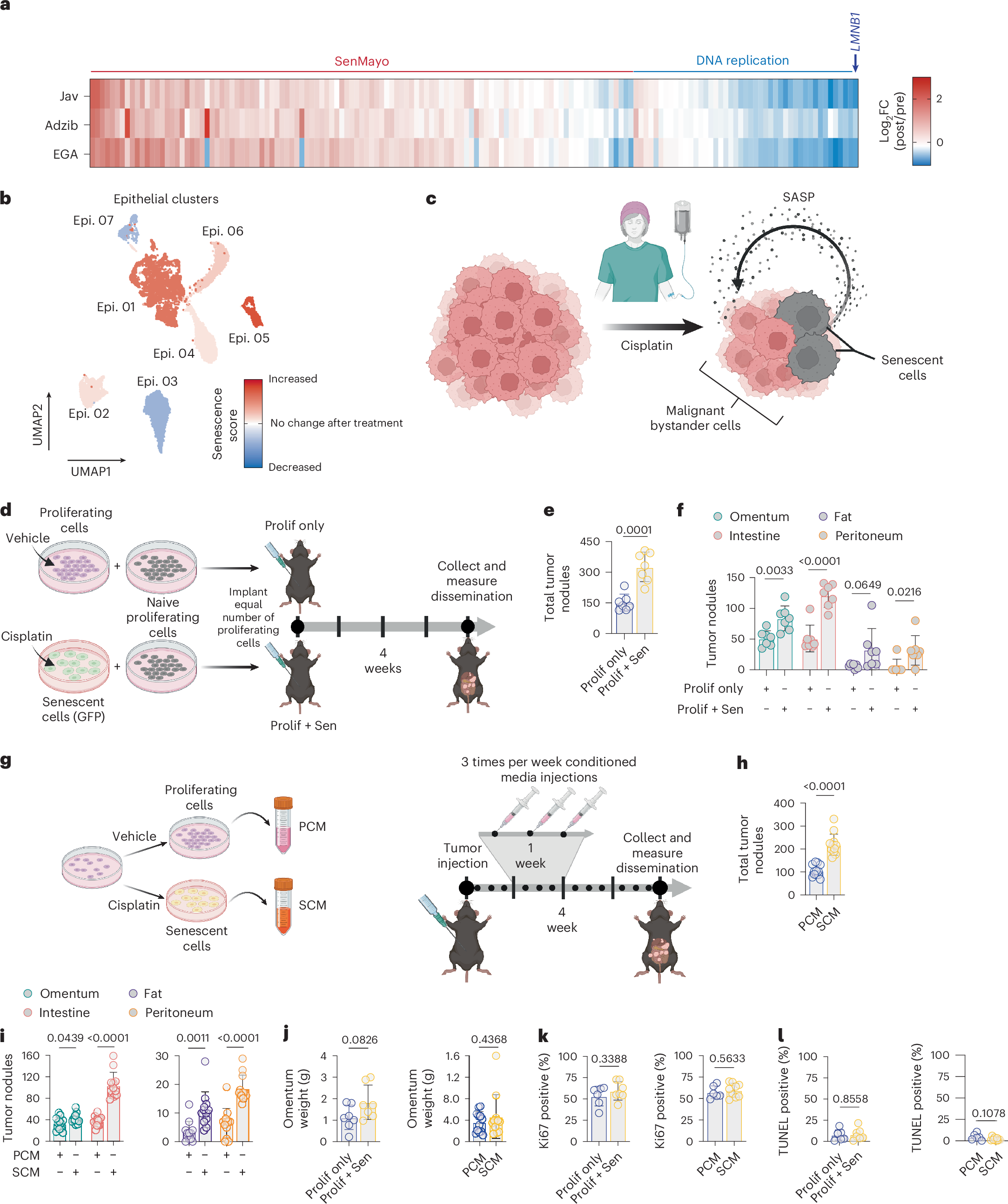
A recent study reveals that chemotherapy, while intended to kill cancer cells, may inadvertently promote metastasis. The research focuses on chemotherapy-induced senescence, a state where cells stop dividing but remain metabolically active and secrete various molecules. This collection of secreted factors, known as the senescence-associated secretome, appears to play a crucial role in cancer spread. Specifically, the study found that this secretome can reprogram the metabolism of nearby cancer cells, making them more prone to detachment from the primary tumor. Once detached, these cells can then disseminate throughout the body, forming new metastatic tumors. This process highlights a complex and potentially counterproductive aspect of cancer treatment. The findings suggest that understanding and potentially targeting the senescence-associated secretome could be a novel strategy to improve the efficacy of chemotherapy and reduce the risk of metastasis. Further research is needed to explore how to mitigate this unintended consequence of cancer therapy.
This research highlights a critical trade-off in cancer therapy, where treatments designed to eliminate malignant cells may inadvertently create conditions that promote disease spread. The concept of chemotherapy-induced senescence-associated secretome acting as a catalyst for metastasis through metabolic reprogramming suggests a complex feedback loop within the tumor microenvironment. Future therapeutic strategies might need to consider not only direct cytotoxic effects but also the modulation of cellular signaling pathways and metabolic states induced by treatment. This could involve developing adjunct therapies that neutralize the pro-metastatic secretome or re-sensitize senescent cells, thereby enhancing the overall effectiveness of cancer treatment and potentially improving patient outcomes in the long term by addressing systemic disease progression.
AI-generated to prompt reflection — not editorial opinion, not advice, not a statement of fact. How this works.