Chenab River Flooding Eases to Low Level; New Rains Expected in Punjab
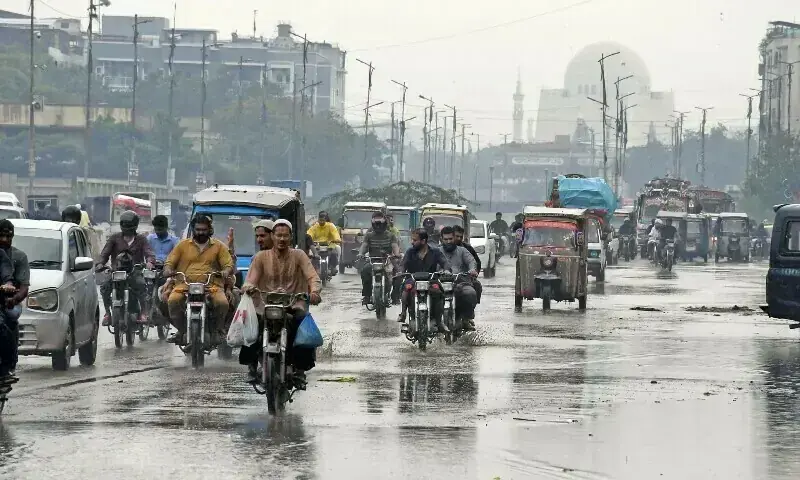
Flooding in Pakistan's Chenab River has receded from medium to low levels, according to the Provincial Disaster Management Authority (PDMA) in Punjab. While rivers across the province continue to experience flooding due to rainfall, water flow has remained stable over the past 24 hours. The Indus River is experiencing low-level flooding at Kalabagh, Chashma, and Taunsa, with recorded water flows of 334,000, 370,000, and 313,000 cusecs respectively. The Chenab River shows low-level flooding at Marala, Khanki, Qadirabad, and Trimmu barrages, with flows ranging from 135,000 to 184,000 cusecs. Low-level flooding also persists in the Ravi River at Balloki and Sidhnai headworks, while water flow at Shahdara remains normal. The Jhelum and Sutlej rivers are at normal levels. However, a medium flood is present in Basantar Nullah in Narowal, and a high-level flood with 5,000 cusecs is occurring in Phalko Nullah in Wazirabad. The PDMA has urged citizens in floodplains to evacuate immediately and assured that relief camps will provide essential facilities and medicines. Recent rainfall has been significant, with Noorpur Thal recording 115mm and Gujranwala 107mm in the last 24 hours. Lahore has received a total of 450mm over five days. The Pakistan Meteorological Department (PMD) forecasts a new spell of rain from July 29 in upper Punjab, Islamabad, Kashmir, and northern parts of the country, including the upper catchments of major rivers. This new rainfall could pose risks of flooding in low-lying areas and landslides in mountainous regions. Rain-related incidents have already caused seven deaths and injured 20 people in Punjab on Saturday, bringing the total monsoon-related fatalities to 22 and injuries to 183 across the province. Approximately 400 square kilometers of Punjab are currently submerged.
The recurrent flooding in Pakistan's river systems, particularly the Chenab and Indus, highlights the persistent vulnerability of low-lying areas to monsoon patterns, exacerbated by potential changes in precipitation intensity and frequency. The PDMA's preparedness measures, including evacuation advisories and relief camp provisions, are critical immediate responses. However, the scale of submerged land (400 sq km) and the cumulative fatalities suggest a need for long-term systemic solutions. Future planning must integrate advanced hydrological modeling, improved early warning systems, and sustainable land-use policies that account for increased climate variability. The forecast of further rainfall from July 29 necessitates continued vigilance and resource allocation, underscoring the cyclical challenge of managing water resources and disaster risk in a region heavily reliant on its river systems.
AI-generated to prompt reflection — not editorial opinion, not advice, not a statement of fact. How this works.