Cherry Laurel Preferred Over Bees: The Misguided Trends in Balcony Gardening
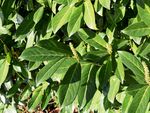
A growing trend in balcony gardening prioritizes aesthetics over ecological value, leading to a preference for plants like cherry laurel over those that support biodiversity. While some individuals embrace balcony spaces as opportunities for creating habitats that attract insects and promote species diversity, others opt for visually appealing but ecologically barren choices. This shift reflects a disconnect between human aesthetic preferences and the needs of local ecosystems. The desire for low-maintenance and visually uniform gardens often leads to the selection of non-native or invasive species that can outcompete native plants. Consequently, these manicured spaces fail to provide essential resources for pollinators and other beneficial insects. This trend contributes to a decline in urban biodiversity, impacting the health of local ecosystems. Experts advocate for a more mindful approach to balcony gardening, encouraging the use of native plants that offer both beauty and ecological benefits. Such practices can transform urban spaces into valuable micro-habitats, supporting insect populations and enhancing the overall ecological resilience of cities. Ultimately, the choice of plants on balconies has a tangible impact on the environment, highlighting the need for greater awareness and education on sustainable gardening practices.
The preference for visually uniform, low-maintenance plants like cherry laurel on balconies over insect-friendly species represents a conflict between human aesthetic desires and ecological imperatives. This trend, driven by a desire for curated appearances, inadvertently diminishes urban biodiversity by creating sterile micro-habitats. Over the next decade, as urbanization intensifies and the importance of urban green spaces for ecosystem services becomes more critical, such gardening choices will face increasing scrutiny. Future urban planning and public education initiatives may need to incentivize or mandate the use of native, pollinator-friendly plants to foster ecological resilience within densely populated areas. This shift requires a re-evaluation of what constitutes a 'beautiful' garden, moving beyond purely visual appeal to encompass ecological function and contribution to the wider environment.
AI-generated to prompt reflection — not editorial opinion, not advice, not a statement of fact. How this works.