Chess Legend Judit Polgár Declines Hungarian Presidency Nomination
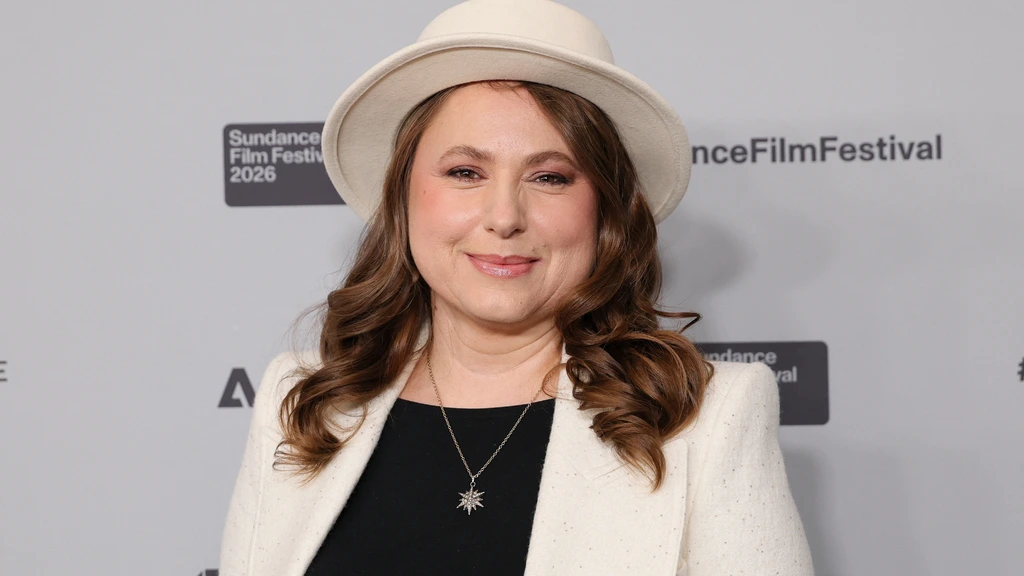
Hungarian chess grandmaster Judit Polgár has announced she will not accept the nomination for the largely ceremonial role of President of Hungary. The decision comes one day after Prime Minister Péter Magyar proposed her for the position. Polgár expressed gratitude for the request but stated on Facebook that she does not feel she possesses the strength to undertake the significant task of unifying a divided country. Magyar had put forward Polgár as an interim head of state until a new constitution is enacted. The appointment of a new president and the drafting of a new constitution are key components of the Prime Minister's reform agenda. Magyar's administration came to power in April following a decisive election victory over Viktor Orbán's nationalist Fidesz party, which had ruled for sixteen years. The new Prime Minister aims to reduce his predecessor's influence, citing a clear electoral mandate for reforming Hungary's state institutions. Last weekend, outgoing President Tamás Sulyok signed a constitutional amendment that officially ended his term. The Hungarian parliament is now tasked with electing a new president, who will serve until the planned new constitution takes effect, with a maximum term limit of five years. The 49-year-old Polgár is widely regarded as the most successful female chess player in history, being the only woman to have reached the top 10 of the world rankings and to achieve an Elo rating above 2700, a benchmark for elite players. Her life and career were recently featured in the documentary "Queen of Chess."
Judit Polgár's withdrawal from consideration for the Hungarian presidency highlights the complex interplay between personal capacity, public service, and political reform. While Prime Minister Péter Magyar sought to leverage Polgár's international stature and perceived integrity for his reform agenda, her decision underscores a potential disconnect between symbolic leadership and the practical demands of unifying a politically fractured nation. This situation prompts reflection on the criteria for selecting heads of state, particularly in transitional periods. Future political strategies might benefit from a more thorough assessment of candidates' willingness and perceived aptitude for the specific challenges of governance, rather than relying solely on external accolades. The event also raises questions about the sustainability of reform efforts when key figures decline to participate, potentially impacting public trust and the momentum of institutional change in Hungary over the next decade.
AI-generated to prompt reflection — not editorial opinion, not advice, not a statement of fact. How this works.