Chicago Mayor Brandon Johnson Urges Investment in Cities Over War Funding
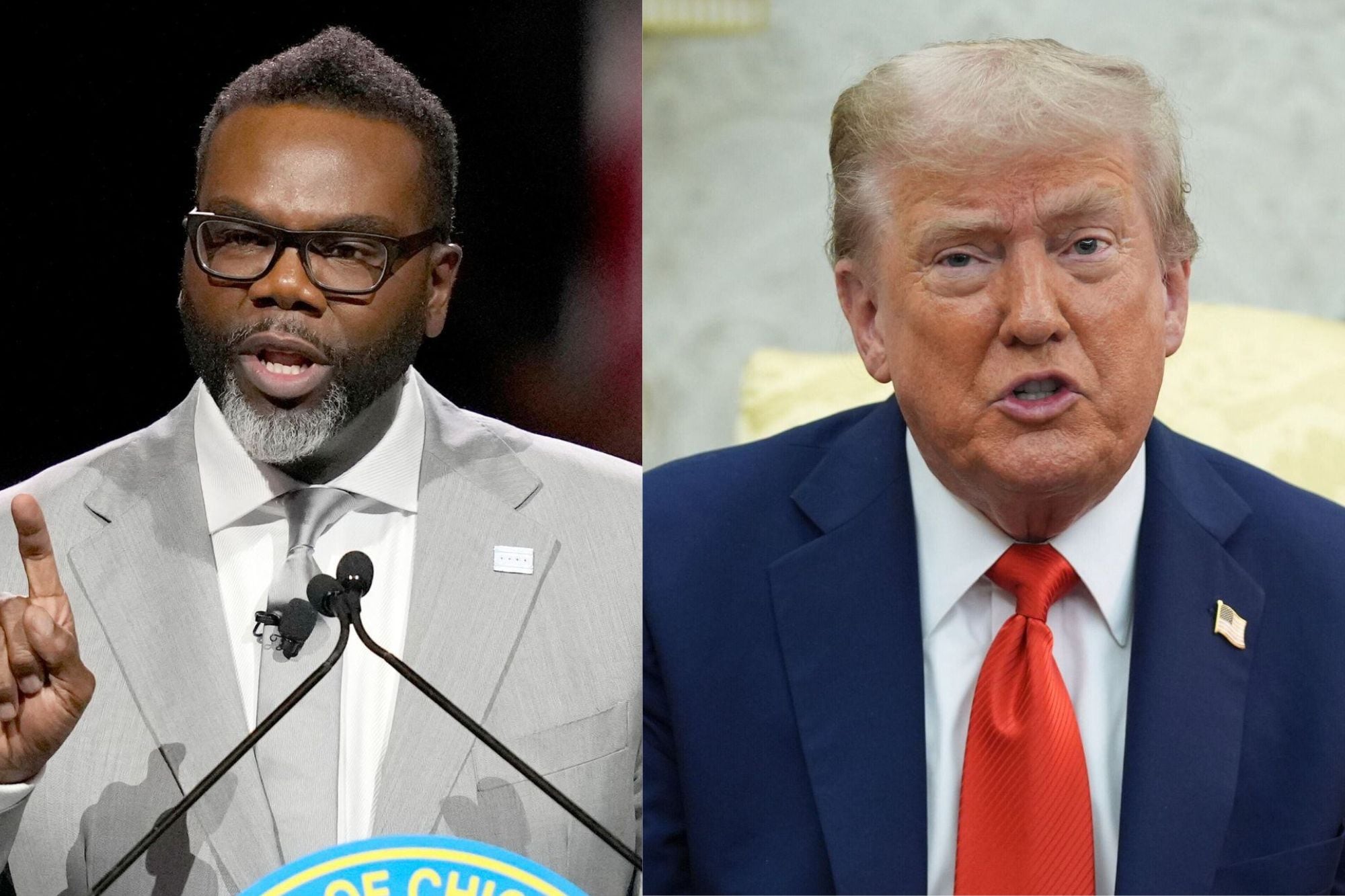
Chicago Mayor Brandon Johnson is calling for a significant shift in national priorities, advocating for the redirection of substantial funds from military spending to urban development and social services. Johnson specifically challenged former President Donald Trump on this issue, proposing that the $100 billion allocated for military endeavors be instead invested in housing and essential services for American cities. He articulated this demand from Chicago, emphasizing the pressing needs of urban populations that are currently underserved.
The mayor's stance highlights a growing concern among city leaders regarding the disparity between federal investment in defense and the critical infrastructure and social support systems required by their communities. Johnson argues that such a reallocation would not only address immediate crises like homelessness and lack of affordable housing but also foster long-term economic stability and improve the quality of life for millions of residents. This proposal underscores a broader debate about national resource allocation and the role of government in supporting its citizens.
Mayor Johnson's proposal frames a fundamental tension in public finance: the allocation of finite resources between national security imperatives and domestic well-being. By highlighting the $100 billion figure, he seeks to reframe the debate, suggesting that investments in urban infrastructure and social services offer a more tangible and impactful return on investment for citizens than certain defense expenditures. This perspective invites consideration of the long-term societal benefits of addressing root causes of urban distress, such as housing insecurity and lack of opportunity, versus the immediate, albeit different, security provided by military spending. The challenge lies in balancing these competing, yet often interconnected, demands within the existing fiscal and political structures, prompting a systemic review of how national priorities are set and resources are distributed in the coming decade.
AI-generated to prompt reflection — not editorial opinion, not advice, not a statement of fact. How this works.