Chico Mendes Park Reopens in Rio Branco After R$1.5 Million Revitalization
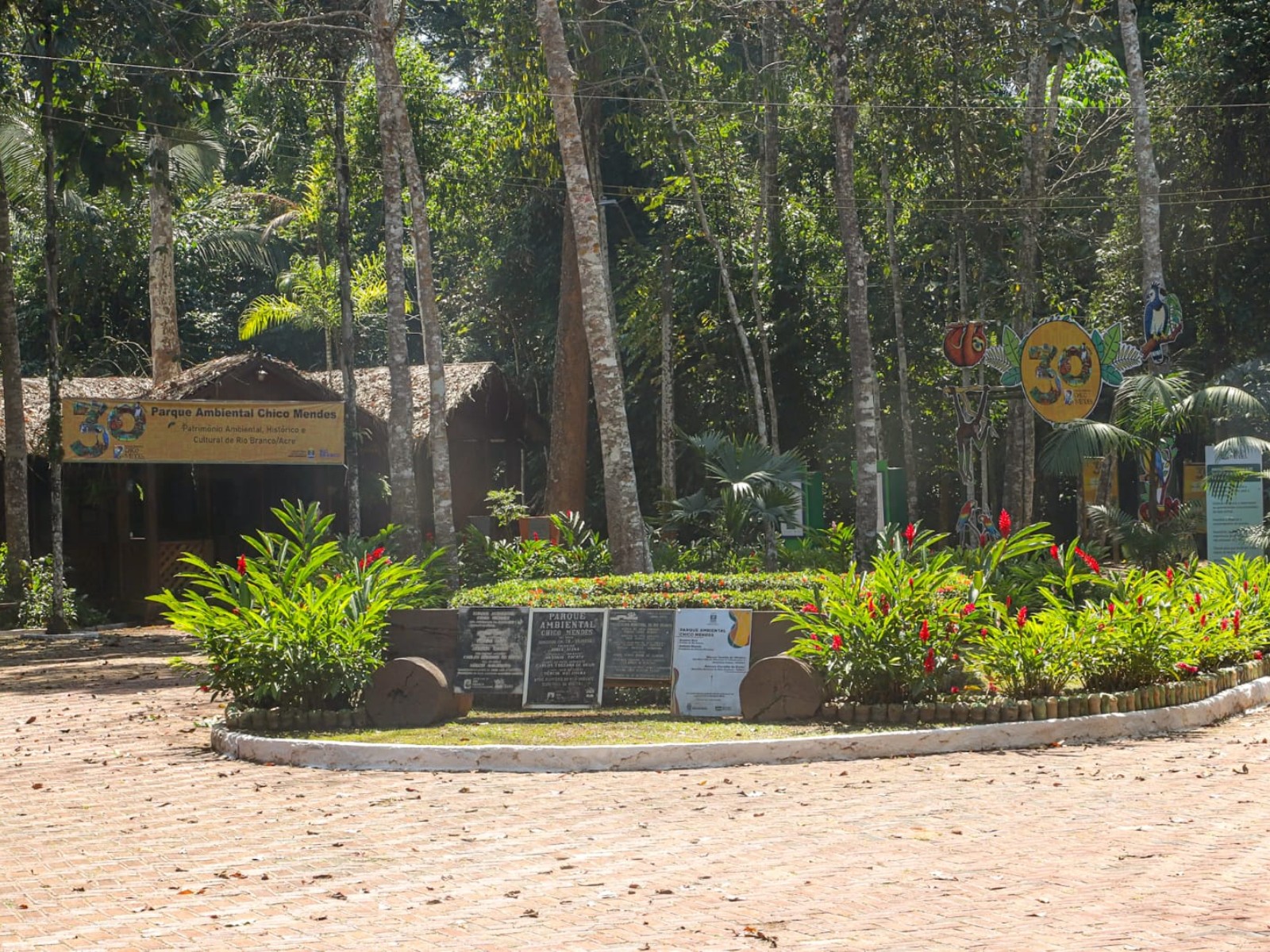
The Chico Mendes Environmental Park in Rio Branco, Acre, has reopened to the public after a significant revitalization project, coinciding with its 30th anniversary. The park, a key environmental, historical, and cultural landmark in the capital, was closed on August 25th and reopened on Friday, August 31st. The revitalization efforts involved an investment of approximately R$1.5 million. This project included painting zoo enclosures, public restrooms, the administration building, guardhouses, playground equipment, the food court, tables, and picnic area benches. Additionally, the asphalted trail has been repaired, the walkway to the zoo reconstructed, and the landscaping renewed. The park, which receives an average of two to three thousand visitors per weekend, will have its trails open to the public during the summer. New features include free Wi-Fi for visitors through the Conecta Rio Branco program and the installation of solar panels, enabling the park to generate a portion of its own energy and enhance its sustainability. A time capsule exhibition celebrating the park's 30 years is planned for December, where visitors can contribute their wishes for the park's future. Inaugurated in July 1996, the 57-hectare park features preserved forest, ecological trails, a zoo with Amazonian species, a recreational area, and an outdoor gym. It also houses a memorial dedicated to Chico Mendes, commemorating his fight for Amazon preservation, and serves as a vital center for environmental research and education.
The reopening of Chico Mendes Park after a substantial investment highlights a municipal commitment to public spaces and environmental heritage. The integration of solar power and free Wi-Fi demonstrates an effort to modernize infrastructure and enhance visitor experience, aligning with broader trends in urban development and sustainability. This revitalization can be viewed as an attempt to balance ecological preservation with recreational needs, potentially boosting local tourism and community engagement. The park's dual role as a leisure area and an educational center underscores the ongoing challenge of managing natural resources within urban environments, particularly in regions like the Amazon where conservation is paramount. Future success will likely depend on sustained maintenance, effective programming, and continued community involvement to ensure the park remains a valuable asset for both ecological and social well-being over the next decade.
AI-generated to prompt reflection — not editorial opinion, not advice, not a statement of fact. How this works.