Chief Minister Defends Development Against NIMBY Accusations
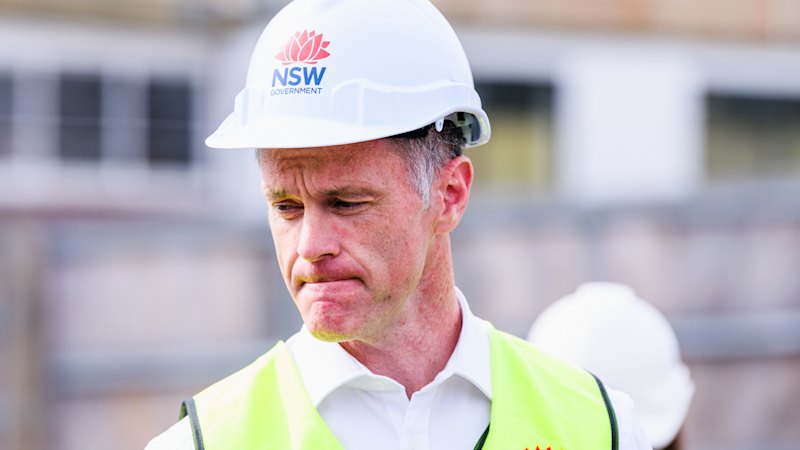
Chief Minister Andrew Barr has criticized opposition to new development projects, suggesting that objectors are often motivated by "Not In My Backyard" (NIMBY) sentiments rather than genuine concerns. He argued that it is incorrect to automatically label everyone who opposes an unwelcome development as acting solely out of self-interest. This stance comes amidst ongoing debates about urban planning and the balance between development and community concerns. The Chief Minister's remarks highlight a potential disconnect between government development goals and public perception of these projects. The debate underscores the challenges of managing urban growth while addressing resident anxieties about changes to their neighborhoods. It raises questions about how to foster constructive dialogue when significant development proposals face public resistance. The underlying issue involves balancing the need for housing and infrastructure with the desire to preserve existing community character.
The framing of development opposition as purely NIMBYism risks oversimplifying complex urban planning challenges. While self-interest can be a factor, legitimate concerns regarding infrastructure strain, environmental impact, and community character often drive objections. Governments face a persistent challenge in balancing the imperative for growth and housing supply with the need for transparent community engagement and equitable development outcomes. Future urban policy will likely need more robust mechanisms for addressing these trade-offs, ensuring that development serves broader societal goals rather than solely incentivizing rapid construction.
AI-generated to prompt reflection — not editorial opinion, not advice, not a statement of fact. How this works.