Chief Prosecutor Accuses Human Rights Watch of Biased Reporting
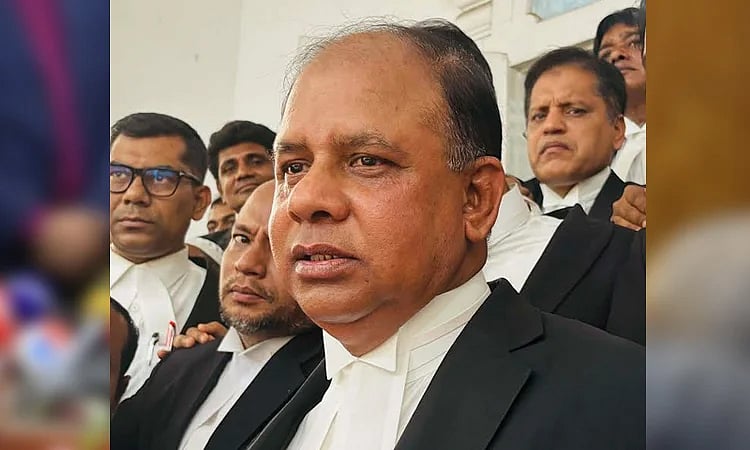
The Chief Prosecutor of the International Crimes Tribunal, M. Aminul Islam, has alleged that Human Rights Watch (HRW) is publishing biased reports. He stated that HRW's reports are not based on properly verified information. Islam made these remarks to journalists on Wednesday at his office within the International Crimes Tribunal premises. This statement comes shortly after HRW released a report asserting that Bangladesh's authorities are failing to uphold international legal standards at the International Crimes Tribunal. According to HRW, this failure risks denying justice to victims, undermining the rule of law, potentially leading to the unjust imprisonment of political opponents, and enabling the recurrence of past rights violations.
Chief Prosecutor Islam defended the integrity of the tribunal's prosecution and investigation teams, highlighting that the 20 prosecutors and 24 investigation officers are highly experienced, with many having over 20 years in criminal law and senior police ranks. He questioned the expectation of foreign judges and lawyers, emphasizing that the tribunal operates under the International Crimes (Tribunals) Act, 1973, a domestic law. Islam also addressed HRW's criticism regarding witness statements, suggesting that consistency in testimonies is natural given the shared experiences of martyrs and victims, and that HRW's interpretation of identical statements as indicative of bias is flawed. He concluded that reports favoring specific defendants through indirect means would be unacceptable.
The Chief Prosecutor's critique of Human Rights Watch's report highlights a recurring tension between international human rights monitoring bodies and national judicial systems, particularly concerning war crimes tribunals. From a systemic perspective, HRW's focus on adherence to international legal standards aims to ensure due process and prevent potential abuses of power, which is crucial for long-term legitimacy and public trust in justice mechanisms. Conversely, the Chief Prosecutor's defense emphasizes national sovereignty, the expertise of domestic legal professionals, and the practicalities of conducting trials within a specific legal and cultural context. The disagreement underscores the challenge of balancing universal legal principles with the operational realities and national legal frameworks of individual states. Future international cooperation in justice may benefit from clearer protocols for information exchange and mutual understanding of procedural expectations to mitigate such conflicts.
AI-generated to prompt reflection — not editorial opinion, not advice, not a statement of fact. How this works.