Child bitten by bat found in shoe receives rabies vaccine
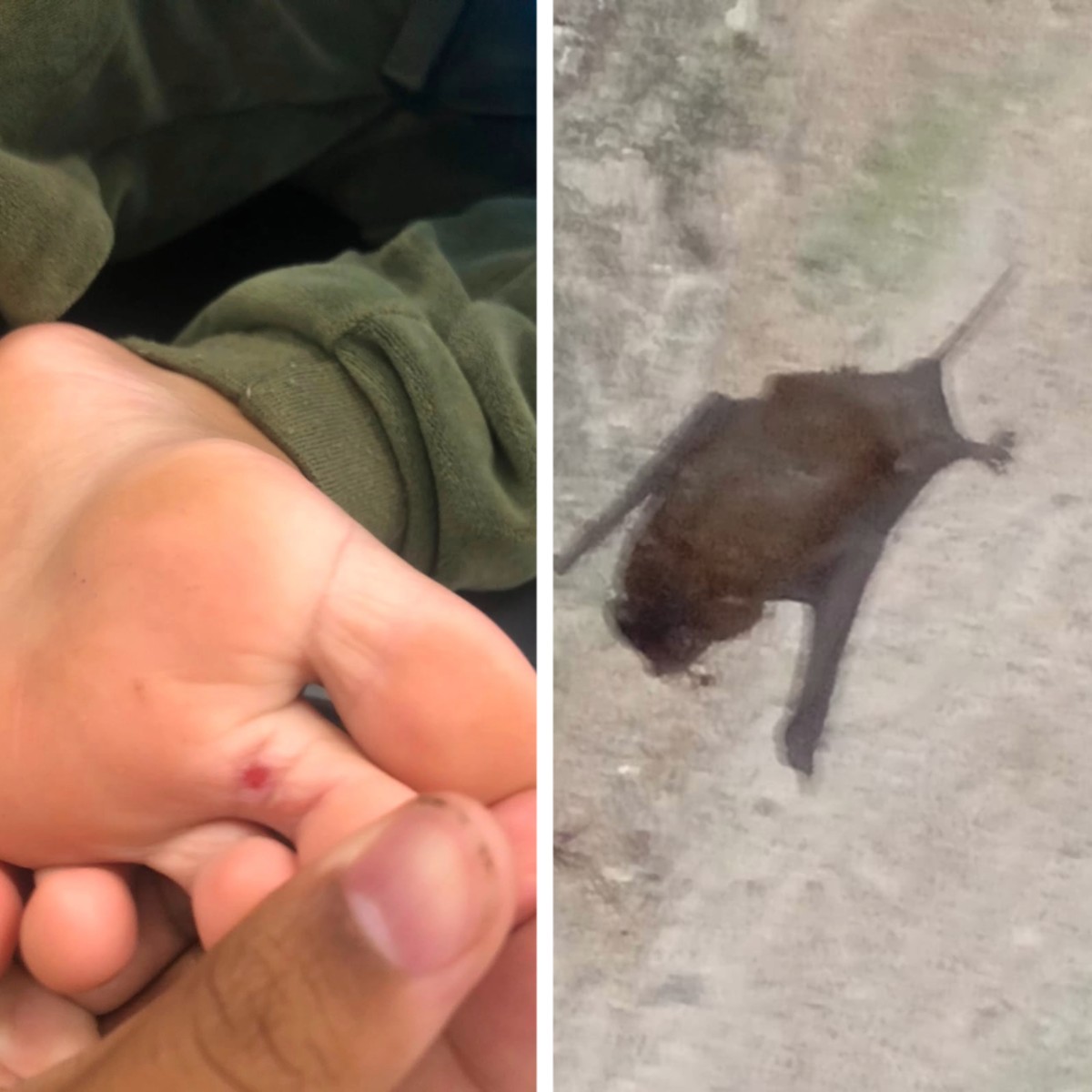
A three-year-old child in Betim, Brazil, was bitten by a bat that had been inside her shoe. The incident occurred on Monday, June 6th, when the child was at home in the Petrovale neighborhood and reached into her shoe. It is suspected that the bat entered the footwear while the child was at a local daycare center. Following the bite on her foot, a family member killed the bat, which had also come into contact with seven cats in the residence. The family sought medical attention the following morning, June 7th, at the UPA Teresópolis. The child was subsequently transferred to Hospital João XXIII in Belo Horizonte, a facility specializing in such cases, where she received the rabies vaccine and was kept under observation. She was later discharged with instructions to complete the rabies vaccination series in Betim. The Betim City Hall's Zoonosis Surveillance Unit collected the bat on Tuesday, June 7th, after being notified. A sample was sent for rabies testing, with priority requested, though the results were not yet available at the time of reporting. As a precautionary measure, the seven cats in the household were vaccinated against rabies. Health surveillance professionals also provided guidance to the daycare staff on safe practices and bat prevention. The Municipal Health Secretariat advises the public to avoid direct contact with bats or other potentially rabid animals and to seek immediate medical attention if exposure occurs. Rabies is a viral zoonotic disease transmitted by mammals, affecting the central nervous system and potentially leading to death. Transmission to humans typically occurs through bites, but also through scratches or saliva contact with wounds or mucous membranes. Bats, dogs, and cats are common transmitters. Individuals exposed are advised to wash wounds with soap and water and seek prompt medical assistance.
This incident highlights the critical importance of public health surveillance and immediate medical intervention in preventing zoonotic disease transmission. The rapid response by the child's family and healthcare providers in administering the rabies vaccine is a testament to established protocols for managing potential exposures. Moving forward, enhanced collaboration between municipal health units, educational facilities, and animal control services can further mitigate risks by implementing proactive measures such as regular facility inspections and public awareness campaigns on wildlife encounters. Focusing on preventative education and accessible post-exposure prophylaxis will remain key to safeguarding community health against diseases like rabies in an increasingly interconnected environment.
AI-generated to prompt reflection — not editorial opinion, not advice, not a statement of fact. How this works.