Child Contracts Japanese Encephalitis During Summer Vacation
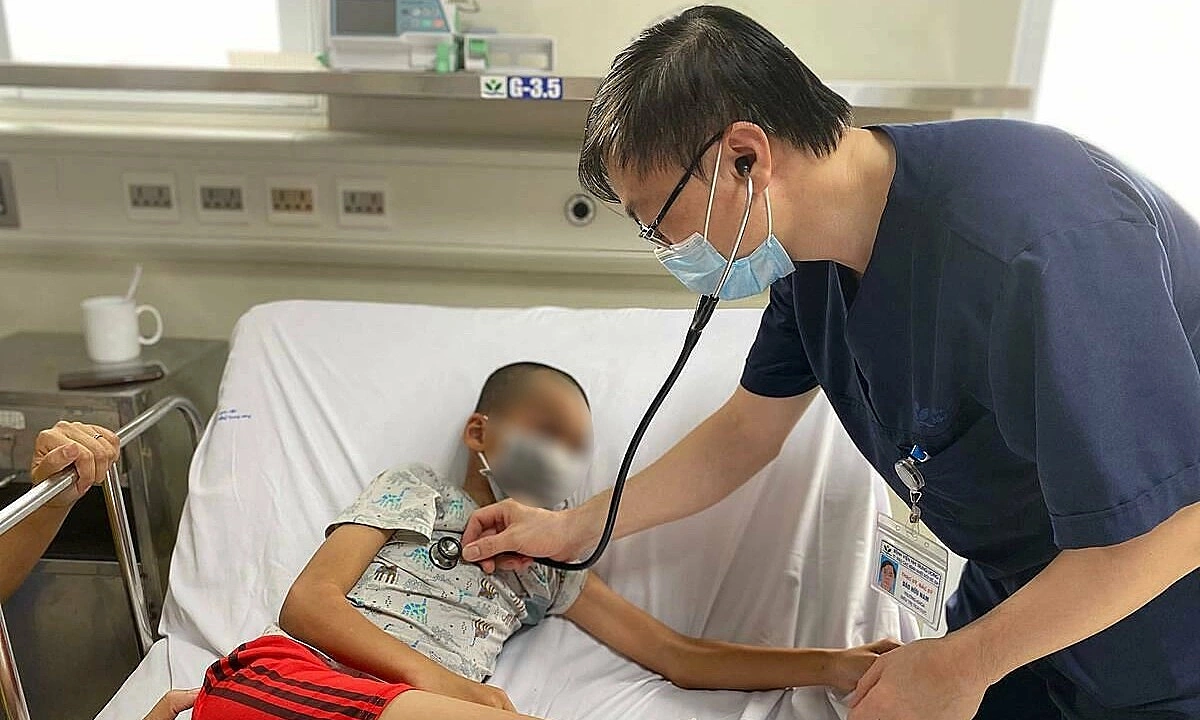
A young girl from Hanoi contracted Japanese encephalitis while visiting her grandparents in the countryside for summer vacation. Her mother, Ms. Phuong, had instructed the grandparents to limit the child's exposure to fields and pigpens and to ensure she wore long-sleeved clothing. Despite these precautions, the child became infected with the serious mosquito-borne disease. Japanese encephalitis is a viral infection that can cause inflammation of the brain. Symptoms can range from mild fever and headache to severe neurological problems, including seizures, coma, and even death. The disease is endemic in many parts of Asia, and mosquitoes that breed in rice paddies and other wet environments are primary vectors. Prevention strategies often include mosquito control measures and vaccination, particularly for children living in or traveling to endemic areas. The case highlights the ongoing risk of infectious diseases in rural settings, even with parental guidance.
This case underscores the persistent risk of vector-borne diseases in rural environments, particularly during periods of increased outdoor activity like summer vacations. While preventative measures such as appropriate clothing and limiting exposure to known breeding grounds were attempted, the infection's occurrence suggests the need for a multi-faceted approach. This includes public health initiatives focused on mosquito population control and potentially broader vaccination campaigns in affected regions. The incident also prompts consideration of how to best balance traditional summer activities with modern public health recommendations, especially for vulnerable populations like children. Future strategies may need to integrate community-level interventions with individual precautions to effectively mitigate such risks in the long term.
AI-generated to prompt reflection — not editorial opinion, not advice, not a statement of fact. How this works.