Child Gifts Drawing to Police Chief During Uncle's Arrest, Seeks Understanding
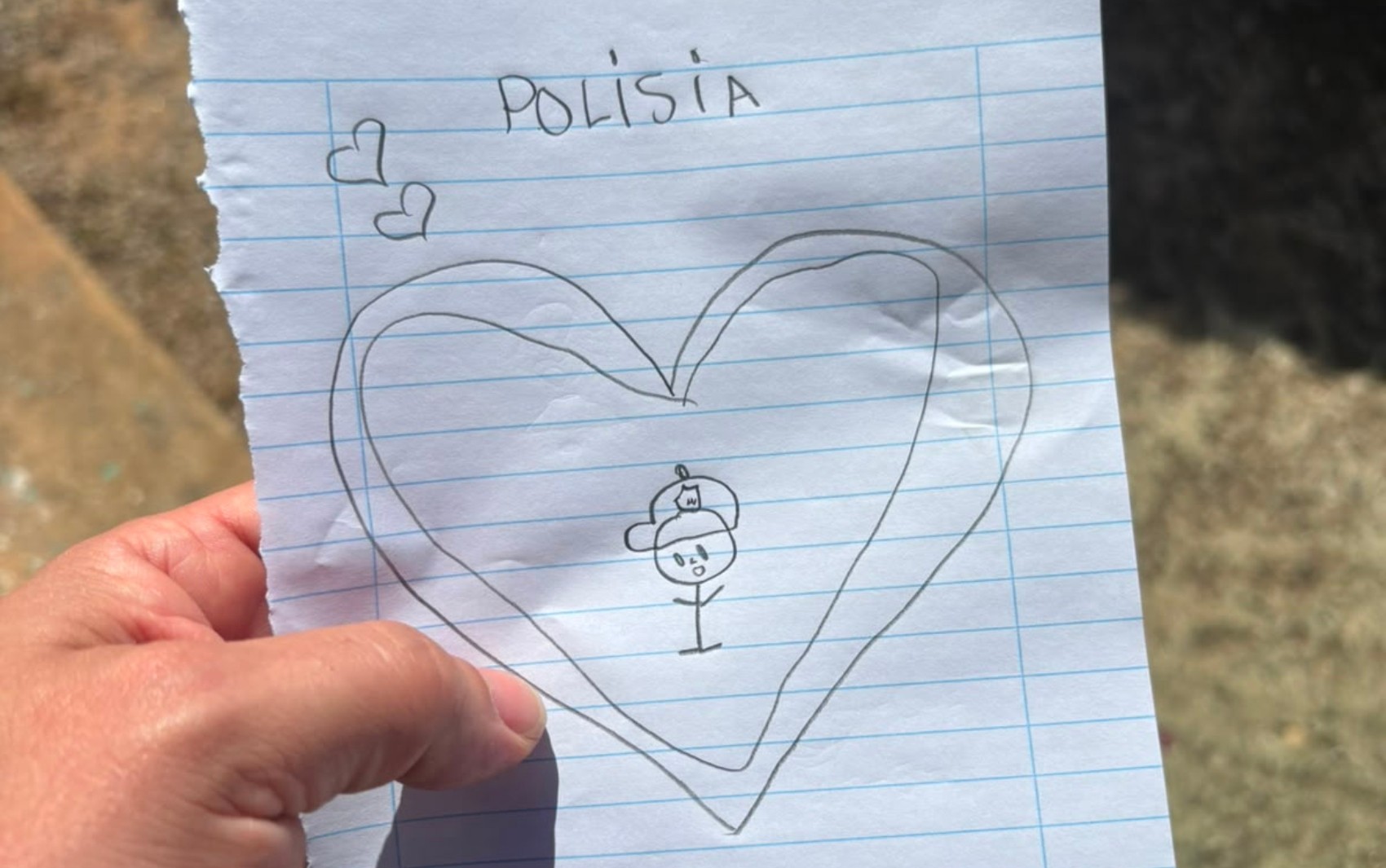
An 8-year-old girl in Aparecida de Goiânia, Goiás, Brazil, surprised a police chief by giving him a drawing during the arrest of her uncle on Tuesday, October 21st. The girl, who was curious about the police officers' presence, approached Chief Henrique Barocan and asked about his role. He explained that he was a police delegate and reassured her that they were there to do their job and not harm anyone. As the police team was leaving, the girl embraced him and presented the drawing. Chief Barocan found the gesture gratifying, interpreting it as a sign he was performing his duties correctly by balancing firmness with a reassuring presence. He explained to the child that they were searching for something illicit in the house. The uncle was arrested on suspicion of stalking, threats, sexual harassment, and domestic violence, based on a report from his own daughter regarding aggression towards the child's mother. The suspect, who also has a history of drug trafficking and other offenses, was arrested at his home, which is on the same property as the child and her mother. He was released after a custody hearing and denied the accusations in his statement.
This incident highlights the complex emotional landscape children navigate during law enforcement activities in their homes. The child's act of offering a drawing to the arresting officer, coupled with her curiosity about his role, suggests an attempt to understand and humanize a potentially frightening situation. Chief Barocan's response, prioritizing reassurance and clear communication, demonstrates an understanding of community policing principles, aiming to foster trust rather than fear. This interaction underscores the importance of police officers' demeanor in shaping a child's perception of authority and safety during sensitive operations. The situation also raises broader questions about the systemic impact of domestic violence and criminal activity on children, and the challenges in balancing law enforcement objectives with the need to protect vulnerable individuals.
AI-generated to prompt reflection — not editorial opinion, not advice, not a statement of fact. How this works.