Child Injured in Rope Jump Accident Months Before Fatal Incident
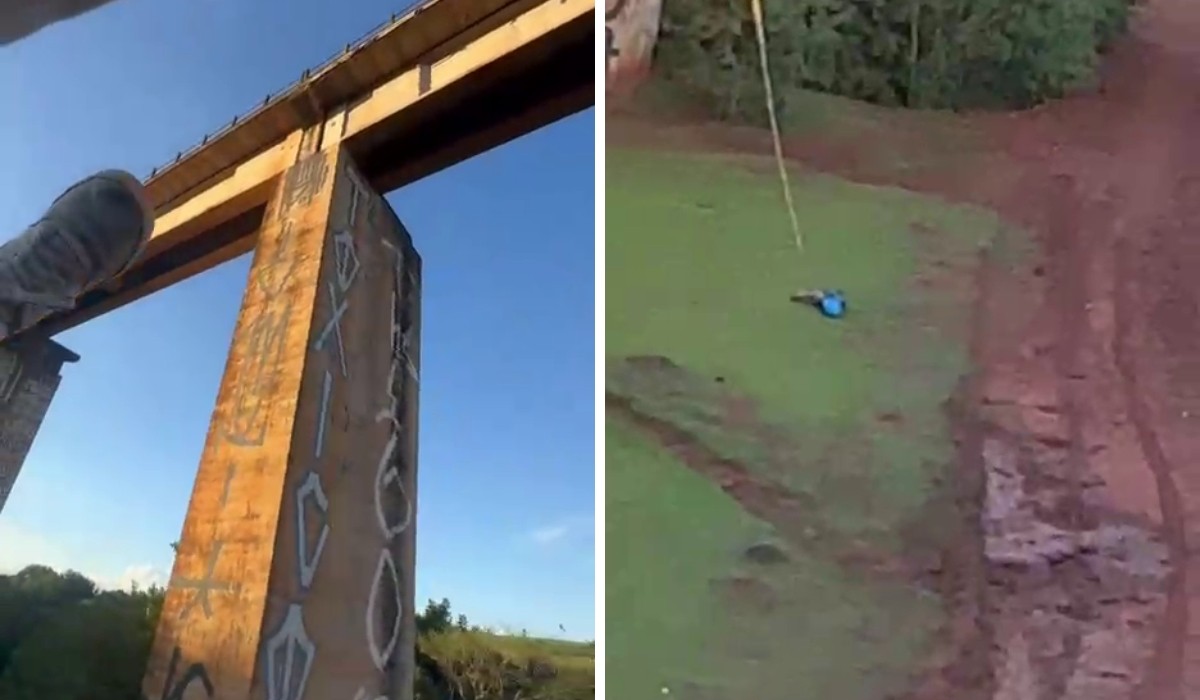
A video has surfaced showing a nine-year-old child falling to the ground after a rope jump on the Ponte do Esqueleto, located between Limeira and Cordeirópolis in São Paulo, Brazil. This incident occurred three months prior to the death of 21-year-old Maria Eduarda, who was tragically launched without safety ropes by the same group. The child's accident was captured by Luis Gustavo de Oliveira, a member of the 'Entre Cordas' group and currently under investigation by the Civil Police. Oliveira reported hearing screams during his own jump and subsequently requested to descend. According to the Civil Police's final report, the child's safety rope was removed while he was still swinging, causing him to scrape the ground and sustain minor abrasions to his knees. While there was no apparent serious head impact, the child did report a slight bump. Rope jump, distinct from bungee jump, utilizes static ropes and results in a pendulum-like swing. Maria Eduarda died on June 13th after being intentionally thrown from a 40-meter height without any safety equipment. The organizer of the event has been indicted for qualified homicide and procedural fraud, and investigations are ongoing regarding a missing camera used by the victim. The father of the injured child had previously provided operational services to the company, working freelance and assisting in various capacities, including equipment handling and filming, without witnessing any apparent irregularities during his involvement.
This incident highlights critical safety lapses within the extreme sports industry, particularly concerning operational protocols and equipment integrity. The juxtaposition of a child's near-miss with a fatal accident involving a young woman underscores systemic failures in risk management and regulatory oversight. Investigations into potential evidence tampering, such as the missing camera, suggest a deliberate attempt to obscure the circumstances surrounding the fatalities. Moving forward, a robust independent auditing framework, mandatory certification for operators, and enhanced public accountability mechanisms are essential to prevent future tragedies and restore public trust in these activities.
AI-generated to prompt reflection — not editorial opinion, not advice, not a statement of fact. How this works.