Childhood High Blood Pressure Cases Increase Due to Lifestyle Factors
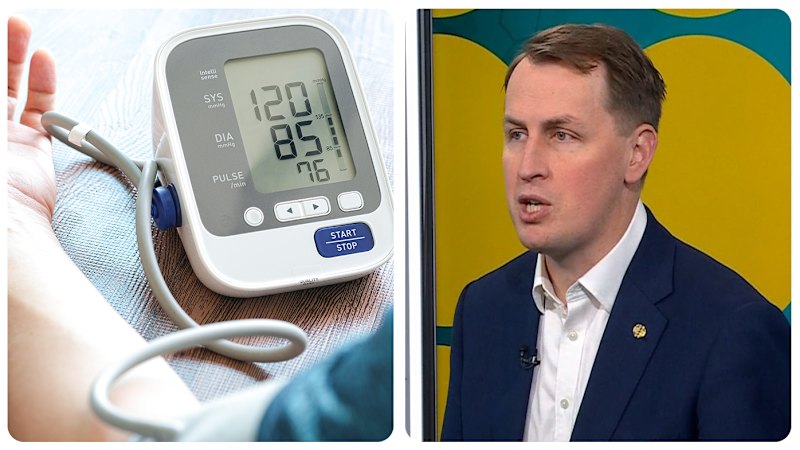
A concerning rise in the number of children diagnosed with high blood pressure has been observed. This trend is primarily attributed to the increasing prevalence of sedentary lifestyles and unhealthy dietary habits among young people. The combination of reduced physical activity and poor nutrition is creating a fertile ground for the development of hypertension in pediatric populations. This escalation poses significant long-term health risks for affected children, potentially leading to cardiovascular issues later in life. Experts are highlighting the urgent need for interventions to address these lifestyle factors. Public health initiatives focusing on promoting active play and healthier eating are crucial. Parents and caregivers also play a vital role in guiding children towards better health choices. Early detection and management are key to mitigating the impact of high blood pressure in childhood. Addressing this growing health concern requires a multi-faceted approach involving families, schools, and healthcare providers.
The observed increase in childhood hypertension, linked to inactivity and poor diets, signals a critical public health challenge. This trend underscores the profound impact of environmental and behavioral factors on long-term health outcomes, particularly within the context of evolving societal norms around physical activity and food consumption. From a systems perspective, this situation highlights potential dysfunctions in community infrastructure, educational curricula, and family support networks that may not adequately promote healthy development. Addressing this issue proactively over the next decade will require innovative strategies that integrate health education, accessible recreational opportunities, and supportive food environments, aiming to foster sustainable healthy habits and mitigate future healthcare burdens associated with cardiovascular disease.
AI-generated to prompt reflection — not editorial opinion, not advice, not a statement of fact. How this works.