Childhood vaccine dropout rate climbs to 12%, raising global concerns, WHO and UNICEF report
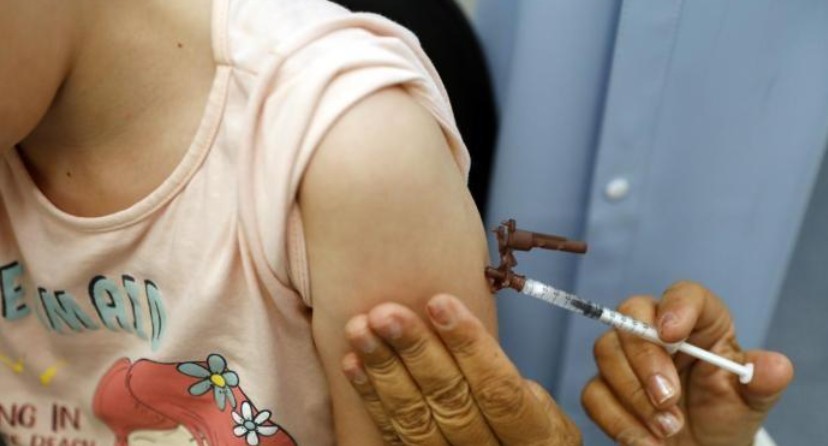
A new report by the World Health Organization (WHO) and UNICEF reveals a significant increase in childhood vaccine dropout rates, with the percentage of children who start but do not complete their vaccination schedule rising from 4% in 2024 to 12% in 2025. This trend has led to a general decline in vaccine coverage for the third dose of the diphtheria, tetanus, and pertussis (DTP) vaccine, dropping from 90% to 86%. Similarly, measles vaccination coverage has also seen a decrease. Despite these challenges, the report highlights a global improvement in initial access to vaccines, with the number of children receiving "zero dose"—meaning no vaccines at all—falling from approximately 14.2 million in 2024 to 13.5 million in 2025. Globally, DTP first-dose coverage increased from 89% to 90%, and third-dose coverage rose from 84% to 85% in 2025, with about 745,000 fewer unvaccinated children. However, 13.5 million children remain unvaccinated, and an additional 6.2 million have started but not completed their immunization schedules. The report also commends Brazil for its progress, noting the country's second-largest global increase in DTP first-dose coverage (19 percentage points) and a substantial reduction in "zero dose" children. Brazil also shows strong HPV vaccination rates among girls, reaching 86% for the final dose in 2025, one of the highest in the Americas.
The reported increase in childhood vaccine dropout rates from 4% to 12% between 2024 and 2025, despite overall improvements in initial vaccine access, signals a critical challenge in maintaining sustained public health gains. While global coverage for essential vaccines like DTP shows incremental progress, the growing number of children not completing their schedules suggests systemic issues in healthcare delivery, parental engagement, or vaccine accessibility beyond the first dose. This trend could undermine herd immunity and reintroduce preventable diseases, necessitating targeted interventions to address the root causes of incomplete immunization. The disparity between initial uptake and completion rates warrants further investigation into factors affecting long-term adherence to vaccination protocols.
AI-generated to prompt reflection — not editorial opinion, not advice, not a statement of fact. How this works.