Children of the 1960s and TV's Odyssey: Ungaretti's Poetic Voice
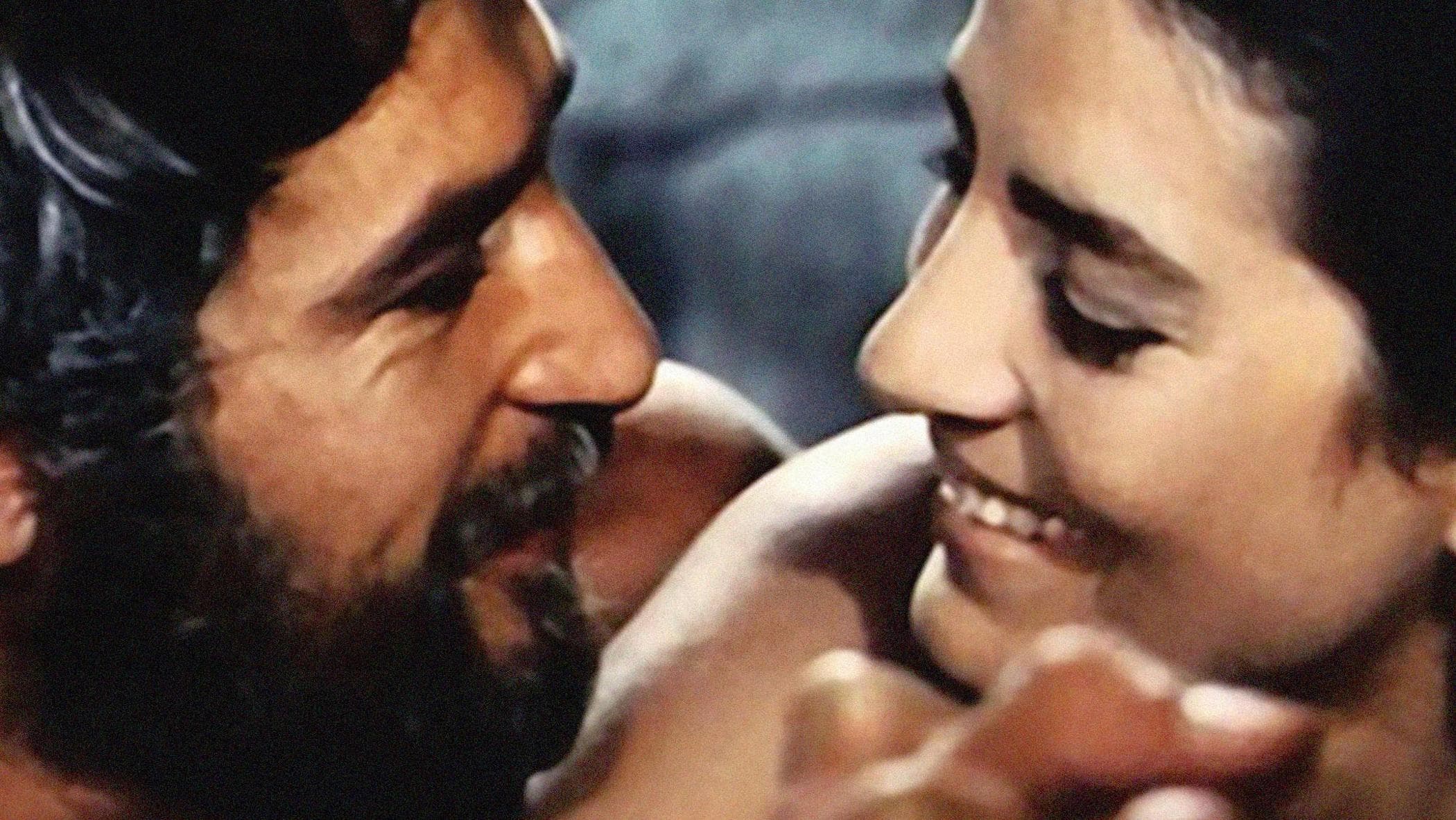
In 1968, Italian children of the 1960s were captivated by the television adaptation of Homer's "The Odyssey." The miniseries, directed by Franco Rossi, Piero Schivazappa, and Mario Bava, brought the epic tale to life with Bekim Fehmiu portraying Ulysses and Irene Papas as Penelope. However, a particularly memorable aspect for many viewers was the presence of the renowned poet Giuseppe Ungaretti. Ungaretti served as the narrator, introducing each episode with his profound insights. His segments were described as sublime lessons on the deep meaning of poetry, leaving a lasting impression on the young audience. This televised "Odyssey" thus became a significant cultural touchstone, blending classical literature with the emerging influence of television and the gravitas of a celebrated poet.
The 1968 Italian television adaptation of "The Odyssey" exemplifies how mass media can democratize access to classical literature and introduce complex artistic elements to a broad audience. The inclusion of Giuseppe Ungaretti as a poetic narrator highlights a deliberate strategy to imbue the popular entertainment with educational and cultural depth, bridging the gap between ancient epics and contemporary sensibilities. This approach underscores a potential systemic tension in media production: balancing commercial appeal with substantive artistic or educational value. By leveraging a respected poet, the production aimed to elevate the viewing experience beyond mere storytelling, fostering an appreciation for poetry and its connection to foundational narratives. This integration suggests a forward-looking understanding of media's role in cultural transmission, potentially influencing how future educational and entertainment programming might be conceived to enrich audiences rather than solely entertain.
AI-generated to prompt reflection — not editorial opinion, not advice, not a statement of fact. How this works.