Children's Football Dreams Unfulfilled Amidst Stadium Shortages
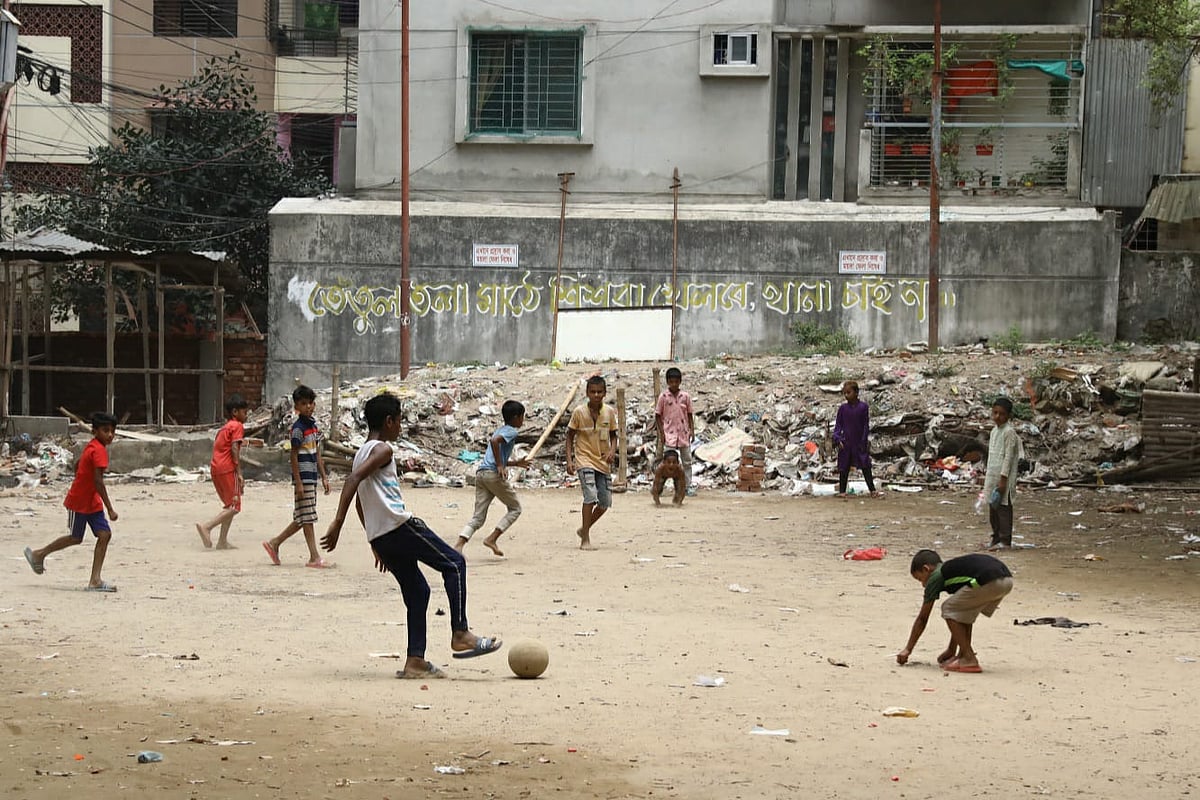
Despite the widespread excitement surrounding the World Cup football festival, a critical question arises regarding the availability of open spaces for children to play. The author highlights a concerning reality where the passion for football is prevalent, yet the fundamental infrastructure, specifically accessible fields, is lacking. This disparity raises concerns about nurturing young talent and fostering a love for the sport from an early age. Without adequate playing grounds, children's dreams of becoming footballers may be stifled before they even begin. The article implicitly calls for attention to the need for more public spaces dedicated to sports, particularly for the youth. This situation underscores a broader challenge in urban and rural planning, where recreational facilities often take a backseat to other developmental priorities. The enthusiasm for global sporting events like the World Cup should ideally translate into tangible support for grassroots development, ensuring that the next generation has the opportunity to participate and excel.
The current enthusiasm for global football events highlights a systemic disconnect between popular sporting passion and the provision of essential grassroots infrastructure. While national and international tournaments generate significant excitement, the lack of accessible playing fields for children suggests a potential failure in urban planning and public investment priorities. This deficiency could impede the development of future athletic talent and limit opportunities for physical activity among youth. Addressing this gap requires a strategic reallocation of resources towards creating and maintaining public recreational spaces, ensuring that the widespread love for sports can be effectively cultivated from a young age. Future urban development must integrate sports facilities as a core component, rather than an afterthought, to foster healthier communities and unlock latent potential.
AI-generated to prompt reflection — not editorial opinion, not advice, not a statement of fact. How this works.