Children's shelter in Cerquilho, Brazil, hosts charity feijoada after electrical fire
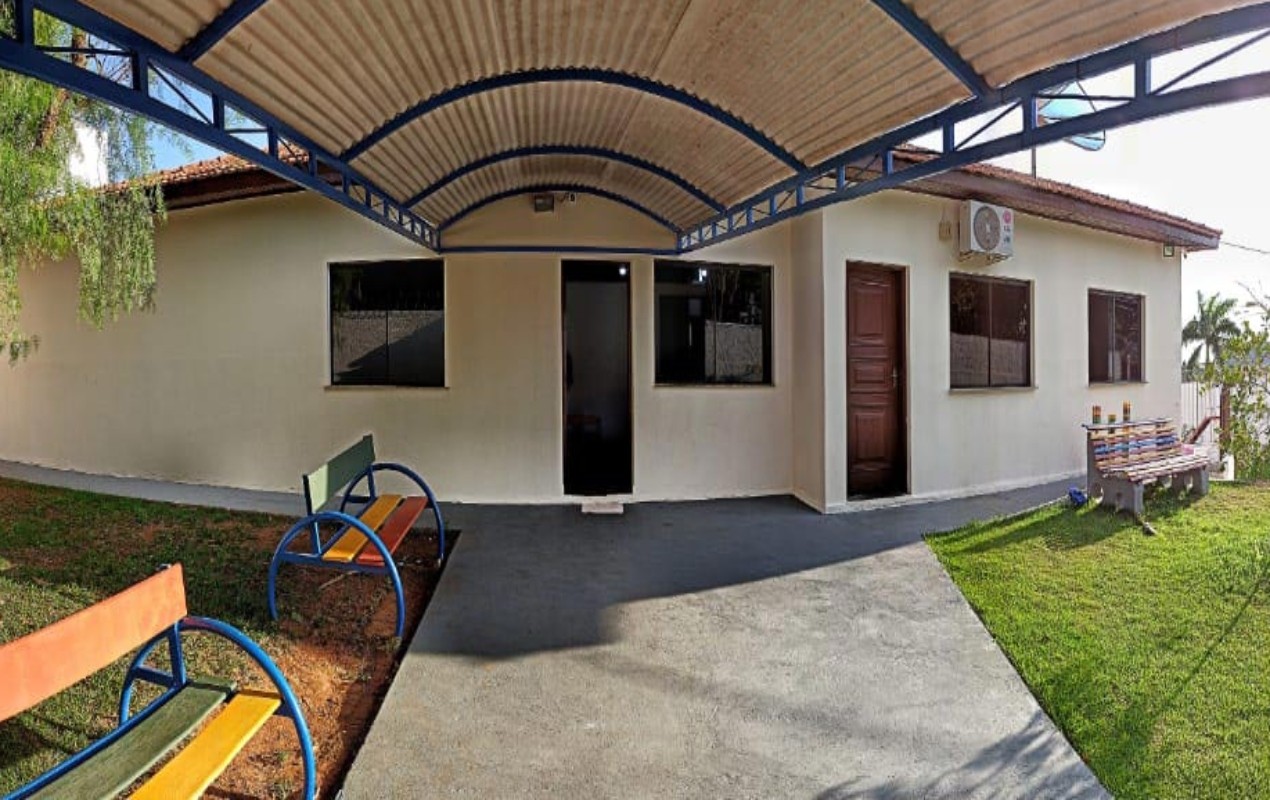
A children's shelter in Cerquilho, São Paulo, Brazil, known as Casa da Criança, is organizing a charity feijoada event to raise R$20,000. This fundraising effort is necessary after an electrical fire in a circuit breaker in June caused significant damage to the institution. The fire, which could have engulfed the entire building, was contained by an educator's quick action with a fire extinguisher.
Casa da Criança has been providing a safe environment for vulnerable children and adolescents for over 30 years. The organization operates independently and relies on volunteers and financial donations. The electrical system in the building is old and had been experiencing frequent issues, including shower malfunctions and tripped breakers. A volunteer electrician had previously advised a complete rewiring, estimated at R$20,000, but the institution lacked the funds for the preventative measure.
The recent fire made the electrical system replacement urgent. The feijoada event aims to cover these repair costs and mitigate the incident's losses. The coordinator, Rebeca Naomi, expressed gratitude for the community's support, noting that many residents have donated ingredients for the feijoada. The event, scheduled for Sunday, August 26th, will offer a meal including feijoada, rice, greens, farofa, and orange, with an optional dessert. The shelter currently houses six minors but can accommodate up to twenty.
The incident highlights the critical infrastructure needs of non-profit organizations dedicated to child welfare. The reliance on aging electrical systems, coupled with funding constraints, created a vulnerability that resulted in significant repair costs. The community's response, mobilizing through a charity event and donations, demonstrates the power of social capital in addressing immediate needs. However, it also underscores the systemic challenge of ensuring consistent, adequate funding for essential services that protect vulnerable populations. Future planning should prioritize proactive infrastructure maintenance and explore diverse, sustainable funding models to prevent such disruptions and ensure uninterrupted care.
AI-generated to prompt reflection — not editorial opinion, not advice, not a statement of fact. How this works.