Children's Viral Fame Carries Hidden Risks, Rights Advocates Warn
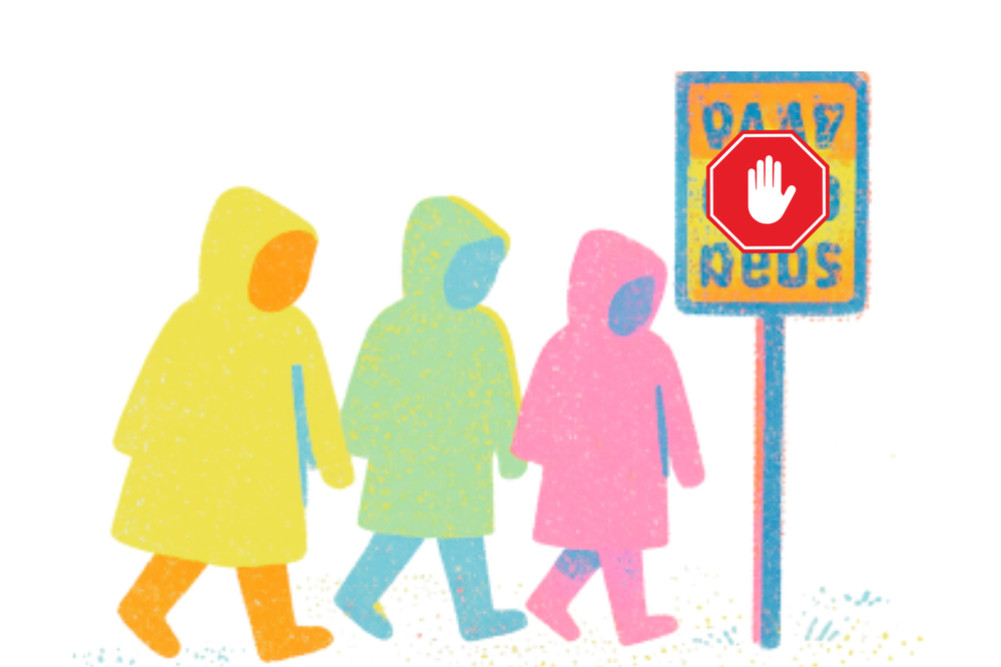
A video featuring three schoolgirls from Rolpa, Nepal, has gained significant online attention, highlighting a growing concern among rights advocates regarding the potential negative consequences for children thrust into the spotlight. While the video's viral nature may bring fleeting fame, experts are raising alarms about serious privacy violations and the risk of exploitation. They emphasize that the long-term psychological and social harm to these children could be substantial. The situation underscores a broader issue of how easily children's digital footprints can be created and shared without their full understanding or consent. Advocates are calling for greater awareness and stronger protections to safeguard minors from the unforeseen dangers of internet exposure. The incident serves as a stark reminder of the need for responsible content creation and sharing practices, particularly when children are involved. Protecting the well-being of these young individuals must be paramount as they navigate the complexities of the digital age. The focus remains on ensuring that any attention received does not come at the cost of their safety and future development.
The viral dissemination of content featuring minors, as seen in this Rolpa case, presents a complex challenge at the intersection of digital culture and child protection. While social media platforms offer avenues for connection and expression, they also create vulnerabilities for young individuals whose digital presence can be amplified without adequate safeguards. The core tension lies between the immediate gratification of online attention and the potential for enduring privacy breaches and exploitation. This situation highlights the critical need for robust digital literacy programs for both children and adults, alongside stronger regulatory frameworks governing user-generated content involving minors. Future considerations must involve developing mechanisms that empower children to control their digital identity and ensure that platforms prioritize child safety over engagement metrics, especially in an era increasingly shaped by AI-driven content distribution.
AI-generated to prompt reflection — not editorial opinion, not advice, not a statement of fact. How this works.