Children Traumatized by Venezuela Earthquakes Receive Crucial Psychological Support
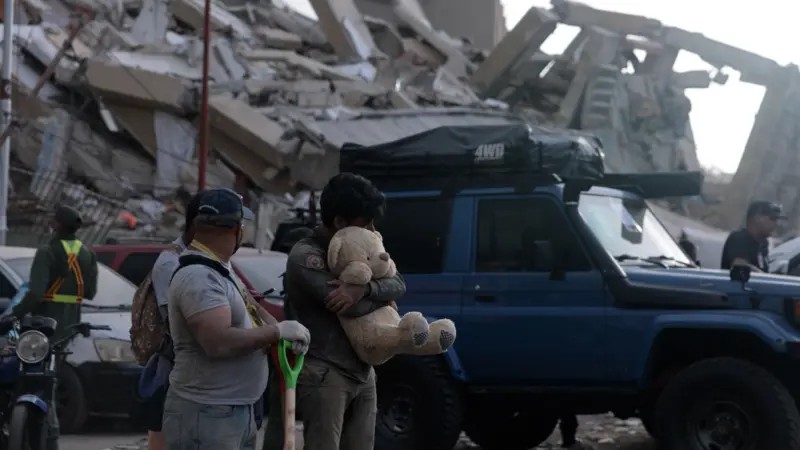
Following the devastating earthquakes that struck Venezuela on June 24th, children displaced by the tragedy are facing significant psychological trauma. In La Guaira, the United Nations is supporting a shelter for families who lost their homes, where humanitarian organizations are providing essential psychological aid to minors. Many children are grappling with profound loss and fear, with some expressing relief at still having their parents while others have witnessed the death of loved ones. One mother shared her struggle to tell her daughter about the loss of her nephews, fearing the shock would be too much for her to bear. Humanitarian efforts are underway to help these children cope, with activities like football and drawing supervised by child welfare professionals coordinated by the UN Children's Fund (Unicef). Unicef estimates that 680,000 children in Venezuela require humanitarian assistance. Psychologists from organizations like Fundainil are observing trauma in children's drawings, which often depict families and homes, sometimes triggering emotional breakdowns as they recall the traumatic events. The approach focuses on providing support and emotional coping tools rather than probing into the traumatic experiences. The UN Children's Fund emphasizes the urgent need for medical care, psychosocial support, and safe drinking water for the affected population, particularly children. The impact of the trauma is significant and long-lasting, as children are easily startled by sudden noises or movements, remaining in a state of high alert. The recovery process for Venezuela from this tragedy is expected to take months, if not years, underscoring the enduring emotional toll on its youngest citizens.
The earthquakes in Venezuela have exposed a critical vulnerability in the nation's capacity to support its most susceptible population: children. The dual impact of natural disaster and pre-existing societal challenges creates a complex trauma landscape. While immediate humanitarian aid, particularly psychosocial support, is vital, the long-term implications of this trauma, especially in a country facing protracted recovery, necessitate sustained investment in child welfare infrastructure. The event highlights systemic issues regarding disaster preparedness and mental health resource allocation, particularly for vulnerable populations. Future resilience will depend on integrating robust child protection mechanisms into national disaster response frameworks and ensuring equitable access to mental health services, addressing the generational impact of such crises.
AI-generated to prompt reflection — not editorial opinion, not advice, not a statement of fact. How this works.