Chile braces for peak of powerful El Niño in August 2026
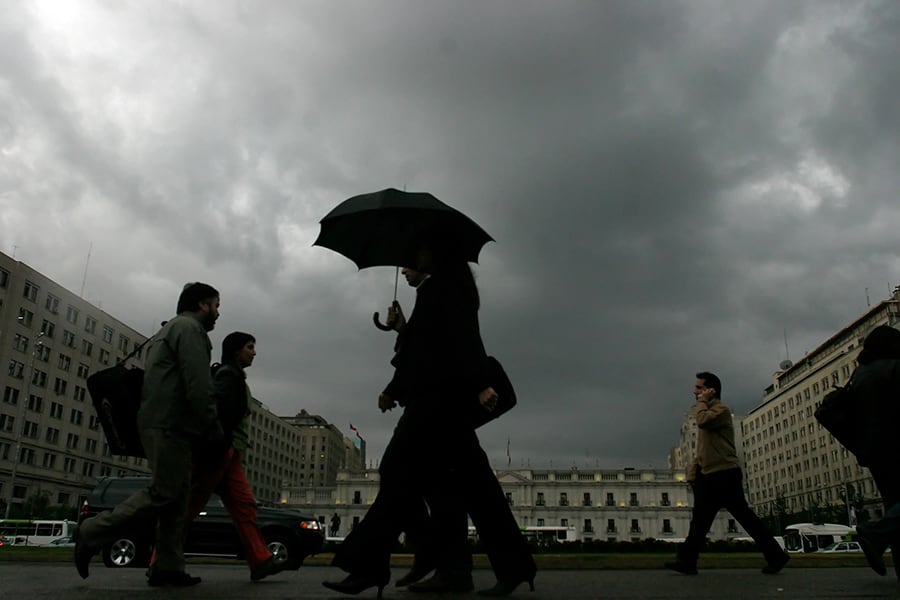
Chile is anticipating the peak intensity of the El Niño phenomenon in August 2026, a year already marked by its significant climatic impact. Since early 2026, El Niño has brought unusually heavy rainfall across the country, transforming from a thermal anomaly in the north to a widespread redefinition of precipitation patterns. This has resulted in substantial water relief, with reservoirs reaching healthy levels, but also considerable structural damage and numerous affected citizens. The phenomenon has intensified atmospheric rivers, which have consistently battered regions from Atacama to Los Ríos. Widespread flooding has occurred due to overflowing river basins and activated ravines, characterizing a harsh winter. Christian Salazar, an academic from the School of Geology at Universidad Mayor, warns that the country is approaching the climax of this event. Models indicate that August will see the phenomenon reach its maximum strength, bringing fronts with high zero isotherms. This condition increases the risk of mudslides in the pre-cordillera regions. Therefore, August is not expected to bring a retreat of El Niño but rather a period requiring maximum vigilance. The event highlights ongoing challenges in territorial planning to adequately address the impacts of a vigorous El Niño.
The intense El Niño event in Chile underscores the growing challenge of climate volatility for infrastructure and urban planning. As meteorological models predict a peak in August 2026, the nation faces a critical juncture where water abundance, driven by atmospheric rivers, coexists with significant risks of natural disasters like mudslides. This situation highlights a systemic tension between the benefits of increased water resources and the destructive potential of extreme weather events. Future resilience will depend on integrating advanced climate forecasting into robust territorial planning and infrastructure development, ensuring that the nation can adapt to, rather than merely react to, the amplified impacts of climate change amplified by phenomena like El Niño.
AI-generated to prompt reflection — not editorial opinion, not advice, not a statement of fact. How this works.