Chile Debates Lowering Criminal Responsibility Age for Adolescents
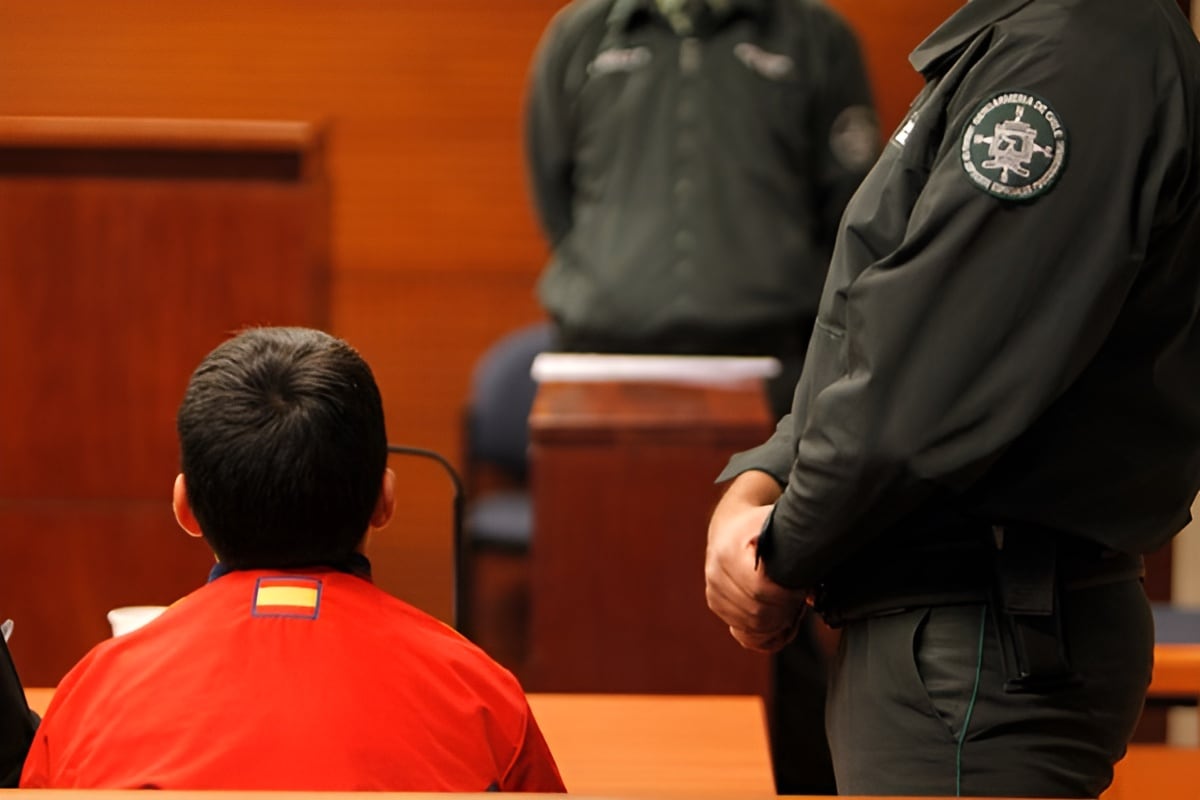
The Chilean government's proposal to lower the age of criminal responsibility from 18 to 16 years old, coupled with increased penalties for serious offenses committed by adolescents, has sparked significant debate. There is widespread agreement that the rise in crimes committed by minors, partly due to their recruitment by drug cartels for illicit activities, is a grave concern. This proposed change aligns with an international trend, as most OECD countries have reduced their minimum age of criminal responsibility to around 15 years old. However, evidence suggests that lowering the age and increasing penalties has not yielded substantial positive effects. This is often attributed to the ongoing development of the prefrontal cortex in adolescents, the brain region responsible for impulse control, consequence assessment, and moral judgment. Consequently, younger individuals may not respond to harsher penalties with the same efficacy as adults. Furthermore, this policy challenges the concept of free will in adolescents, raising questions about full accountability when moral consciousness is still developing. The severity of an act does not retroactively confer maturity upon the perpetrator. The current discussion in Chile transcends mere politics, delving into a profound philosophical and constitutional issue: how the state balances the public's demand for security with the protection of the most vulnerable, including adolescents involved in drug-related crimes.
The proposed reduction in the age of criminal responsibility in Chile reflects a societal tension between public safety demands and adolescent developmental psychology. While international trends show a move towards lower ages, empirical evidence suggests limited efficacy of punitive measures alone for this age group due to incomplete cognitive development. This policy shift necessitates a careful consideration of the state's dual role: ensuring security and safeguarding vulnerable populations. The debate highlights a fundamental challenge in balancing collective security with individual rights, particularly for minors whose capacity for full moral reasoning and impulse control is still maturing. Future policy considerations might explore restorative justice models and targeted interventions that address the root causes of adolescent offending, such as recruitment by organized crime, alongside any punitive adjustments.
AI-generated to prompt reflection — not editorial opinion, not advice, not a statement of fact. How this works.