Chile Declares National Health Alert Amid Hantavirus Outbreak
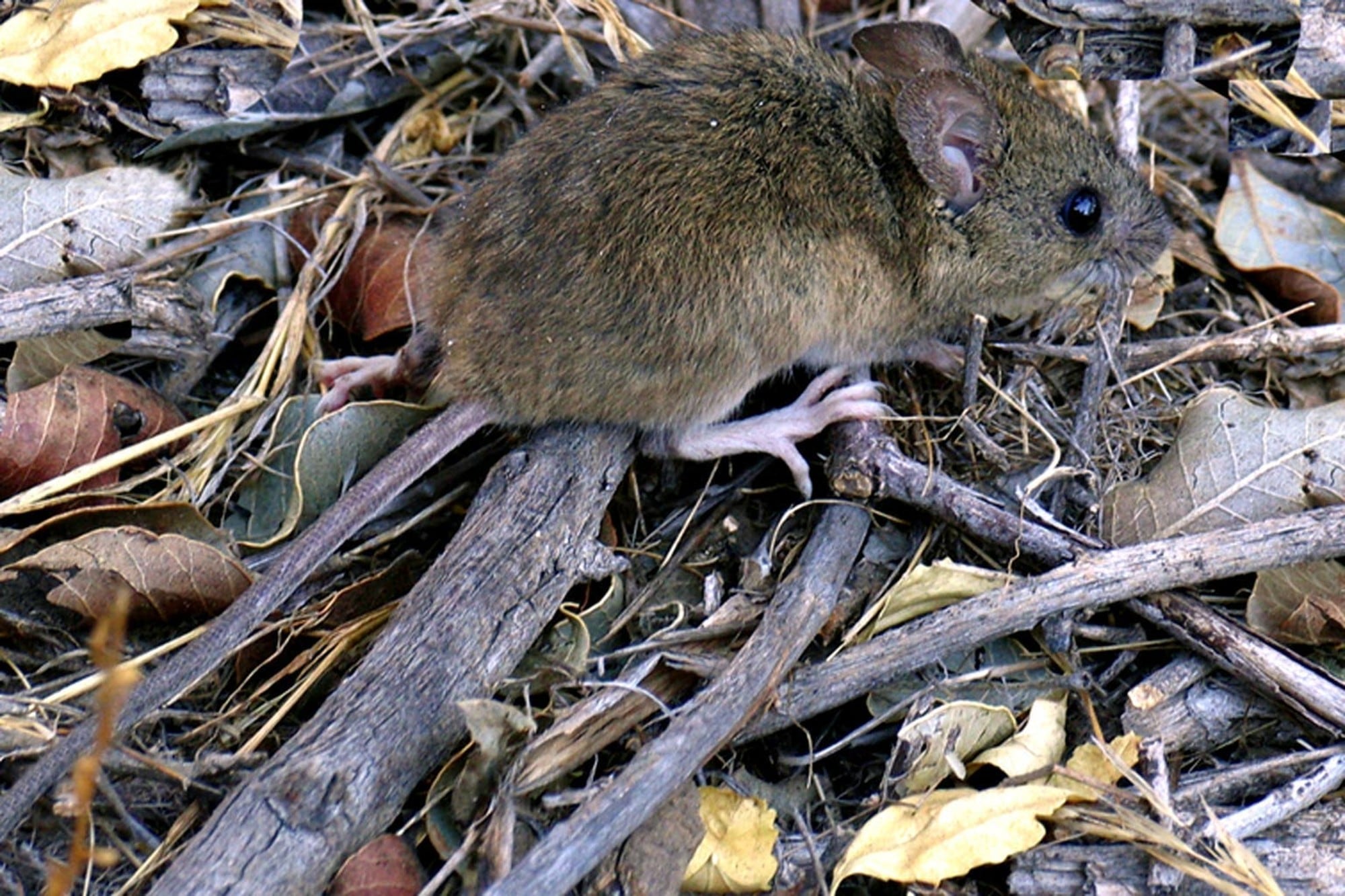
Chile's Ministry of Health has declared a nationwide health alert due to an increase in hantavirus cases. While officials clarified that this does not constitute an epidemic, the measure was implemented because of a rise in the fatality rate associated with the virus. Currently, the lethality rate stands at 39% of all reported cases. This proactive step aims to bolster surveillance, prevention, and response efforts across the country. The Ministry is urging the public to remain vigilant and follow recommended hygiene and prevention guidelines. Further details on specific regions affected and ongoing containment strategies are expected to be released. The alert signifies the government's commitment to managing public health threats effectively and ensuring the well-being of its citizens. This situation underscores the importance of robust public health infrastructure and rapid response mechanisms in the face of emerging infectious diseases.
The declaration of a national health alert in Chile due to a hantavirus outbreak, marked by a 39% fatality rate, highlights the critical need for robust public health surveillance and rapid response systems. While not classified as an epidemic, the elevated lethality rate necessitates proactive measures to mitigate further spread and mortality. This situation presents an opportunity to examine the effectiveness of Chile's public health infrastructure in managing zoonotic diseases, particularly in light of potential environmental factors influencing vector populations. Future preparedness will likely involve strengthening inter-agency coordination, enhancing public awareness campaigns, and investing in research to better understand transmission dynamics and develop targeted interventions. The government's swift action, despite the absence of an epidemic classification, demonstrates a commitment to prioritizing public safety and managing health risks proactively within the evolving landscape of infectious disease threats.
AI-generated to prompt reflection — not editorial opinion, not advice, not a statement of fact. How this works.