Chile Declares State of Catastrophe as Floods and Landslides Kill at Least 10
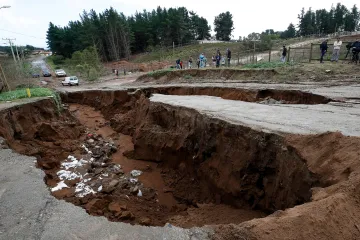
The Chilean government has declared a state of catastrophe in the Coquimbo and Huasco regions following severe floods and landslides triggered by heavy rainfall. A frontal system, amplified by the El Niño phenomenon, has impacted ten out of Chile's sixteen regions. Meteorological authorities reported that some areas in Coquimbo experienced historic rainfall, receiving nearly 20 millimeters – an amount typically seen over an entire month – with further precipitation expected. The disaster has significantly disrupted the country's infrastructure, leading to interruptions in drinking water supply, power outages, and extensive damage to numerous roads. In addition to the ten confirmed fatalities and missing persons, the floods have trapped over 99,000 people in towns and cities, with more than a thousand individuals evacuated.
The extreme weather event in Chile, exacerbated by El Niño, highlights the increasing vulnerability of infrastructure to climate-driven precipitation patterns. The government's declaration of a state of catastrophe signals the severity of the impact on public services and the need for immediate disaster response and long-term resilience planning. Future infrastructure investments will need to account for more frequent and intense weather events, integrating climate adaptation strategies to mitigate risks to water supply, power grids, and transportation networks. This situation underscores the broader challenge faced by many nations in balancing development with the escalating costs of climate change adaptation and disaster preparedness.
AI-generated to prompt reflection — not editorial opinion, not advice, not a statement of fact. How this works.