Chile Faces Atmospheric River Storm: Damage Assessed, Resilience Praised
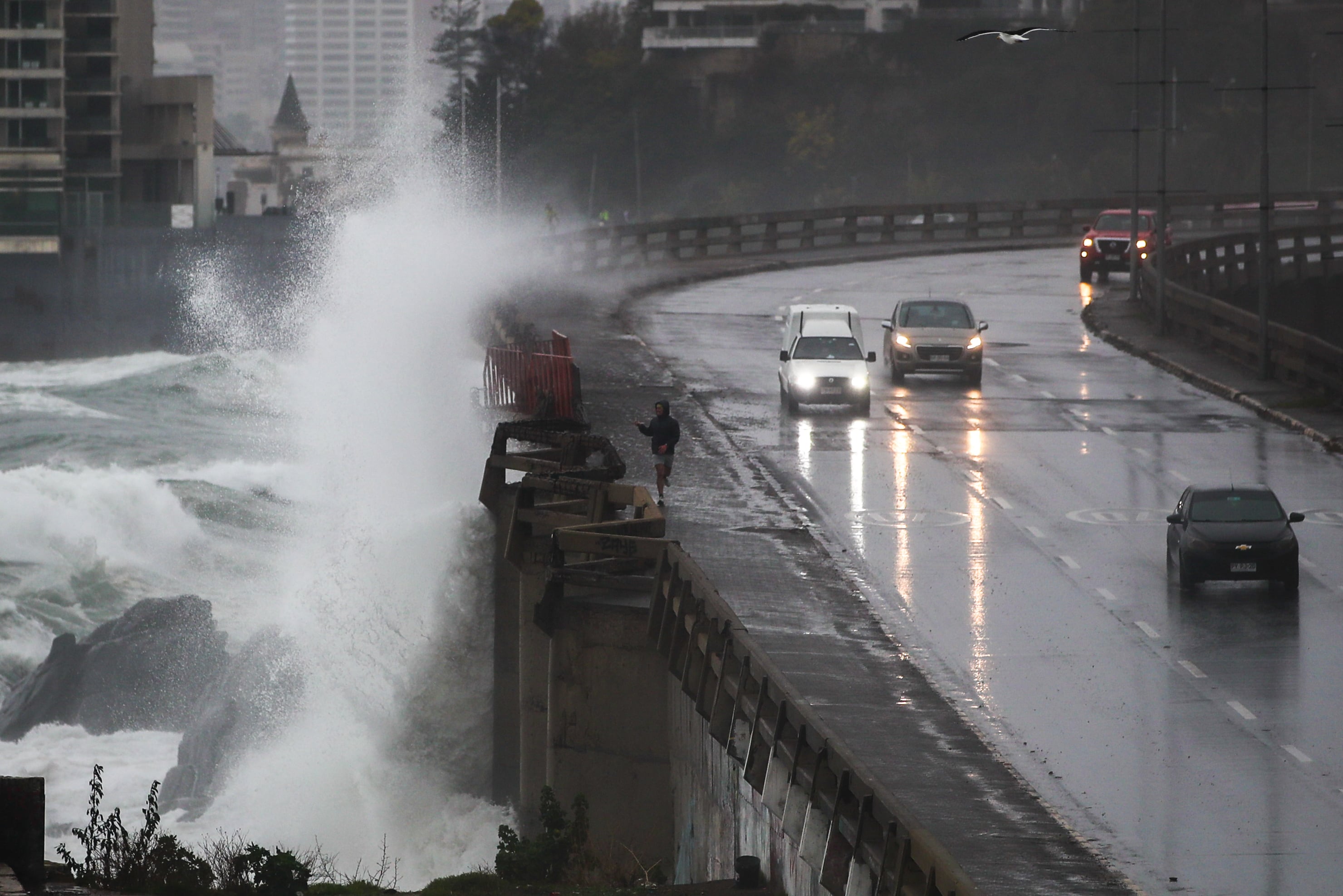
Central Chile experienced significant impacts from an atmospheric river, with residents dedicating hours to clearing debris, repairing homes, and dealing with power outages. Despite the storm's intensity, official reports from Senapred indicate four fatalities and one missing person. Additionally, 21 homes were destroyed, 544 sustained major damage, and 1,652 individuals were left displaced. The report highlights Chile's vulnerability to extreme weather events like megadroughts and atmospheric rivers, as recognized by the UN Framework Convention on Climate Change. The Metropolitan Region recorded 101.5 mm of rainfall in 48 hours, the second-highest July total since 1914. Fortunately, low temperatures kept the snow line low, preventing flash floods and ensuring the potable water supply. The article notes that green and blue infrastructure, such as the Macul ravine and floodable parks like Víctor Jara and La Hondonada, effectively managed design flow rates, protecting low-lying urban areas. In other regions, preparedness was tested, with Penco facing a "climate tsunami" of 10-meter waves and sand accumulation shortly after recovering from a major wildfire in January. High winds, reaching 75-100 km/h, severely impacted electrical distribution networks, causing numerous tree falls. The author suggests that widespread adoption of smart digital meters is needed to expedite fault detection and repair, thereby improving response times for all consumers, especially those dependent on electricity.
The event underscores Chile's heightened exposure to climate-induced extreme weather, a risk acknowledged by international bodies. While immediate responses focused on damage control and infrastructure resilience, the long-term challenge involves integrating climate adaptation into urban planning and energy grid modernization. The reliance on manual inspection for electrical grid repairs highlights a systemic inefficiency that could be addressed by technological adoption. Future preparedness will likely depend on proactive investment in both green infrastructure and advanced monitoring systems to mitigate the escalating impacts of atmospheric rivers and other climate phenomena.
AI-generated to prompt reflection — not editorial opinion, not advice, not a statement of fact. How this works.