Chile Faces Economic Downturn Amidst Political Stalemate and International Disasters
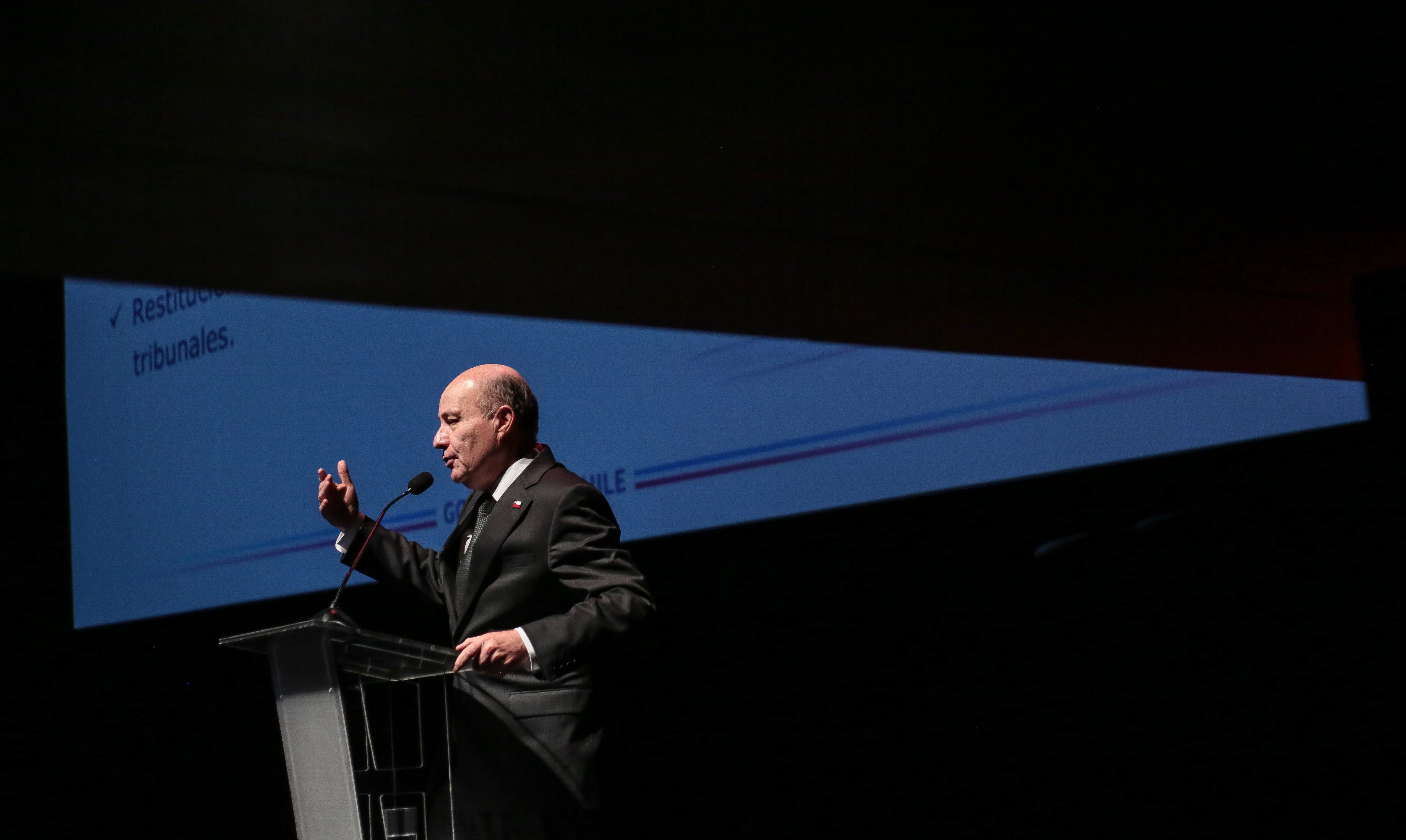
Chile's economy is showing signs of recession, with the Imacec (Monthly Economic Activity Index) falling by 0.9% in May, marking five consecutive months of negative growth. This economic downturn has intensified pressure on Finance Minister Jorge Quiroz to secure broader support for a "mega-reform" aimed at boosting investment and employment. Quiroz is engaged in negotiations with opposition parties, ranging from the Communist Party to Republicans, to gain more than the 26 votes the bill received in its general Senate vote. However, prospects for a successful agreement appear slim, as the government and Republicans have indicated no willingness to significantly alter the core of the initiative.
Political tensions within the ruling coalition have also surfaced following the rejection of a constitutional accusation against former Finance Minister Nicolás Grau. Some senators from Chile Vamos did not support the accusation, leading to recriminations among government supporters regarding loyalty and bravery. President José Antonio Kast intervened to restore order, but the debate over coalition unity persists and is expected to remain a challenge for the government. Separately, former Security Minister Trinidad Steitner faced scrutiny from the Comptroller General's Office, which found she exceeded her legal authority by requesting confidential information from the PDI regarding an ongoing investigation. This action was reportedly an unstated reason for her removal in May.
In a remarkable display of resilience, Venezuelan worker Hernán Gil was rescued after eight days trapped under rubble following a devastating double earthquake. Gil had sought refuge in a guard booth of a building in La Guaira that collapsed. Chilean rescuers from the USAR team of firefighters played a crucial role in this miraculous rescue, offering a beacon of hope amidst over 2,500 confirmed fatalities.
Chile's economic contraction, marked by five consecutive months of negative Imacec readings, presents a significant challenge to the government's legislative agenda, particularly its flagship "mega-reform." The need to negotiate with a broad spectrum of opposition parties, from the far-left to the far-right, highlights the fragmented political landscape and the difficulty in achieving consensus on economic policy. The government's limited flexibility in altering the core of its reform package suggests a potential impasse, which could further dampen investor confidence and prolong economic stagnation. Meanwhile, internal coalition dynamics, evidenced by disputes over the handling of accusations against former ministers, indicate underlying governance fragilities that could impede effective policymaking. The contrast between domestic political hurdles and the international tragedy in Venezuela, where Chilean rescue efforts were lauded, underscores the varying capacities and priorities of state actors in responding to crises.
AI-generated to prompt reflection — not editorial opinion, not advice, not a statement of fact. How this works.