Chile faces fiscal crisis in elder healthcare, proposes consumption tax savings
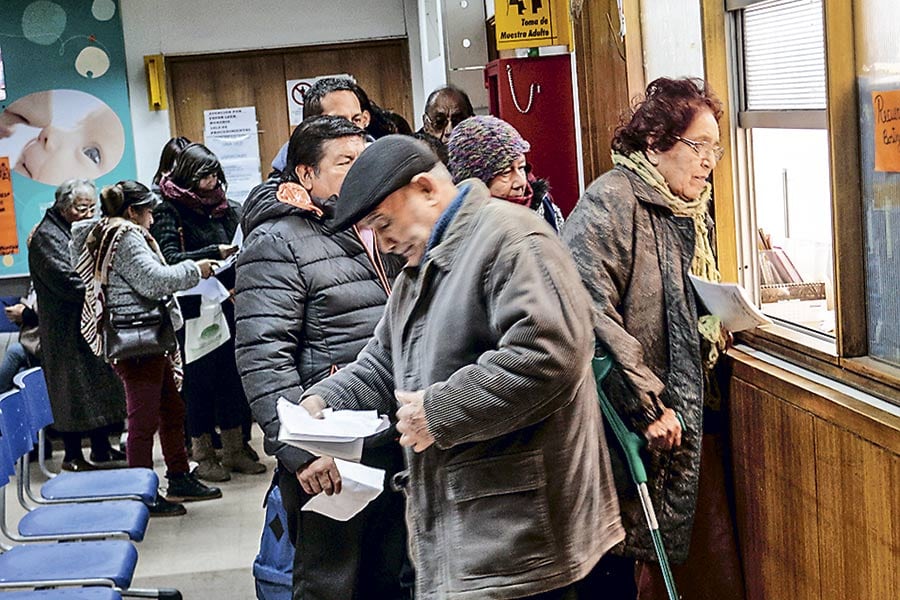
Chile is projected to face a significant fiscal challenge in funding healthcare for its aging population. Currently, four working individuals support one elderly person, but this ratio is expected to drop to two by 2050 and one by 2070. This demographic shift, coupled with the fact that elderly healthcare costs are 2.5 times higher than the average, creates a fiscal time bomb. Projections suggest public health spending related to aging could increase by three to four percentage points of GDP by 2050, a burden that would fall heavily on future generations or lead to unsustainable debt.
To address this, the proposal advocates for a shift from pay-as-you-go systems to a savings-based model for elder healthcare. This would involve mandatory individual savings accounts funded by a gradual increase in a consumption tax, similar to Value Added Tax (VAT). This approach aims to ensure intergenerational fairness by allowing each generation to pre-finance its own future healthcare needs.
Collecting the savings via consumption tax, rather than salaries, is favored because it avoids burdening the labor market and ensures broader participation, as everyone consumes. A proposed mechanism to mitigate the regressive nature of consumption taxes involves distributing a portion of the collected revenue equally among individuals over 25 and those already retired, ensuring a degree of redistribution. Accumulated funds would then finance a universal health insurance for the elderly, competitively offered by public and private sectors. While an estimated six percentage points of consumption tax might be needed, any contribution would alleviate future fiscal pressure.
The analysis highlights a critical demographic and fiscal challenge facing Chile, where an aging population will strain public healthcare systems. The proposed solution, a mandatory savings system funded by consumption taxes, aims to preemptively address future fiscal deficits and intergenerational inequity. By shifting the funding mechanism from a pay-as-you-go model to individual savings, the proposal seeks to create a more sustainable and equitable system. The use of consumption taxes, while potentially regressive, is intended to be offset by redistribution mechanisms. This approach acknowledges the growing fiscal liability associated with elder care and seeks to manage it through proactive financial planning, rather than deferring costs to future generations through debt or increased future taxation. The core tension lies in balancing fiscal sustainability and intergenerational fairness with the potential economic impacts and social acceptance of new taxation and savings mandates.
AI-generated to prompt reflection — not editorial opinion, not advice, not a statement of fact. How this works.