Chile Faces Major Infrastructure Investment Needs for Resilience
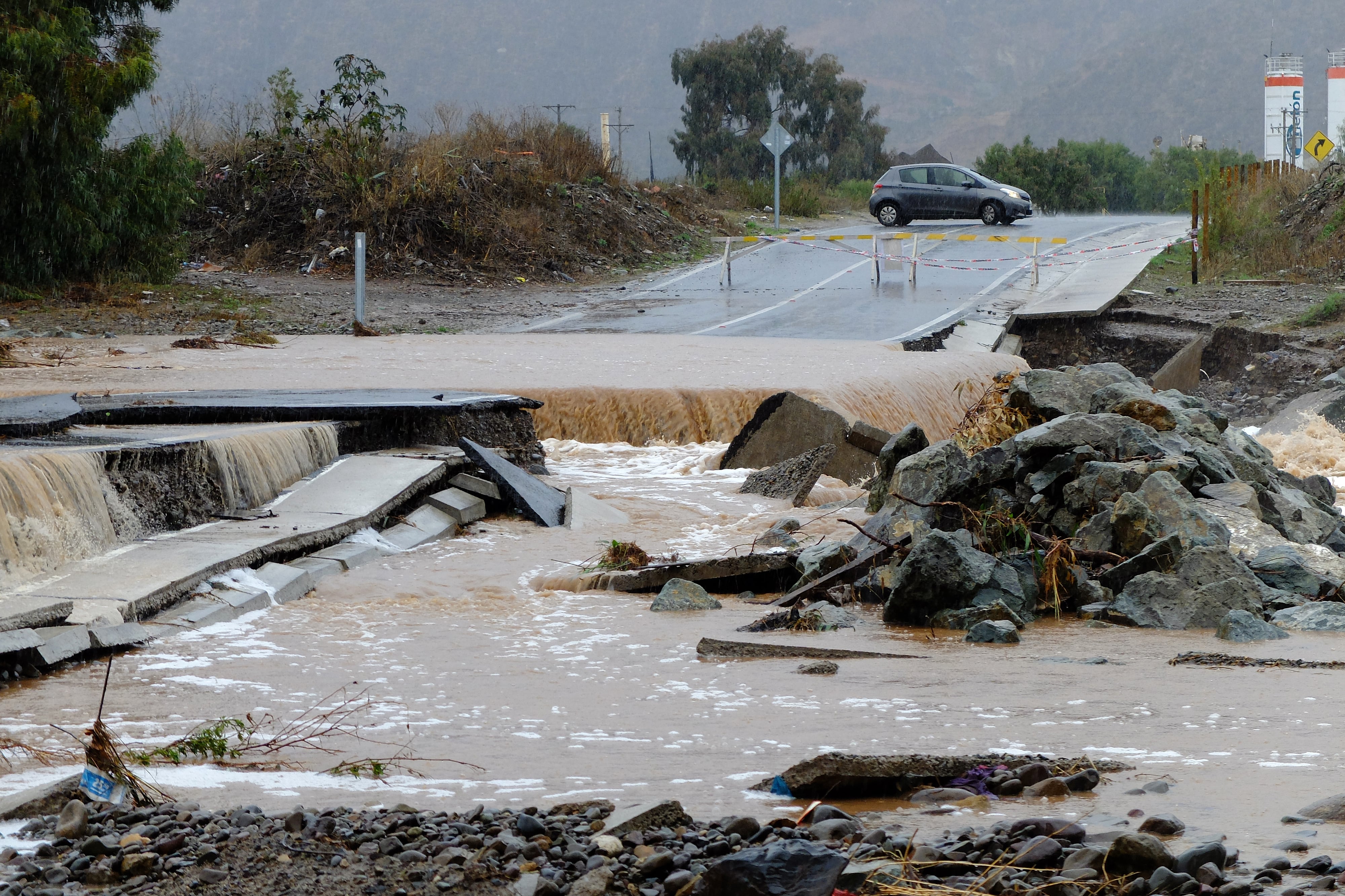
Chile faces a significant infrastructure challenge, requiring an estimated US$1.130 billion investment in resilience infrastructure over the next decade, according to the Chilean Construction Chamber's "Infrastructure for Sustainable Development (IDS) 2026-2035" report. Concurrently, the Ministry of Public Works is enhancing conservation, waterway cleaning, and maintenance efforts to prepare for the upcoming rainy season. While these measures are crucial for responding to emergencies, the core issue extends beyond reactive measures. The fundamental challenge lies in strengthening the design and evaluation of infrastructure projects to prevent extreme weather events from repeatedly overwhelming existing capacity. Project experience reveals that delays and cost overruns often stem from discrepancies between actual construction conditions and those assumed during the design phase. Increasingly intense climate phenomena, evolving regulations, and complex economic landscapes are no longer anomalies but standard variables that must be integrated into project assessments. To effectively address these issues, risks must be proactively incorporated during the design and evaluation stages, rather than solely reacting to their consequences during execution. This proactive approach is essential to move from a reactive stance to one of anticipation.
The Chilean government and construction sector are acknowledging the escalating costs associated with climate change impacts on infrastructure. The proposed investment highlights a shift towards resilience, yet the analysis suggests a systemic gap in project evaluation methodologies. Current practices appear to underestimate the volatility introduced by climate change, regulatory shifts, and economic fluctuations, leading to reactive rather than proactive risk management. Future infrastructure planning must embed dynamic risk assessment frameworks that account for non-linear environmental and economic changes. This approach could mitigate budget overruns and project delays, fostering a more robust and adaptable built environment capable of withstanding future uncertainties.
AI-generated to prompt reflection — not editorial opinion, not advice, not a statement of fact. How this works.