Chile Faces Major Storm: Classes Canceled, Emergency Plans Activated for Widespread Flooding Risk
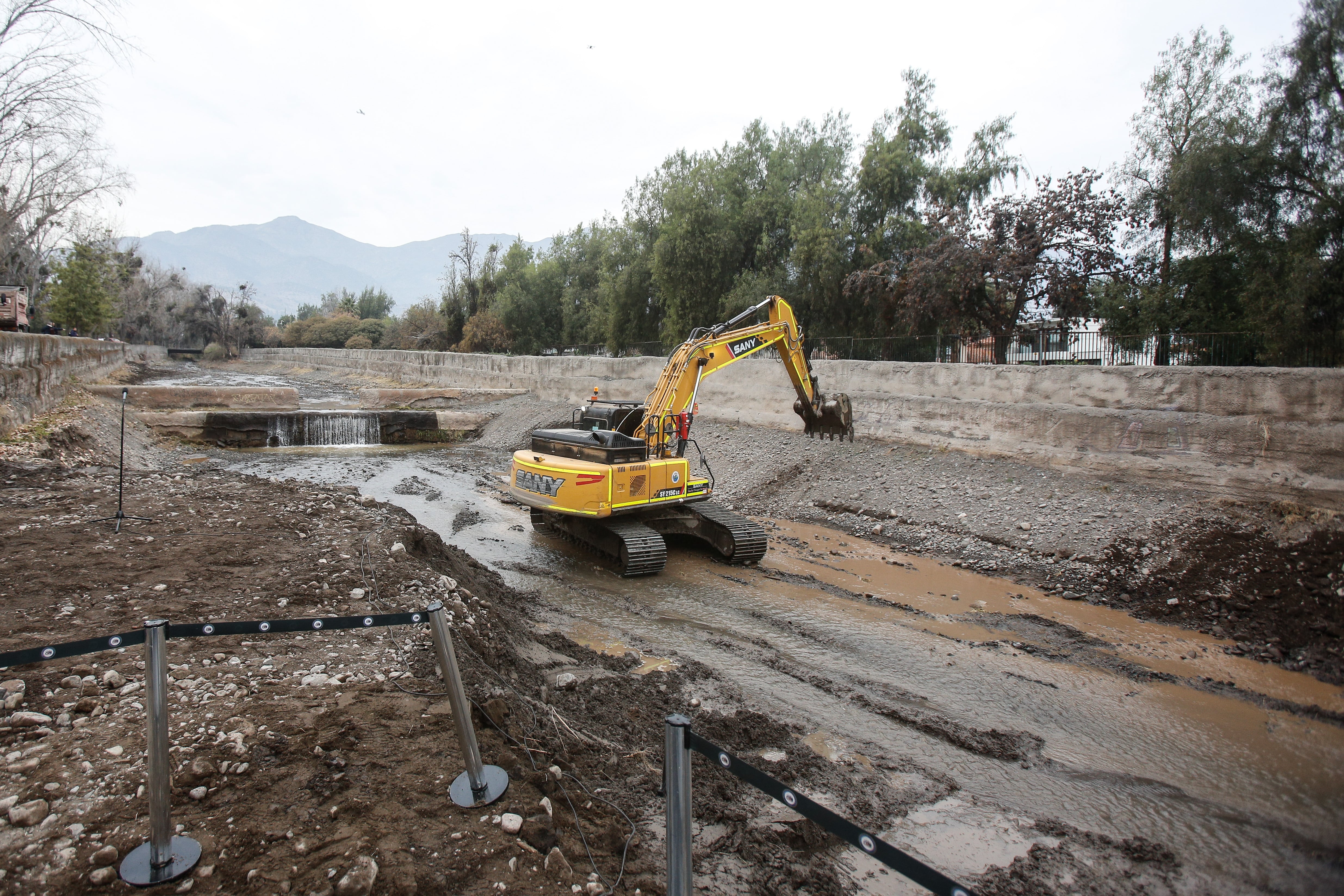
Chile is preparing for its most significant frontal system in years, prompting the government to suspend classes nationwide and deploy emergency plans. The impending rainfall across a large part of the country has led to the mobilization of machinery in critical areas and continuous monitoring. This event is anticipated to deliver more than half of Santiago's annual rainfall in a short period. Emergency plans have been activated at both governmental and communal levels to manage the potential impact of this severe weather event. The government's proactive measures aim to mitigate risks associated with the anticipated heavy downpours and their potential consequences. Preparations include ensuring essential services remain operational and coordinating response efforts across affected regions.
The government's swift activation of emergency protocols and suspension of classes reflects a strategic response to the projected extreme weather event. This approach prioritizes public safety and infrastructure resilience in the face of significant hydrological stress, particularly the risk of exceeding Santiago's average annual precipitation. Such preparedness measures are increasingly vital as climate patterns shift, necessitating robust adaptation strategies. The focus on deploying machinery and monitoring critical zones highlights a commitment to mitigating immediate impacts, while the activation of governmental and communal plans underscores a multi-layered governance response. This situation presents an opportunity to assess the long-term efficacy of Chile's disaster preparedness frameworks and their capacity to adapt to more frequent and intense weather phenomena in the coming decade.
AI-generated to prompt reflection — not editorial opinion, not advice, not a statement of fact. How this works.