Chile Faces Widespread Flooding: Call for Collaboration Over Aid
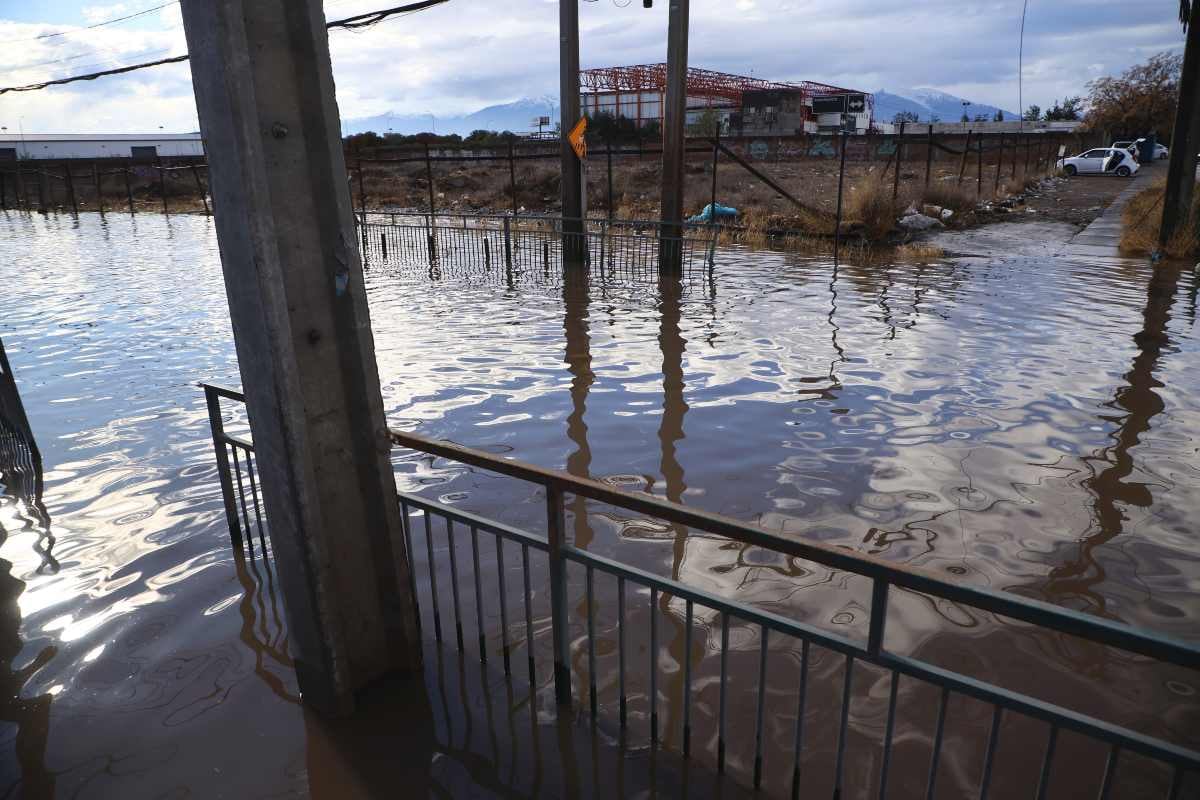
A significant weather front has impacted Chile from Los Ríos to Atacama, resulting in over 18,000 individuals displaced and requiring various forms of support. Thousands of families have lost their homes and livelihoods, and numerous children's education has been disrupted. This situation exacerbates existing vulnerabilities and directly affects employment, entrepreneurship, and education, which are considered crucial for national development. The affected communities, as demonstrated in past emergencies, are not seeking imposed solutions or temporary assistance. Instead, they desire the tools and opportunities necessary to rebuild their lives and become self-sufficient. In response to this natural disaster, there is a call for increased collaboration and a shift away from purely welfare-based assistance. This perspective comes from Nicolás Birrell, President of Desafío Levantemos Chile.
The extensive flooding in Chile, affecting numerous regions and thousands of citizens, highlights the critical need for resilient infrastructure and adaptive disaster response strategies. While immediate aid is essential, the emphasis on collaboration and empowerment over passive assistance points to a systemic understanding of recovery. Future preparedness will likely involve integrating community-led initiatives with technological solutions for early warning and resource allocation. The long-term challenge lies in fostering economic diversification in vulnerable areas to mitigate the impact of such events on livelihoods and education, ensuring that recovery efforts build lasting self-sufficiency rather than temporary relief.
AI-generated to prompt reflection — not editorial opinion, not advice, not a statement of fact. How this works.