Chile Issues Hantavirus Alert: Everyday Activities Pose Highest Risk
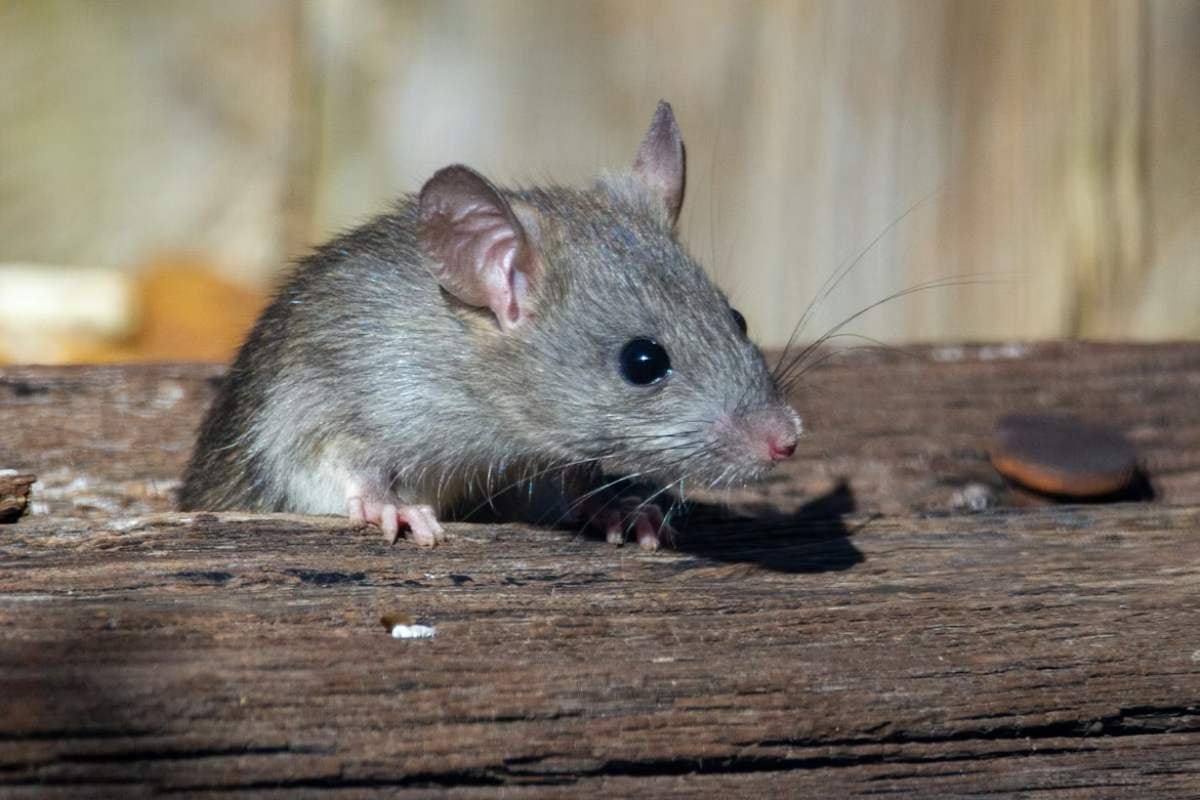
Chile's Ministry of Health (Minsal) has issued an unprecedented sanitary alert for hantavirus, urging the public to be aware of the risks associated with everyday activities. The alert highlights common tasks that carry a significant chance of contagion, emphasizing the need for preventative measures. Symptoms of the disease are also detailed to help individuals recognize potential infections early. This proactive measure by the Minsal aims to curb the spread of hantavirus by educating the population on how to identify and avoid exposure. The ministry is providing key information on prevention strategies to mitigate the impact of the disease. The focus is on practical advice for daily life, ensuring citizens can protect themselves and their families. The alert underscores that vigilance is crucial, even when the rodent carrier is not directly seen. Further details on the specific activities and symptoms are expected to be disseminated through public health channels.
The Minsal's issuance of a hantavirus sanitary alert, emphasizing everyday activities as high-risk, signals a shift towards proactive public health communication. This approach acknowledges that contagion pathways are not always obvious and requires public awareness beyond direct rodent encounters. The alert's focus on prevention and symptom recognition aims to empower individuals, fostering a sense of shared responsibility in disease control. By highlighting routine tasks, the ministry addresses potential blind spots in public understanding, encouraging a more comprehensive approach to health security. This strategy aligns with a broader trend of public health initiatives leveraging accessible information to mitigate risks in an increasingly interconnected world, preparing for potential future outbreaks by reinforcing foundational public health principles.
AI-generated to prompt reflection — not editorial opinion, not advice, not a statement of fact. How this works.