Chile Must Integrate Climate Resilience into Infrastructure Planning
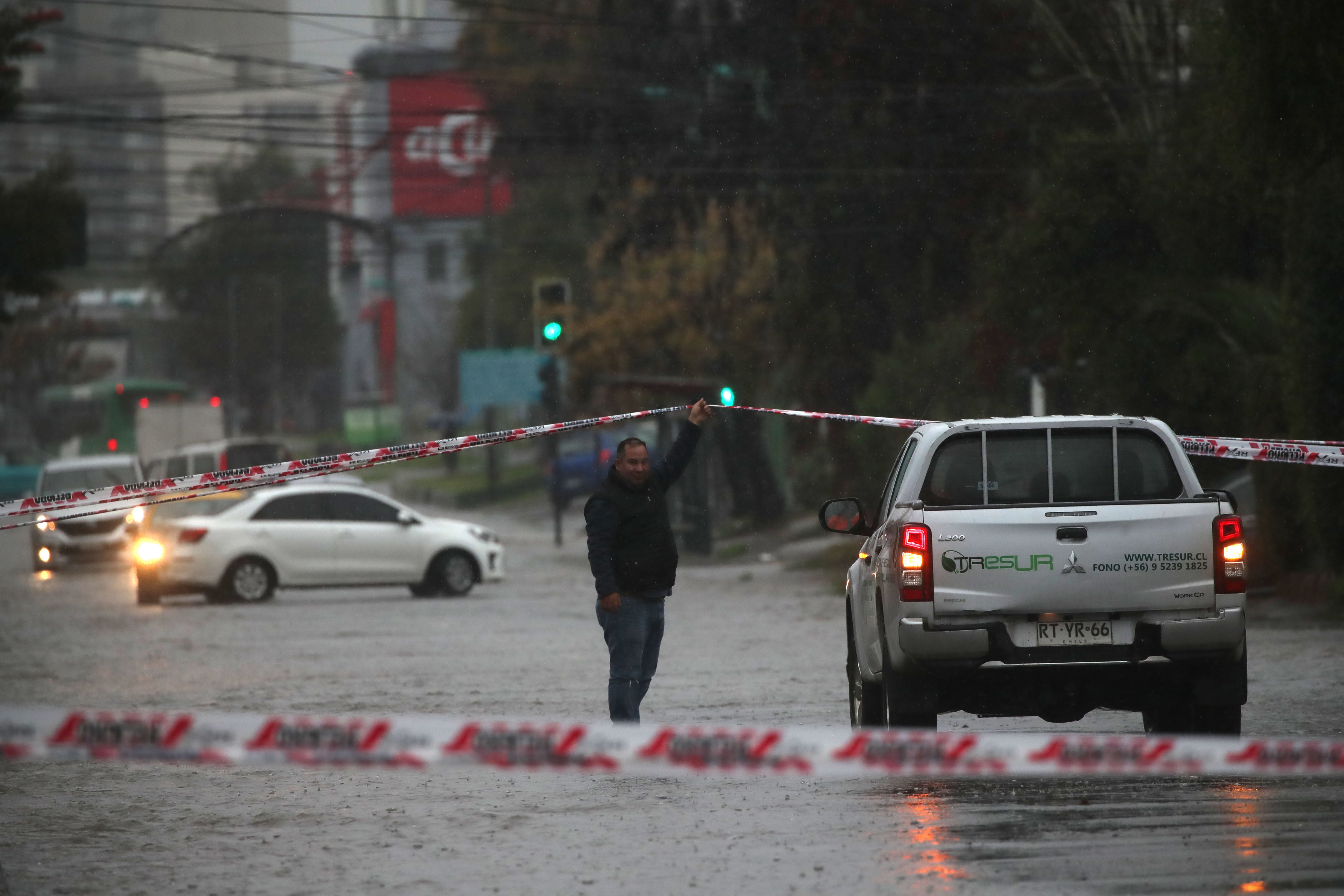
Recurring disruptions like blocked roads, damaged bridges, and flooded cities, once considered exceptional, are now a predictable consequence of climate change. Scientific evidence confirms that extreme rainfall events are becoming more frequent and intense, necessitating a fundamental reevaluation of how infrastructure is designed, assessed, and managed. Chile, with its high vulnerability to natural hazards and escalating climate change impacts, faces this challenge acutely. While earthquakes and volcanic eruptions often dominate public perception of risk, extreme rainfall causes persistent damage to roads, bridges, hydraulic works, and drainage systems, thereby impacting connectivity, economic activity, and overall quality of life.
The failure of infrastructure, such as an unusable bridge or an impassable road, extends beyond immediate repair costs. It disrupts supply chains, increases transportation expenses, hinders access to essential services, and results in economic losses that frequently dwarf the initial cost of the damaged infrastructure. To address this, a shift from reactive management, focused on post-emergency reconstruction, to a proactive strategy is crucial. This strategy should identify vulnerable points in existing networks and prioritize investments that mitigate risks and ensure service continuity.
However, the challenge is not solely about constructing more robust structures. It also involves revising public investment evaluation methodologies. Much of Chile's current infrastructure was designed using methods that prioritize travel times, operational costs, and road safety, but inadequately account for the benefits of enhanced resilience against extreme events. Consequently, preventive investments may appear less profitable than they truly are because the costs associated with connectivity disruptions and essential service interruptions are not properly valued. Explicitly incorporating resilience into the social evaluation of projects would lead to a more effective allocation of public resources; the World Bank reported in 2019 that every dollar invested in resilience saves an average of US$4 in losses. This resilience imperative also demands a broader understanding of infrastructure as interconnected networks, not isolated components, essential for maintaining connections between people, economic activities, and vital services, a perspective that should extend to utilities like electricity, potable water, and telecommunications. Countries like the Netherlands and Singapore offer models for integrating infrastructure, technology, and urban planning to manage intense rainfall and coexist with water, demonstrating the need for comprehensive, long-term adaptation strategies. Chile possesses the technical capacity to pursue this direction, but the critical step is embedding resilience as a permanent criterion in all phases of infrastructure planning, design, evaluation, and management. Investing in resilience is not about building more expensive structures; it is about making better investment decisions to safeguard citizens, ensure service continuity, and bolster national competitiveness in a changed climate, where resilience is now an indispensable condition for development.
The article highlights a critical systemic vulnerability in Chile's infrastructure, driven by the escalating impacts of climate change. The current approach, characterized by reactive repairs and investment evaluations that undervalue resilience, creates a cycle of recurring damage and economic loss. This suggests a need to reform public investment frameworks to explicitly incorporate the costs of disruption and the benefits of preventative resilience measures, aligning with global best practices that demonstrate significant returns on such investments. The challenge lies in shifting from a short-term, cost-focused perspective to a long-term, risk-management paradigm, recognizing that resilient infrastructure is foundational for sustained economic activity and public well-being in the face of inevitable climate shifts. Future planning must integrate infrastructure networks holistically, considering interdependencies across sectors like transportation, energy, and water, to build adaptive capacity and ensure national competitiveness.
AI-generated to prompt reflection — not editorial opinion, not advice, not a statement of fact. How this works.