Chile Needs Resilient Cities to Withstand Extreme Weather Events
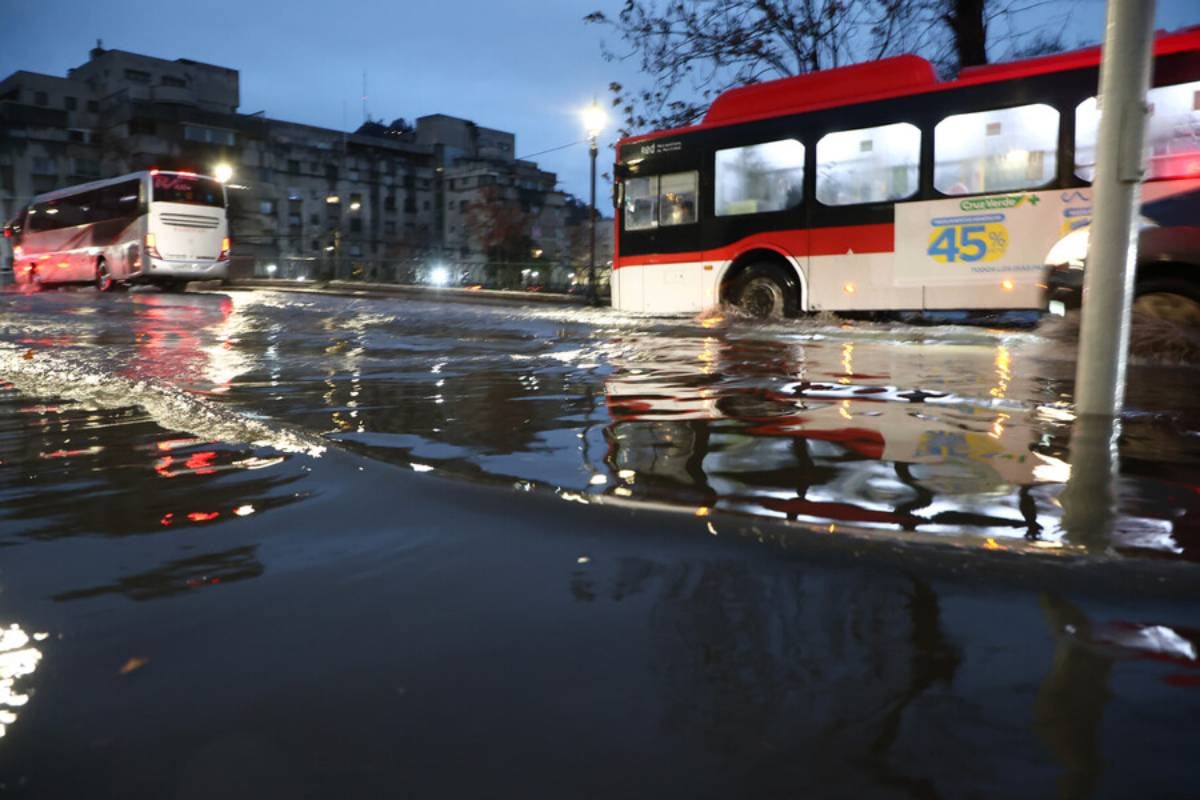
A recent system front that impacted Chile between the Atacama and La Araucanía regions resulted in human losses, damaged homes, isolated communities, and service disruptions, underscoring that extreme climate events are no longer exceptional. The author argues that resilience must be established before emergencies occur, through state-led territorial planning, protection of critical infrastructure, and proactive risk reduction investments. This includes constructing flood control works, river defenses, urban drainage systems, redundant electrical and telecommunications networks, and safeguarding roads, bridges, and potable water systems. These are not merely emergency projects but essential infrastructure for daily life and economic continuity.
Institutions like the Council of Infrastructure Policies (CPI) have noted that resilient infrastructure planning remains fragmented and lacks long-term vision. The World Bank estimates that an annual investment equivalent to 1% of GDP could significantly reduce the costs associated with future disasters. The challenge extends beyond engineering and territorial planning; urban growth that disregards natural features like ravines, riverbeds, or floodplains transforms natural risks into vulnerabilities created by human decisions. Consequently, resilience should be treated not as an extraordinary expense but as a state policy integrating climate risk into planning, project evaluation, and public investment.
The recurring impact of extreme weather events in Chile highlights a systemic challenge in urban planning and infrastructure investment. While the source correctly identifies the need for proactive resilience measures, the analysis should focus on the governance and economic incentives that perpetuate vulnerability. The fragmentation of planning and the perception of resilience as an 'extraordinary expense' suggest a disconnect between short-term budgetary cycles and long-term risk management needs. Future-proofing infrastructure requires a shift towards integrating climate risk assessment into all public and private development decisions, potentially through updated building codes, land-use regulations, and financial mechanisms that account for climate-related liabilities. This approach moves beyond reactive disaster relief towards sustainable urban development, ensuring economic and social continuity in the face of inevitable climate shifts.
AI-generated to prompt reflection — not editorial opinion, not advice, not a statement of fact. How this works.