Chile Proposes Concession Model to Tackle Housing Shortage
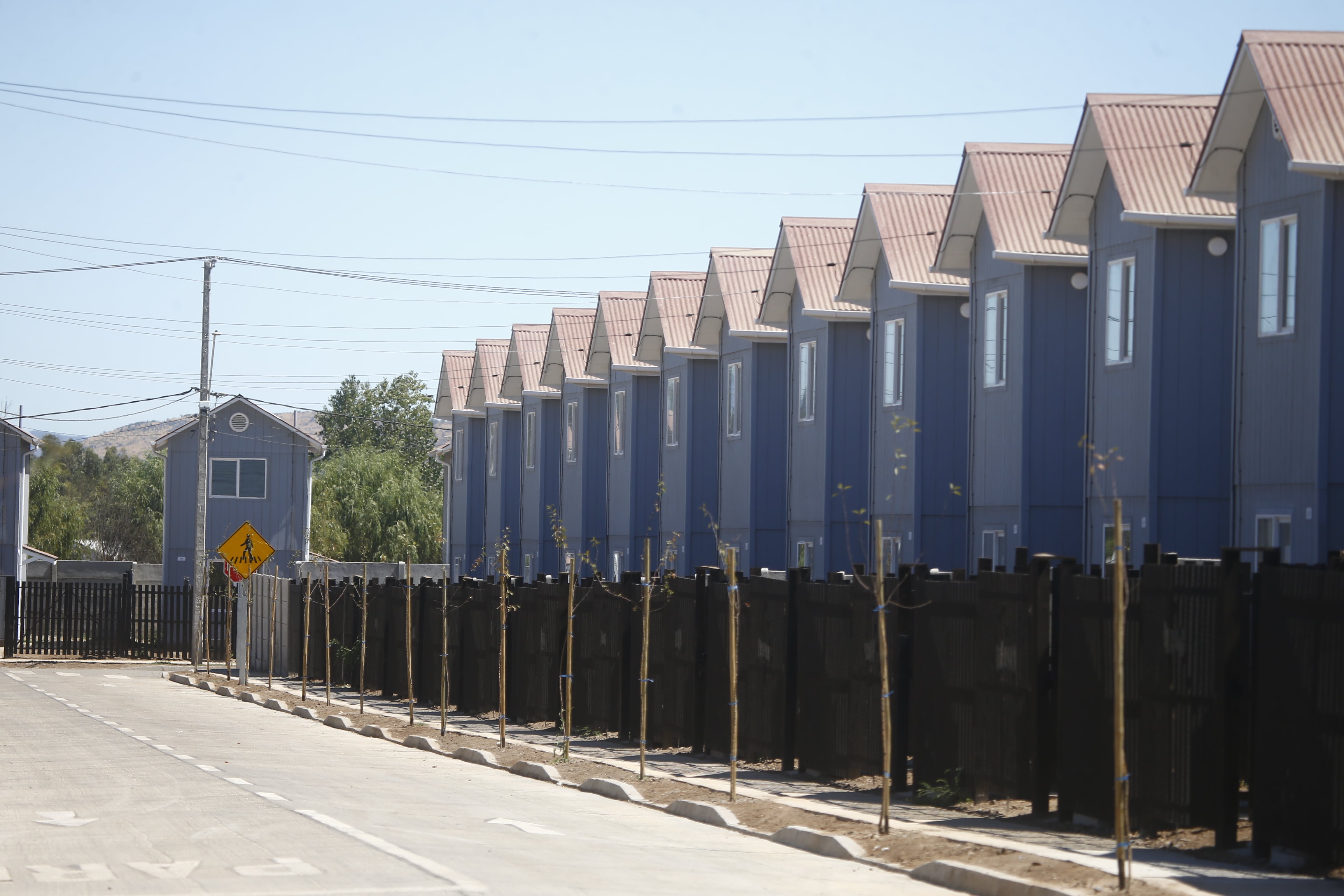
Chile faces a significant social challenge in providing adequate housing for hundreds of thousands of families, with issues like informal settlements and evictions highlighting the scale of the problem. The Ministry of Housing reports a quantitative deficit of approximately 492,000 homes, with over 1.2 million households needing improvements and more than 70,000 families living in informal camps. While the Emergency Housing Plan has made some progress, a more ambitious solution is required, aiming for 100,000 new homes annually and 500,000 solutions between 2026 and 2030.
The proposed solution adapts the successful infrastructure concession model to social housing. Under this plan, the state would provide land and urban development, while private companies would handle design, financing, construction, management, and maintenance for twenty years. Families would acquire homes through rent-to-own contracts, with ownership transferring upon completion of payments. These projects would prioritize industrialized apartments and houses, incorporating essential amenities like green spaces, security, digital connectivity, transportation, and ongoing professional maintenance.
A crucial element involves the state guaranteeing rental payments to concessionaires, thereby mitigating financial risk and attracting institutional investors. This guarantee would allow the state to recover copayments from families. The estimated annual investment for 100,000 homes is around US$6.5 billion, with private sector contributions potentially reaching US$5.2 billion. The state's fiscal contribution would focus on land, urban development, necessary subsidies, and guarantees. The proposal also suggests linking housing finance to the pension system, allowing formal workers to allocate a portion of their contributions towards a retirement home, transforming savings into a long-term asset. This initiative is projected to generate at least 350,000 direct and indirect jobs, boost industrial construction, increase labor formalization, and strengthen family assets, contributing significantly to economic growth.
Chile's proposal to address its housing deficit by adapting the concession model, previously used for infrastructure, shifts the perspective on housing from a social expense to a multifaceted investment. By leveraging private sector capital and management expertise, the state aims to overcome financial and administrative limitations. This approach could accelerate construction and improve housing quality through long-term maintenance commitments. However, the success hinges on the state's ability to effectively guarantee payments and manage the complex contractual framework. Furthermore, integrating pension contributions into housing finance introduces a novel mechanism that could enhance retirement security but requires careful consideration of long-term fiscal implications and individual financial planning. This model presents a potential pathway to stimulate economic activity and formalize labor, while also addressing a critical social need, though the long-term sustainability and equitable distribution of benefits warrant ongoing scrutiny.
AI-generated to prompt reflection — not editorial opinion, not advice, not a statement of fact. How this works.