Chile proposes school admission reform, sparking debate on merit vs. equity
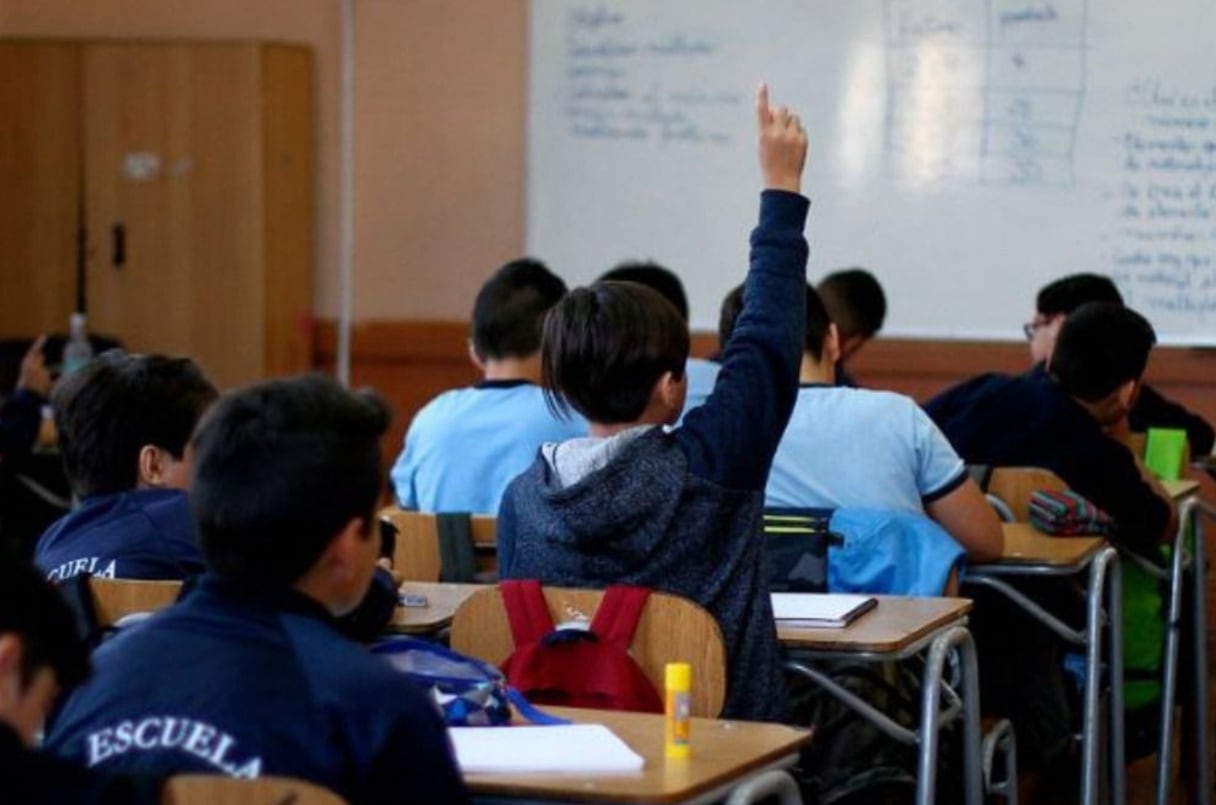
Chilean President José Antonio Kast's government has submitted a bill to Congress aimed at reforming the School Admission System (SAE), which has largely used a lottery system to assign students to public and subsidized schools for the past decade. The proposed reform introduces two parallel pathways: 'Mutual Election,' allowing high-demand institutions to select students based on criteria like academic performance, interviews, or proximity, and 'Random Assignment,' which will continue for institutions not adopting the new mechanism. The SAE has been perceived as unfair by many families, but the reform raises questions about whose merit is truly being recognized. The article argues that academic achievement often reflects parental resources, prior schooling, and a supportive home environment, suggesting that using cultural capital as a selection criterion rewards opportunity rather than individual effort. Evidence suggests that early selection mechanisms can exacerbate segregation between schools, a risk the government seems to acknowledge by reserving spots for priority students and those with special educational needs, and by making 'Mutual Election' voluntary for schools. However, a system solely based on chance is also deemed unjust, as it overlooks the diverse educational needs and preferences of families. The complaint that 'the algorithm decides for me' highlights the distress families experience when siblings are separated due to uncontrollable variables. The reform faces the significant challenge of ensuring that 'merit' does not become a euphemism for pre-existing advantages, necessitating careful scrutiny of vague criteria, oversight to prevent socioeconomic filtering through 'adherence to the educational project,' and protection of safeguards for priority students during legislative processing. The analysis is attributed to Maritza Escobar M., an academic at the Faculty of Education, Universidad Central.
Chile's proposed reform to its school admission system attempts to balance the demand for selective educational environments with the principle of equitable access. The core tension lies in defining and measuring 'merit' within an educational context, where socioeconomic background significantly influences student outcomes. The reform's 'Mutual Election' pathway risks reintroducing or amplifying segregation if not rigorously monitored, potentially undermining the SAE's original intent to democratize access. Future iterations of such systems will need to incorporate robust, transparent, and verifiable criteria that genuinely reward effort and potential, while actively mitigating the influence of inherited advantage. The challenge for policymakers is to design mechanisms that foster diverse educational projects without creating a de facto tiered system that entrenches existing inequalities, particularly in the context of increasing societal stratification.
AI-generated to prompt reflection — not editorial opinion, not advice, not a statement of fact. How this works.