Chile Pursues Proactive Trade Strategy Amid Global Shifts
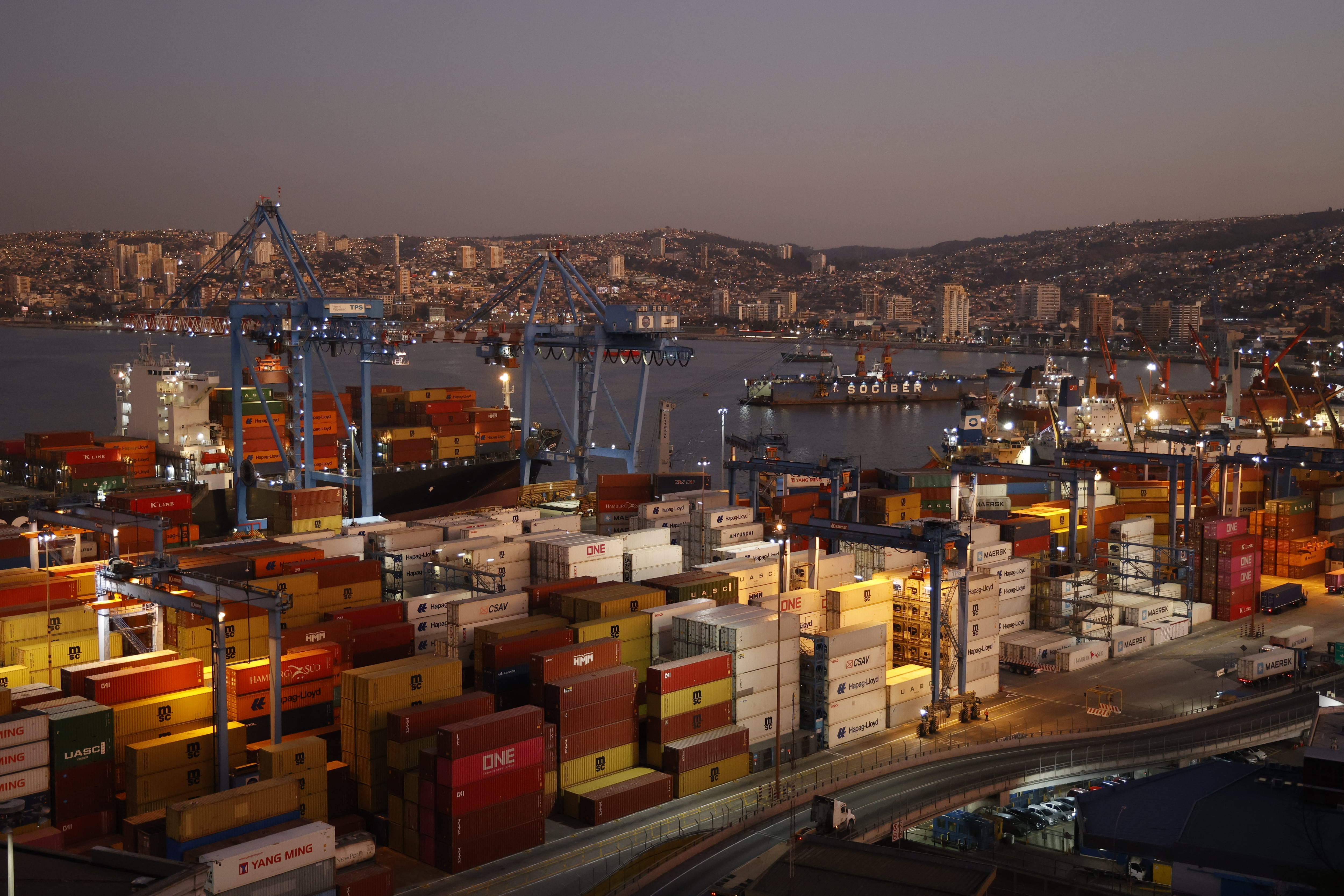
Chile is actively reconfiguring its global trade strategy to navigate evolving international economic architectures. The nation aims to move beyond a passive or reactive role, embracing a proactive stance to secure its economic future. A key component of this strategy involves diversifying export destinations and products, primarily through new trade agreements. Recent progress includes concluding negotiations for a Comprehensive Economic Partnership Agreement (CEPA) with the Philippines, a nation of over 110 million people. Furthermore, Chile has initiated talks for Free Trade Agreements (FTAs) with Bangladesh, home to over 170 million inhabitants, and Morocco, a gateway to Africa. Negotiations are also underway for a CEPA with India, a market of more than 1.45 billion people. These initiatives aim to create ideal conditions for Chilean exporters to access massive consumer bases. Beyond establishing new agreements, Chile recognizes the importance of actively implementing and modernizing existing trade pacts. This applies to partners such as ASEAN nations, the European Union, inland regions of China, the CP-TPP bloc, and South Korea. The existing FTA with South Korea, for instance, urgently requires modernization, underscoring the significance of the current visit by its President to Chile. This proactive approach enhances Chile's economic security and resilience, providing a buffer against external challenges. One such challenge is the new 12.5% tariff imposed by the United States, Chile's second-largest trading partner, affecting approximately 40% of national exports. While this tariff is part of a broader U.S. strategy, Chile is prepared to negotiate pragmatically to maintain the competitiveness of its exports in the American market, where certain sectors now face disadvantages compared to rival economies. The affected Chilean products are noted for their high quality and their complementary role in supporting local U.S. producers and industries. Chile, as an open economy integrated into the global system, must address foreign trade challenges through multiple, parallel strategies.
Chile's strategic pivot towards proactive trade diversification reflects a pragmatic response to the increasing complexity and potential fragmentation of global commerce. By pursuing a multi-pronged approach encompassing new agreements and the modernization of existing ones, Chile seeks to mitigate risks associated with over-reliance on single markets and to enhance its economic resilience. The nation's efforts to secure favorable terms with large, emerging economies like India and Bangladesh, alongside strengthening ties with established partners, illustrate a sophisticated understanding of evolving geopolitical and economic landscapes. The challenge posed by U.S. tariffs highlights the inherent vulnerabilities of export-dependent economies and the ongoing need for agile diplomacy and competitive positioning in international markets. This strategy, while aimed at immediate economic security, also positions Chile to adapt to future trade paradigms shaped by technological advancements and shifting global supply chains.
AI-generated to prompt reflection — not editorial opinion, not advice, not a statement of fact. How this works.