Chile's Brief Federal Experiment: Electing Its First President in 1826
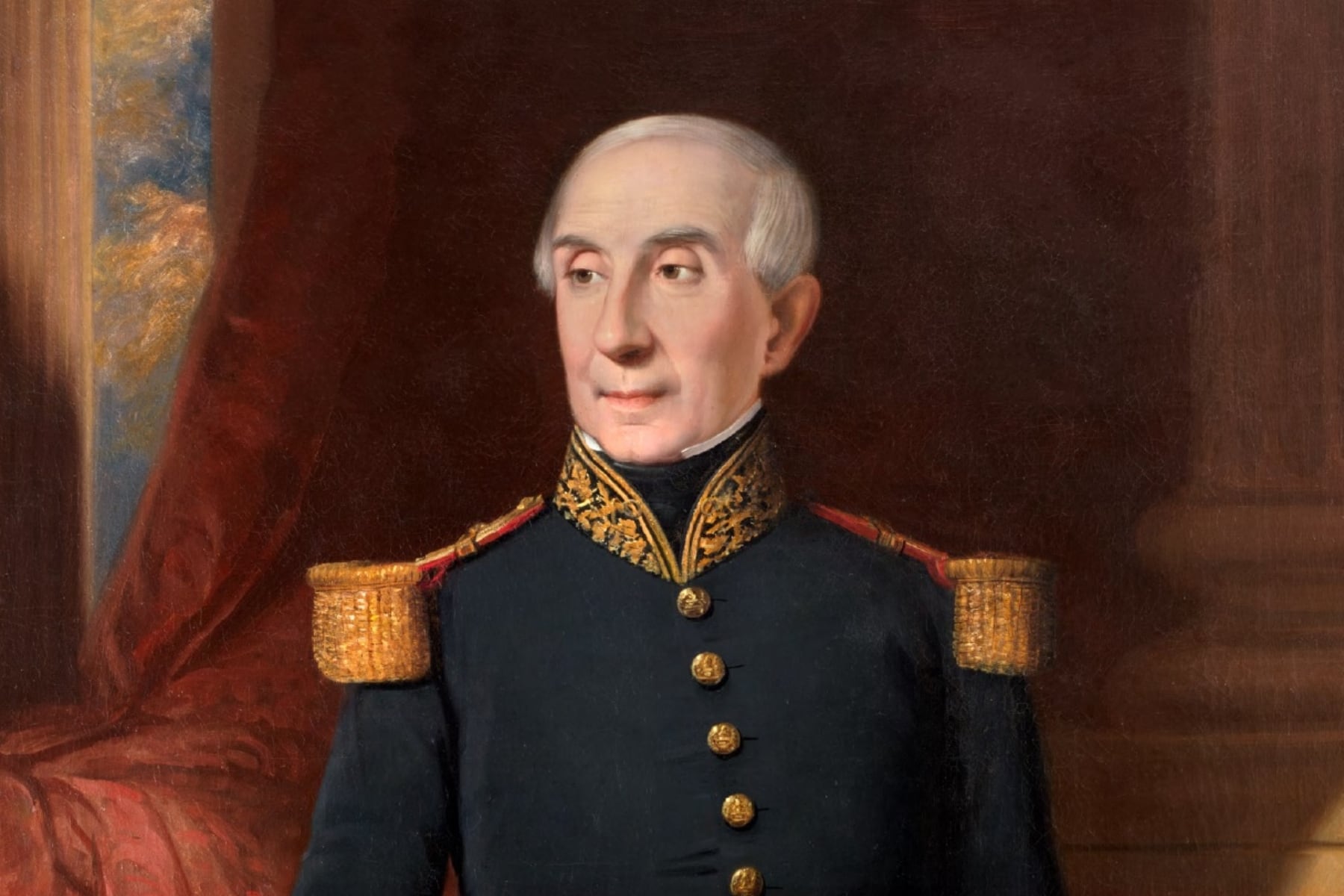
Exactly 200 years ago, amidst post-independence constitutional experiments, Chile briefly adopted a federal system. On July 8, 1826, the Constituent Congress elected Vice Admiral Manuel Blanco Encalada as Chile's first president, marking the beginning of a short-lived federalist endeavor. This period saw Chile exploring a unique form of federalism, distinct from the U.S. model, with specific promoters and challenges. Historians and contemporary documents shed light on the reasons behind this failed experiment. The article delves into the key factors that contributed to its downfall and the specific circumstances that led to Blanco Encalada's resignation after only three months in office. The exploration of federalism was part of Chile's broader efforts to establish a stable constitutional framework following its independence.
The 1826 federalist experiment in Chile represents a critical juncture in the nation's early constitutional development, highlighting the challenges of establishing a stable governance structure post-independence. The brief tenure of the first president, Manuel Blanco Encalada, and the ultimate failure of this system underscore the complexities of balancing central authority with regional autonomy in a nascent republic. Examining the motivations of its proponents, the operational difficulties encountered, and the reasons for its abandonment offers valuable insights into the historical trade-offs considered by Chilean leaders. Understanding this period through the lens of comparative constitutionalism and the evolution of state-building provides a framework for analyzing similar governance experiments and their long-term implications for national cohesion and administrative efficiency in the face of evolving societal and political landscapes.
AI-generated to prompt reflection — not editorial opinion, not advice, not a statement of fact. How this works.