Chile's Copper Boom: A Historic Opportunity for Growth and Innovation
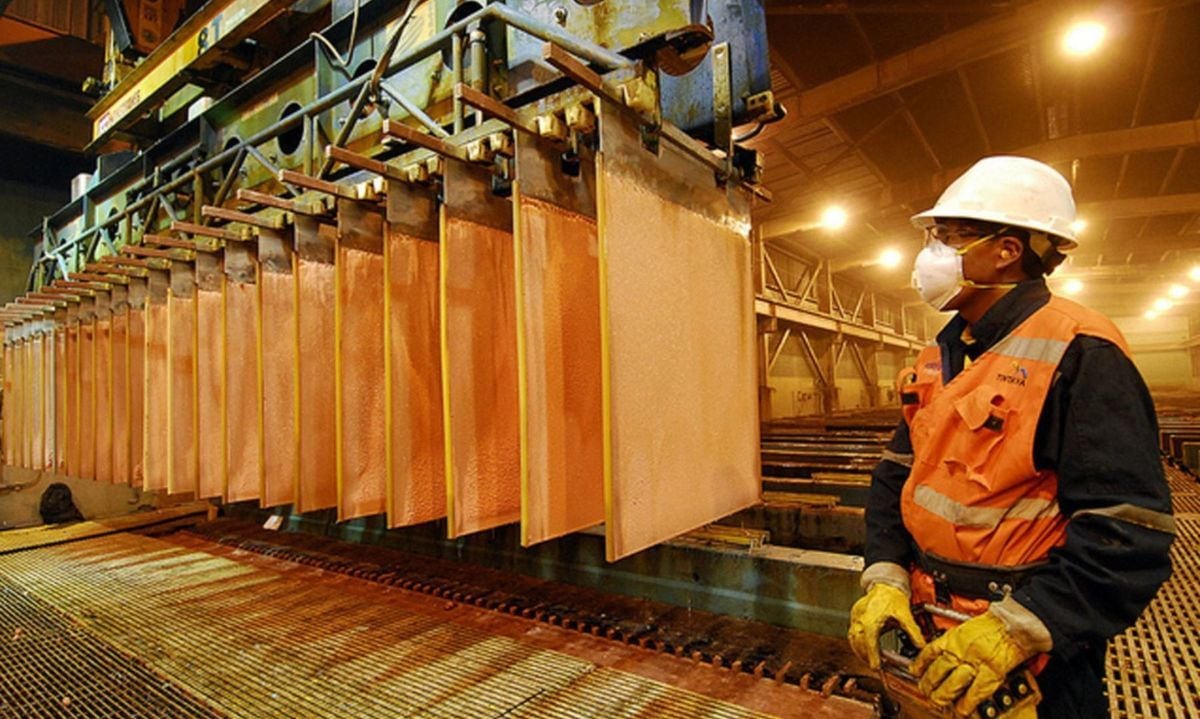
Copper is experiencing its best period in decades, driven by high prices and structural demand from the energy transition, expanding power grids, electromobility, data centers, and artificial intelligence. Simultaneously, global supply faces increasing challenges due to lower ore grades, stricter environmental regulations, and lengthy permitting processes, solidifying copper's strategic importance. For Chile, the world's leading producer with the largest reserves, this presents a historic opportunity to not only recover production to nearly six million tons annually but also to translate this advantage into greater national growth, innovation, and well-being.
Chilean mining now operates under significantly different conditions than twenty years ago, with more complex deposits, lower ore grades, and rising costs. Future leadership will depend less on production volume and more on enhancing productivity, adopting innovation, and maintaining high standards in safety, sustainability, and community relations. This necessitates accelerating new technology adoption, strengthening human capital, improving energy and water efficiency, and advancing digitalization and AI. Public policies must also evolve to facilitate investment and provide project certainty through agile, predictable, and technically sound evaluation processes, without compromising environmental or social standards.
The sector's performance evaluation needs to broaden beyond mere tonnage to include knowledge generation, productivity improvements, environmental footprint reduction, and contributions to economic and social development. Furthermore, mining can foster a world-class ecosystem of suppliers for goods, services, and technologies, as demonstrated by countries like Australia and Canada. Chilean mining suppliers have seen export growth from $762 million in 2017 to $1.217 billion in 2023, with 45% in medium-to-high technology goods. However, only 8% of registered suppliers currently export, indicating vast untapped potential for a "second mining" industry focused on knowledge and specialized services. This favorable window is temporary, and Chile's long-term leadership will be defined by its ability to convert natural wealth into productivity, innovation, new exports, and better jobs, building a development platform based on knowledge and value-added services.
The current global demand surge for copper, fueled by energy transition and technological advancements, presents a significant economic opportunity for major producers like Chile. However, the article highlights a critical juncture where traditional production-focused metrics may prove insufficient. Future success will likely hinge on Chile's capacity to foster innovation, enhance productivity through technological adoption, and develop a robust ecosystem of specialized service and technology providers. This requires a strategic shift from simply extracting resources to creating higher value-added exports, such as engineering and specialized services, mirroring successful models from other resource-rich nations. The challenge lies in balancing the need for agile regulatory processes to attract investment with maintaining stringent environmental and social standards, ensuring sustainable development rather than short-term gains. The long-term competitiveness of Chile's mining sector will depend on its ability to adapt to evolving global economic structures and technological imperatives, transforming its natural resource wealth into diversified, knowledge-based economic strength.
AI-generated to prompt reflection — not editorial opinion, not advice, not a statement of fact. How this works.
