Chile's Economy Not Sick, But Stuck in a "Swamp," Says Expert
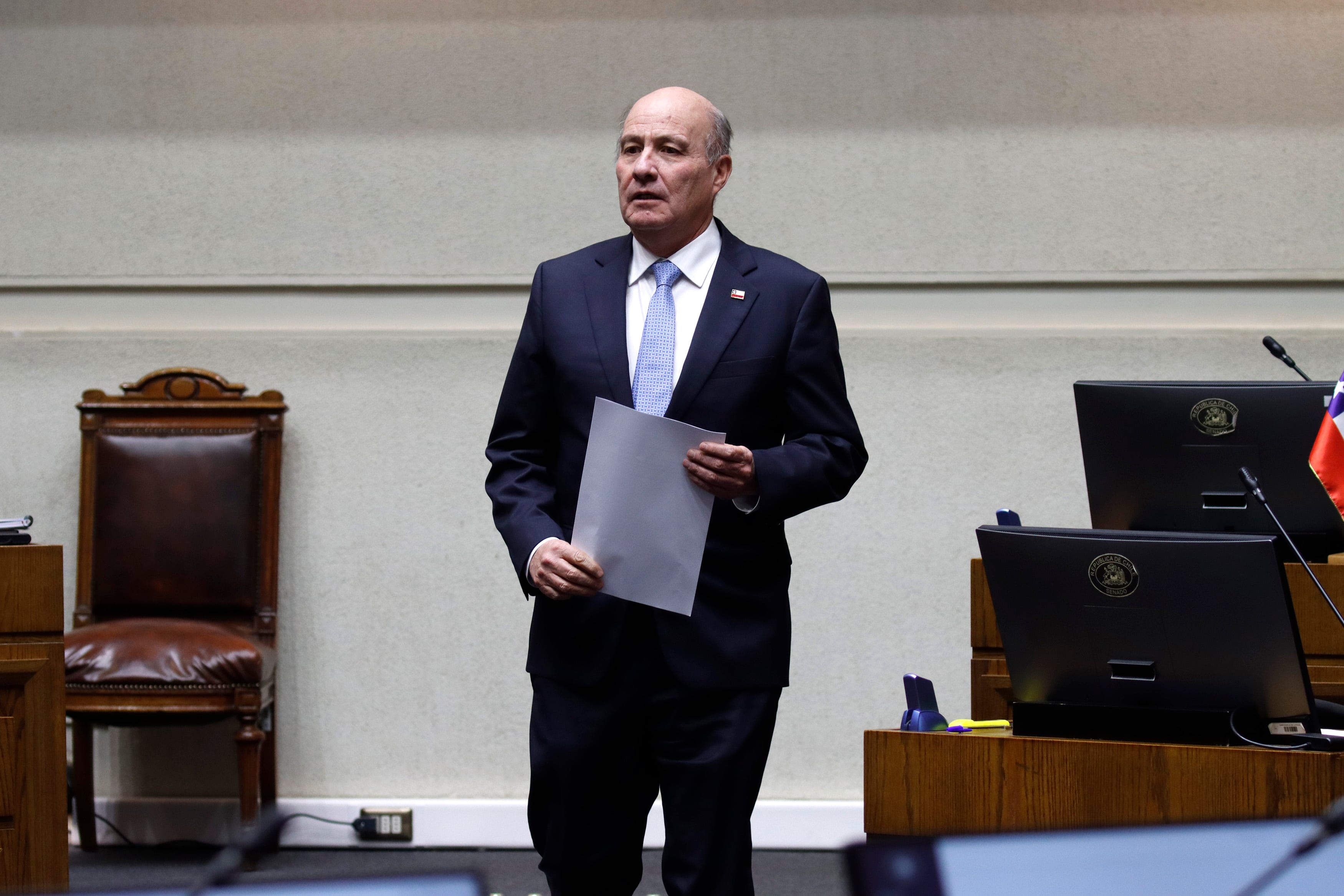
Hernán Cheyre, from the Center for Business and Society Research (CIES) at the Universidad del Desarrollo, argues that Chile's economy is not "sick" as suggested by President Kast, but rather "stuck in a swamp." This stagnation, evident in five consecutive months of negative economic activity index variations in May, stems from persistent uncertainty, regulatory hurdles, bureaucratic delays for new investment projects, and labor rigidities that increase hiring costs. Excluding mining, the country's economic figures show virtual stagnation, failing to even meet the existing low trend growth of around 2% annually. Cheyre differentiates this from a "sick" economy, which would be characterized by significant macroeconomic imbalances, high inflation, institutional failures, and a weak rule of law, none of which currently plague Chile. While public finances have issues, corrective measures are reportedly underway. To escape this stagnation, Cheyre proposes the government's Reconstruction and Development project, currently in the Senate, as the necessary "tractor." This project aims to provide tax relief for businesses, tax certainty for investments, streamlined permitting processes, and support for formal employment. He emphasizes the need for political negotiation to strengthen the bill and technical adjustments for greater effectiveness, with an initial focus on boosting construction and infrastructure to create jobs. Cheyre concludes that framing the economy as "sick" is inaccurate and detrimental to attracting investment and capital.
The assertion that Chile's economy is "stuck in a swamp" rather than "sick" frames the current challenges as solvable through specific policy interventions rather than requiring fundamental systemic healing. This perspective suggests that the core economic structures remain sound, but are being hampered by operational friction and uncertainty. The proposed "Reconstruction and Development" project, focusing on tax relief, regulatory streamlining, and infrastructure investment, aims to unlock growth by addressing these perceived impediments. This approach prioritizes stimulating private sector activity through incentives and reduced friction, aligning with a growth-oriented economic philosophy. The analysis implicitly highlights a trade-off between immediate stimulus and the potential for deeper, structural reforms, and raises questions about the long-term efficacy of such measures in achieving sustainable, higher growth rates in an evolving global economic landscape.
AI-generated to prompt reflection — not editorial opinion, not advice, not a statement of fact. How this works.